
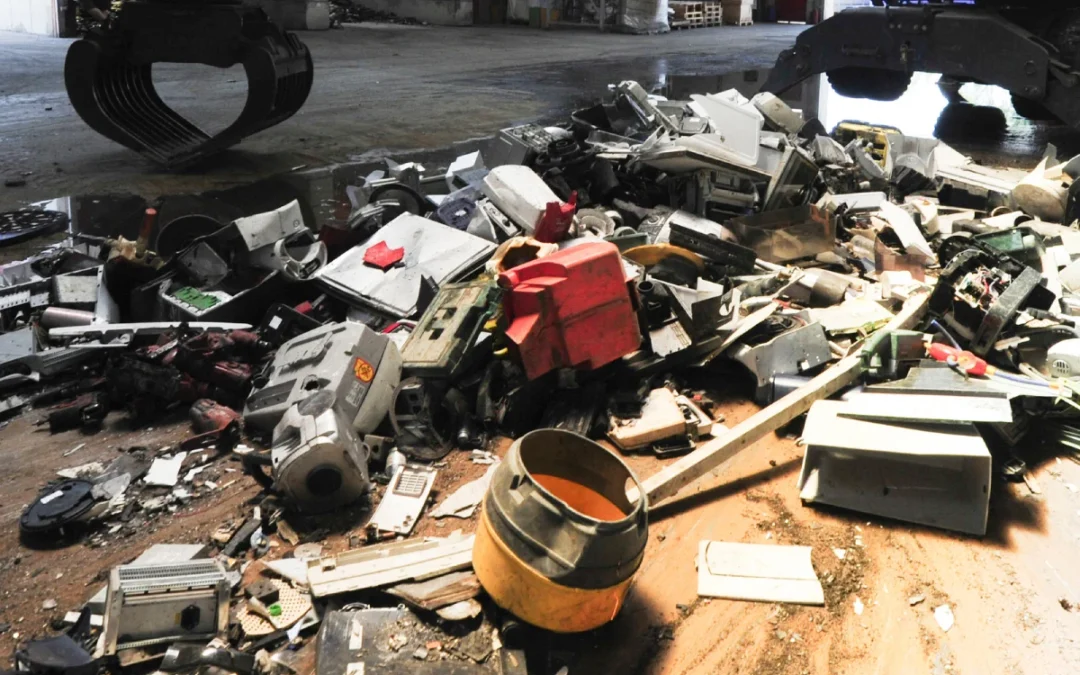
Commercial electronics are essential to everyday business operations, but what happens when computers, monitors, printers, batteries, and other electronic equipment become outdated or stop working? For many Surrey businesses, replacing old technology creates more than an ordinary waste management challenge. It can also introduce hazardous materials, data security concerns, and specialized disposal requirements.
Electronic equipment may contain substances such as lead, mercury, cadmium, and other potentially harmful components. Batteries, circuit boards, screens, and internal electrical parts can also require careful handling when equipment reaches the end of its useful life. When these materials are mixed with regular commercial garbage, they may create environmental and workplace safety risks.
For businesses planning office upgrades, equipment replacements, or large-scale cleanouts, understanding the risks associated with electronic waste is an important part of responsible waste management. Proper Electronics Disposal Surrey solutions help businesses manage unwanted technology while ensuring that potentially hazardous components are handled through appropriate recycling and disposal channels.
Why Can Commercial Electronics Contain Hazardous Materials?
Commercial electronic equipment is made from a combination of metals, plastics, glass, wiring, and electronic components. Although these materials allow devices to function efficiently, some components may contain substances that require controlled handling.
For example:
- Computer monitors and displays: Older screens, particularly certain CRT monitors, may contain leaded glass. Some display technologies may also contain mercury-containing components.
- Circuit boards: Certain electronic circuit boards contain metals and other substances that require appropriate recovery and processing.
- Rechargeable batteries: Lithium-ion and other battery types can create fire risks if damaged, crushed, or improperly stored.
- Printers and office equipment: Internal components, power supplies, toner cartridges, and batteries may require separate handling.
- Electronic cables and accessories: Wiring, connectors, and mixed electronic components should be directed to suitable recovery programs rather than indiscriminately discarded.
Not every electronic device contains the same hazardous substances. The equipment’s age, design, battery type, and condition all influence its handling requirements.
5 Reasons Commercial Electronic Waste Can Become a Hazardous Waste Concern
1. Toxic Components Can Create Environmental Risks
Some electronic devices contain metals and chemical substances that can become environmental concerns when equipment is broken apart, improperly processed, or abandoned in unsuitable disposal locations.
For example, damaged electronic components may release hazardous substances into surrounding materials. If these substances reach soil or water, they can contribute to environmental contamination.
Businesses should therefore avoid treating outdated electronics as ordinary garbage. Appropriate recycling and approved disposal channels help ensure that potentially hazardous components receive suitable treatment.
2. Damaged Batteries Can Increase Fire Hazards
Batteries are one of the most important safety considerations when managing commercial electronic waste.
Lithium-ion batteries are commonly found in laptops, tablets, portable devices, backup power systems, and other workplace equipment. When damaged, punctured, overheated, or improperly stored, they can experience thermal runaway and potentially cause fires.
Before arranging electronic waste collection, businesses should identify equipment containing rechargeable batteries. Damaged or swollen batteries should not be handled like ordinary electronic accessories or placed loosely into mixed waste containers.
3. Older Office Equipment May Require Specialized Handling
Businesses replacing older computers, photocopiers, monitors, and communication equipment may discover that some devices require different handling procedures.
Older equipment can contain materials that are no longer commonly used in newer technology. This makes it important to identify the type and condition of electronic items before organizing disposal.
A commercial electronics assessment can help determine whether equipment belongs in an accepted electronic recycling stream or requires a separate hazardous waste management process.
4. Improper Disposal Can Create Data Security Problems
Hazardous waste management is not the only concern when businesses retire electronic equipment. Computers, servers, storage drives, and office devices may contain confidential information.
Simply deleting files or removing equipment from the workplace does not necessarily eliminate the risk of unauthorized data access.
Businesses should establish a secure data destruction process before releasing equipment for recycling or disposal. Depending on the equipment and organizational requirements, this may involve certified data wiping, physical destruction of storage media, and documented asset handling.
5. Mixed Commercial Waste Can Complicate Recycling
When electronic devices are mixed with cardboard, general garbage, construction debris, or other commercial waste, identifying and recovering reusable materials becomes more difficult.
It can also increase the possibility of batteries being crushed, electronic components being damaged, or incompatible waste streams being combined.
Separating electronic equipment before collection helps businesses organize materials more efficiently and determine which items require specialized handling.
How Can Surrey Businesses Prepare Commercial Electronics for Proper Disposal?
A structured preparation process makes electronic waste management safer and more efficient.
| Preparation Step | What Businesses Should Do | Why It Matters |
| Equipment inventory | List computers, monitors, printers, batteries, and other electronic devices. | Helps identify different waste streams. |
| Battery identification | Separate battery-containing equipment and identify damaged batteries. | Reduces fire and handling risks. |
| Data protection | Arrange secure data wiping or destruction before collection. | Protects confidential business information. |
| Waste segregation | Keep electronics separate from general commercial garbage. | Prevents unnecessary mixing and damage. |
| Disposal coordination | Confirm accepted materials and collection requirements with the service provider. | Helps ensure appropriate handling. |
Businesses should avoid dismantling electronic equipment themselves unless they have the appropriate training and procedures. Batteries, internal components, and potentially hazardous materials should be handled according to applicable safety requirements.
What Surrey Businesses Should Know About British Columbia’s E-Waste Requirements
Electronic waste management in British Columbia involves specific requirements that businesses should understand before arranging collection.
Under B.C.’s Hazardous Waste Regulation, e-waste is recognized as hazardous waste within the electronic and electrical product and battery-containing product categories. The regulation also establishes requirements for managing e-waste through an extended producer responsibility (EPR) plan.
Some important considerations include:
- Appropriate recycling channels: E-waste must be managed in accordance with an applicable extended producer responsibility plan.
- Protection from damage: Electronic equipment must be stored and handled in ways that prevent damage and exposure to hazardous substances.
- Weather protection: E-waste should be protected from weather and must not be stored in standing water.
- Battery safety: Special attention is required for equipment containing lithium or lithium-ion batteries, particularly during collection and transportation.
These requirements are especially important for businesses managing large quantities of electronic equipment. Certain battery types also have separate regulatory considerations, so businesses should confirm the applicable handling requirements rather than assume all electronic waste follows the same process.
Which Commercial Electronic Items Should Businesses Identify Before Disposal?
Before scheduling collection, Surrey businesses should review the types of equipment they are retiring.
| Electronic Equipment | Potential Waste Management Concern |
| Desktop computers and laptops | Circuit boards, batteries, and electronic components |
| Computer monitors | Lead-containing glass in certain older displays |
| Printers and photocopiers | Electrical components, toner, and internal materials |
| Servers and networking equipment | Circuit boards, power supplies, and backup batteries |
| UPS backup systems | Batteries and electrical components |
| Office communication devices | Circuit boards, wiring, and rechargeable batteries |
| Electronic lighting equipment | Certain mercury-containing lamps and components |
Not every item listed automatically qualifies as hazardous waste in every circumstance. The equipment type, materials, condition, and applicable recycling program determine the appropriate management route.
How Can Professional Hazardous Waste Management Help Surrey Businesses?
Managing commercial electronics requires more than finding somewhere to drop off unwanted equipment. Businesses need to consider material identification, safe storage, transportation, recycling eligibility, and the handling of potentially hazardous components.
Professional waste management support can help businesses:
- Identify different waste streams: Determine which electronic items can enter established recycling programs and which materials may require separate hazardous waste handling.
- Coordinate suitable collection: Organize collection arrangements based on the quantity, type, and condition of unwanted equipment.
- Reduce handling risks: Minimize unnecessary movement, dismantling, and damage to electronic components.
- Improve waste segregation: Keep electronic materials, batteries, and other commercial waste streams appropriately separated.
- Support responsible disposal: Direct materials toward suitable recycling, recovery, or authorized disposal channels.
For larger commercial cleanouts, equipment replacement projects, and industrial operations, planning these steps can make waste management more organized and predictable.
Why Surrey Businesses Should Plan Electronics Disposal Before Equipment Replacement
Waiting until old equipment accumulates can create unnecessary storage and handling challenges. Businesses may have limited space for outdated computers, damaged batteries, unused office electronics, and other materials that require separate management.
Planning ahead provides several advantages:
- Prevents unwanted electronics from accumulating in work areas.
- Helps identify batteries and potentially hazardous components before collection.
- Allows businesses to arrange suitable recycling and disposal options.
- Supports better inventory and data security procedures.
- Reduces the risk of electronic equipment entering general commercial waste streams.
Whether a business is upgrading a small office or replacing equipment across multiple commercial locations, an organized disposal plan supports safer and more responsible waste management.
Professional Electronics and Hazardous Waste Disposal in Surrey
Commercial electronic waste should never be treated as an ordinary garbage stream without first identifying its materials and appropriate management requirements. From outdated computers and office equipment to lithium batteries and specialized electronic components, every waste stream needs suitable handling.
Canadian Empire Recycling & Disposal provides hazardous waste management services for commercial waste streams, including lithium batteries, lead-acid batteries, other batteries, and certain electronic and hazardous components.
Businesses looking for Hazardous Waste Disposal Surrey can discuss their material types, quantities, and collection requirements to determine suitable management options. For responsible Electronics Disposal Surrey, contact Canadian Empire Recycling & Disposal to discuss your commercial electronic waste and hazardous material management needs.
Frequently Asked Questions
Which business electronics require specialized disposal?
Computers, laptops, monitors, printers, servers, backup power systems, and certain communication devices may require specialized recycling or hazardous waste management depending on their components.
Can Surrey businesses throw old computers and batteries into commercial dumpsters?
No. Businesses should not place electronic waste and batteries into ordinary garbage or mixed recycling streams without checking the appropriate disposal requirements. Batteries can create fire hazards, while certain electronic components require specialized handling.
How should businesses prepare electronic equipment before collection?
Businesses should inventory equipment, identify battery-containing devices, protect potentially hazardous components from damage, and arrange secure data destruction before releasing equipment for recycling or disposal.
Does all electronic waste need to be handled as hazardous waste in Surrey?
British Columbia's Hazardous Waste Regulation identifies e-waste as hazardous waste within specified electronic and electrical product and battery-containing categories. However, individual products may follow different recycling and handling requirements depending on their classification and applicable programs.