Quick answer: Asbestos cleanup in Surrey is complete only when the removed material has been wetted, sealed in approved bags or containers, labelled, stored separately, transported legally, and accepted at a facility that accepts asbestos waste. Keep the disposal receipt. Until then, the risk and liability remain on your site.
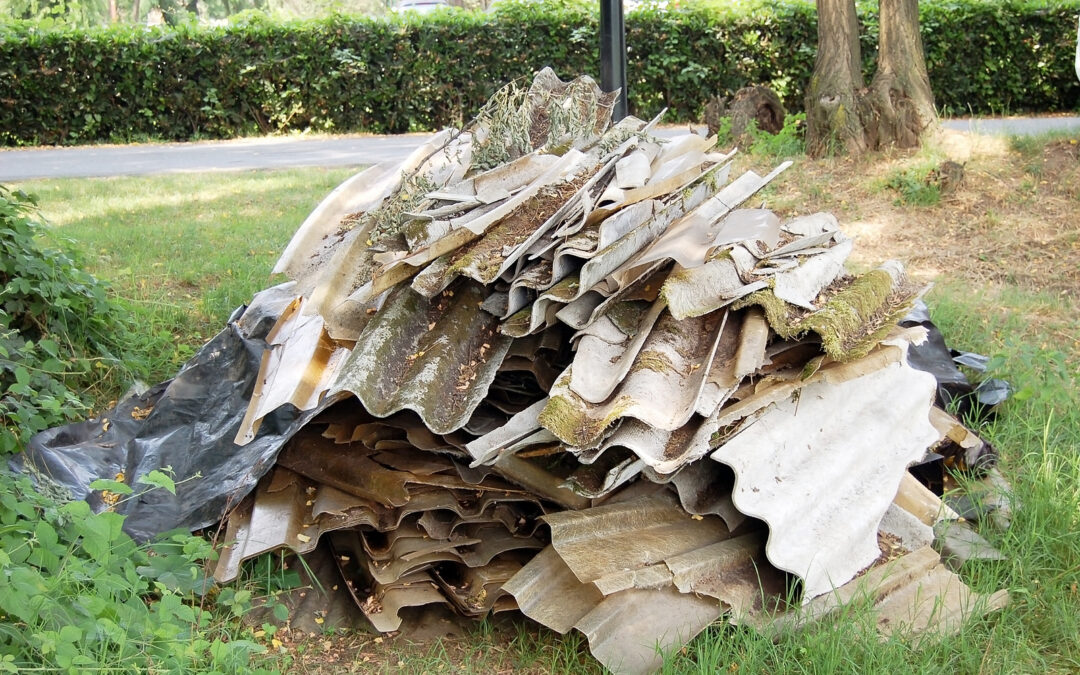
Most asbestos projects are planned around the removal. The survey is done, a licensed abatement contractor is booked, the work area is sealed off, and the material comes down. Then the crew finishes, and a pile of bagged waste sits in a garage, a loading bay, or the corner of a job site.
That gap between removed and disposed is where a lot of projects in Surrey, Delta, Langley and across Metro Vancouver go wrong. This guide walks through what needs to happen after removal, who is responsible, and what records you should keep.
Removed Isn’t the Same as Disposed
Asbestos is only a hazard when its fibres get into the air. Removal work is tightly controlled for exactly that reason: wetting, containment, negative air, protective equipment. But the moment bagged waste leaves the controlled work area, most of those protections are gone.
After removal, asbestos waste can still become a problem when:
- Bags are torn by sharp debris like nails, tile edges or broken cement board
- Waste is left outside, where UV and weather break down the plastic
- Other trades move, stack, or throw bags without knowing what’s inside
- Bags end up in a general construction bin or a regular garbage load
- Nobody can show where the waste actually went
Key point: Asbestos removal controls the risk inside the work area. Proper waste handling controls the risk everywhere after it. A project that skips the second half hasn’t removed the hazard. It has just moved it.
The 6 Steps After Asbestos Removal
1. Keep the waste wet
Asbestos-containing material should be kept wet during removal and packaging so fibres stay bound to the material. Dry, crumbling (friable) waste is the highest-risk kind to handle and transport.
2. Seal it in approved bags or containers
Asbestos waste is commonly double-bagged in heavy-duty (typically 6-mil) polyethylene bags, sealed with the air pressed out. Rigid or sharp pieces such as cement board, pipe sections or tiles with sharp edges should be wrapped or placed in a rigid container first, so they can’t puncture the bag. Don’t overfill: a bag that’s too heavy to lift safely is a bag that gets dragged and torn.
3. Label every bag
Each bag or container should be clearly marked as asbestos waste with a hazard warning, so anyone who touches it knows what it is. Unlabelled bags are the most common way asbestos ends up in the wrong bin.
4. Store it separately and securely
Until pickup or drop-off, store the waste:
- Away from general construction debris and regular garbage
- In a locked or restricted area, not an open driveway or shared loading dock
- Out of direct sun and rain
- For as short a time as possible. Plan the disposal date before removal starts, not after.
5. Transport it properly
Asbestos is a regulated dangerous good for transport. Loads need to be packaged and marked correctly, and the driver needs to know what they’re carrying. Never put bags in the back of an open pickup with other waste, or in a vehicle that will carry passengers or food.
6. Dispose of it at a facility that accepts asbestos, and get proof
Asbestos can’t go into regular garbage, a standard roll-off bin, or a general load at a transfer station. It must go to a facility or depot that is set up to accept it. When it’s accepted, get a receipt or disposal ticket. That piece of paper is what proves the job is actually finished.
Common Mistakes After the Cleanup
These are the problems we see most often after asbestos work in the Lower Mainland:
- Mixing asbestos into the construction bin. It feels efficient, but it contaminates the whole load, and that load can then be rejected or become a much bigger (and more expensive) problem. See: Can commercial asbestos waste be placed in regular bins in Surrey?
- Leaving bags on site for weeks. Waiting for “a full load” means weeks of weather, foot traffic, and other trades working around torn plastic.
- Homeowners hauling it themselves to a transfer station that doesn’t accept it, only to be turned away with the bags already in their vehicle.
- No receipt. Months later, during a sale, an inspection, or an insurance claim, nobody can show where the waste went.
- Assuming the abatement contractor handled disposal. Sometimes they do. Sometimes the contract only covers removal. Check before the crew leaves.
Who Is Responsible for the Waste?
On most projects, three parties are involved:
- The property owner owns the building and the hazard. Ultimately, it’s their site.
- The abatement contractor removes and packages the material. In BC, asbestos abatement contractors must be licensed by WorkSafeBC, and removal work falls under the asbestos requirements in Part 6 of WorkSafeBC’s Occupational Health and Safety Regulation.
- The general contractor or property manager controls the site, the schedule, and the other trades working around stored waste.
The waste itself also falls under BC’s Hazardous Waste Regulation under the Environmental Management Act, which sets requirements for how asbestos waste is packaged, labelled and disposed of.
The practical takeaway: put disposal in writing. Before work starts, your contract or scope should say who packages the waste, who transports it, where it goes, and who hands over the disposal receipt.
Key point: On most Surrey renovation and demolition projects, the question isn’t whether asbestos waste needs proper disposal. It’s whose job it is. If the scope of work doesn’t name someone, assume it’s you.
What Records Should You Keep?
This is the step most people skip, and the one that matters most later. After an asbestos project, keep:
| Record | Why it matters |
|---|---|
| Hazardous materials survey or asbestos test results | Shows what was found and where |
| Abatement contractor’s scope and invoice | Shows licensed professionals did the removal |
| Clearance or air-monitoring results, if done | Shows the area was safe to reoccupy |
| Disposal receipt or drop-off ticket | Shows the waste reached a facility that accepts asbestos |
| Photos of bagged, labelled waste before pickup | Simple, useful backup evidence |
These records come up more often than people expect:
- Selling a property. Buyers and their inspectors increasingly ask about asbestos in older homes and commercial buildings.
- WorkSafeBC or municipal inspections on active job sites.
- Insurance claims after fire or flood damage.
- Future renovations. The next contractor needs to know what’s already been removed.
Key point: An asbestos disposal receipt costs nothing to keep and can save weeks of delay during a property sale or inspection. Store it with the building’s permanent records, not in a job folder that gets thrown out.
After Fire or Flood Damage
Emergency cleanups are where asbestos waste handling most often breaks down. After a fire, a burst pipe or storm damage in an older Surrey building, damaged drywall, ceiling texture, flooring, or insulation may contain asbestos, and it’s often already broken and wet.
In these situations:
- Don’t start tearing out damaged material until it has been tested
- Keep asbestos-suspect debris separate from the rest of the cleanup waste
- Make sure the restoration company’s scope includes proper asbestos packaging and disposal
- Keep the disposal receipt with your insurance paperwork
How Canadian Empire Recycling Helps
Canadian Empire Recycling helps homeowners, contractors, and property managers across Surrey and the Lower Mainland finish the job properly once asbestos has been removed:
- Asbestos drywall drop-off at our Surrey depot (107-13119 84 Avenue), with packing instructions so your load is accepted the first time
- Asbestos bin rental for renovation and demolition projects that generate larger volumes
- Asbestos waste disposal Surrey for residential and commercial projects in Surrey, Delta, Langley, Burnaby, Richmond and the Fraser Valley
Once asbestos has been removed, make sure the waste is packaged, transported, and disposed of correctly. Contact Canadian Empire Recycling for help with asbestos waste disposal, asbestos drywall drop-off and bin rental services across Surrey and the Lower Mainland. Call (604) 889-2377 before bringing your waste in to confirm packaging and acceptance requirements.
Frequently Asked Questions
How long can asbestos waste stay on site after removal?
As short a time as possible. While it waits, keep it sealed, labelled, out of the weather and in a restricted area away from other debris. The best practice is to book disposal before removal starts, so waste leaves the site soon after the work is done.
Do I need a receipt for asbestos disposal?
Yes, you should always get one. A disposal receipt or drop-off ticket is your proof that the waste reached a facility that accepts asbestos. It's useful for property sales, inspections, insurance claims, and future renovations.
Who can remove asbestos in BC?
In BC, asbestos abatement work must be done by a contractor licensed by WorkSafeBC, following the asbestos requirements in WorkSafeBC's Occupational Health and Safety Regulation. Disposal must then follow BC's Hazardous Waste Regulation.
Can homeowners drop off asbestos waste in Surrey?
Yes, if it's packaged correctly. Canadian Empire Recycling accepts properly packed asbestos drywall from residential clients at our Surrey depot. Call (604) 889-2377 before you come to confirm packaging and what we can accept.