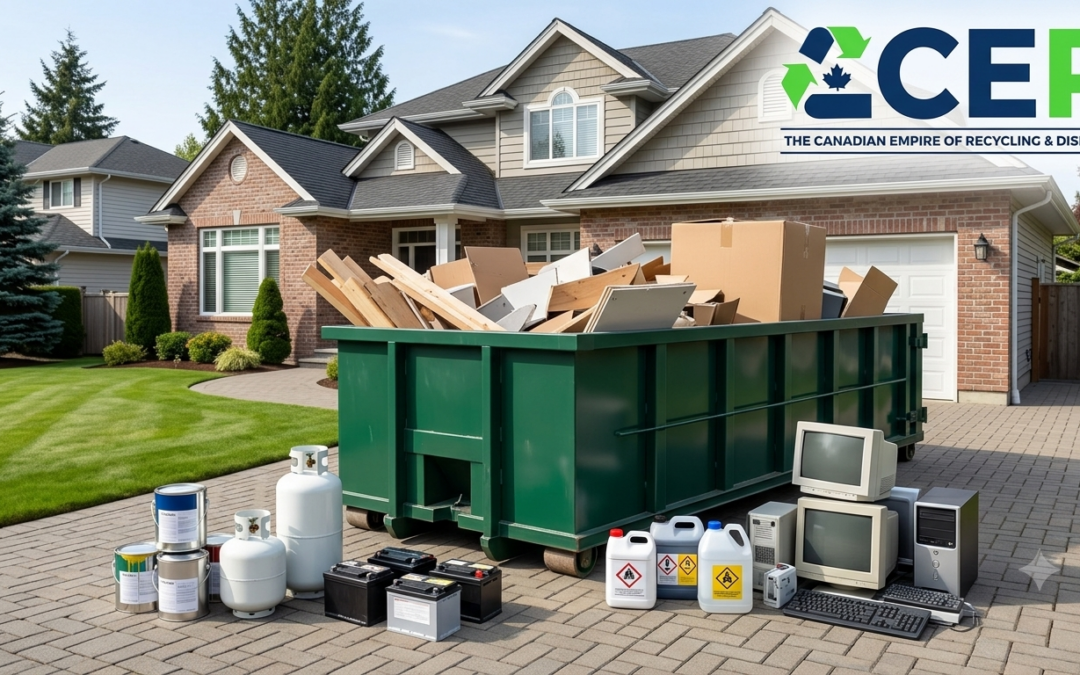
Renting a waste bin is one of the easiest ways to manage debris during home renovations, construction projects, property cleanups, and commercial renovations. However, not everything belongs in a dumpster. Many people assume they can throw away any unwanted material, only to discover later that certain items are prohibited because they pose environmental, health, or safety risks.
If you’re booking a Bin Rental service, understanding what cannot go into your bin can help you avoid additional fees, rejected pickups, and regulatory issues. This guide explains which materials are banned, why they require special handling, and when to arrange Hazardous Waste Disposal services instead.
Why Certain Materials Are Prohibited in Bin Rentals
Most waste collected through standard bin rental services is transported to sorting or recycling facilities. Hazardous materials require specialized handling because they can:
- Contaminate recyclable materials
- Leak toxic chemicals into soil or groundwater
- Create fire or explosion hazards
- Release dangerous fumes during transportation
- Put waste management workers at risk
- Violate provincial environmental regulations
Separating hazardous waste from general waste protects both people and the environment while ensuring recyclable materials remain usable.
Items That Should Never Go Into a Bin Rental
1. Paints, Solvents, and Chemicals
Old paint cans, paint thinners, stains, varnishes, adhesives, and industrial chemicals should never be placed inside a regular waste bin.
These materials may contain volatile organic compounds (VOCs) and other hazardous substances that require controlled recycling or disposal.
2. Motor Oil and Automotive Fluids
Automotive products such as:
- Engine oil
- Transmission fluid
- Brake fluid
- Antifreeze
- Fuel
must be collected separately because they can contaminate large amounts of soil and water if spilled.
3. Batteries
Many batteries contain heavy metals such as lead, lithium, cadmium, or mercury.
This includes:
- Car batteries
- Lithium-ion batteries
- Rechargeable batteries
- UPS batteries
- Power tool batteries
Damaged lithium batteries can even ignite during transportation.
4. Propane Tanks and Pressurized Cylinders
Compressed gas containers remain dangerous even when they appear empty.
Examples include:
- Propane tanks
- Oxygen cylinders
- Fire extinguishers
- Aerosol cans
- Helium tanks
These items may explode if compacted inside waste trucks.
5. Asbestos-Containing Materials
Older Surrey homes and commercial buildings may contain asbestos in:
- Floor tiles
- Pipe insulation
- Roofing materials
- Ceiling texture
- Drywall compounds
Asbestos should only be handled using approved disposal procedures because disturbed fibres can become airborne.
6. Electronic Waste
Electronics contain recoverable metals along with hazardous components.
Avoid placing items like:
- TVs
- Computers
- Printers
- Monitors
- Networking equipment
- Small appliances
into general waste bins whenever recycling programs are available.
7. Tires
Vehicle tires are prohibited at many disposal facilities because they require specialized recycling processes that recover rubber, steel, and other materials.
8. Medical or Biohazard Waste
Items including:
- Needles
- Syringes
- Biomedical waste
- Pharmaceuticals
- Contaminated medical supplies
must follow specialized disposal procedures.
9. Household Hazardous Products
Many common household products also require separate disposal, including:
- Pool chemicals
- Pesticides
- Herbicides
- Cleaning acids
- Bleach concentrates
- Mercury thermometers
Although commonly stored at home, these products should never be mixed with ordinary construction or household debris.
What Can Usually Go Into a Bin Rental?
A typical Bin Rental Services Surrey container can usually accept:
- Wood
- Drywall
- Furniture
- Household junk
- Yard waste
- Cardboard
- Non-hazardous renovation debris
- Flooring materials
- Metal
- Plastic
- General construction waste
However, acceptable materials may vary depending on the waste stream and recycling facility, so confirming allowed items before loading your bin is always recommended.
Why Proper Hazardous Waste Disposal Matters in Surrey
Improper disposal doesn’t only create environmental problems—it can also delay waste collection, increase disposal costs, and lead to rejected loads.
Using professional Hazardous Waste Disposal Surrey services helps:
- Protect local waterways
- Improve recycling efficiency
- Reduce landfill contamination
- Meet provincial environmental requirements
- Improve worker safety
- Ensure hazardous materials are managed responsibly
Proper segregation also allows valuable recyclable materials to be recovered instead of being discarded.
Tips Before Loading Your Bin
Before your cleanup begins:
- Separate hazardous waste from general debris.
- Store liquids in sealed, clearly labeled containers.
- Keep batteries and electronics in dedicated recycling boxes.
- Ask your bin provider if you’re unsure about specific materials.
- Never hide prohibited items beneath other waste to avoid inspection issues.
Planning can prevent delays and help your project stay on schedule.
Choose a Safer Waste Disposal Partner in Surrey
Not every item belongs in a standard waste bin, and identifying restricted materials before your cleanup begins can save time, prevent extra disposal charges, and keep your project compliant with local regulations. Whether you’re planning a renovation, construction project, or property cleanout, understanding what can and cannot go into a bin helps ensure a safer and more efficient cleanup.
If you need reliable waste management solutions in Surrey, Canadian Empire Recycling & Disposal offers dependable bin rental services backed by knowledgeable support. Contact Canadian Empire Recycling & Disposal today to choose the right disposal solution for your project and ensure prohibited materials are handled safely and responsibly.
Frequently Asked Questions
Are batteries allowed in bin rentals?
No. Car batteries, lithium batteries, and rechargeable batteries should always be recycled or disposed of through approved hazardous waste programs.
Can electronics be thrown into a dumpster?
Most electronics should be taken to an approved e-waste recycling facility instead of being placed in a regular waste bin.
Why are propane tanks prohibited?
Even empty propane tanks can remain pressurized, creating explosion and fire risks during transportation and waste processing.
Who should I contact for hazardous waste disposal in Surrey?
For safe handling of hazardous materials and dependable Bin Rental Surrey services, contact Canadian Empire Recycling & Disposal for expert guidance and compliant disposal solutions.