by owner | Oct 23, 2026 | Blog, Hazardous Waste Disposal
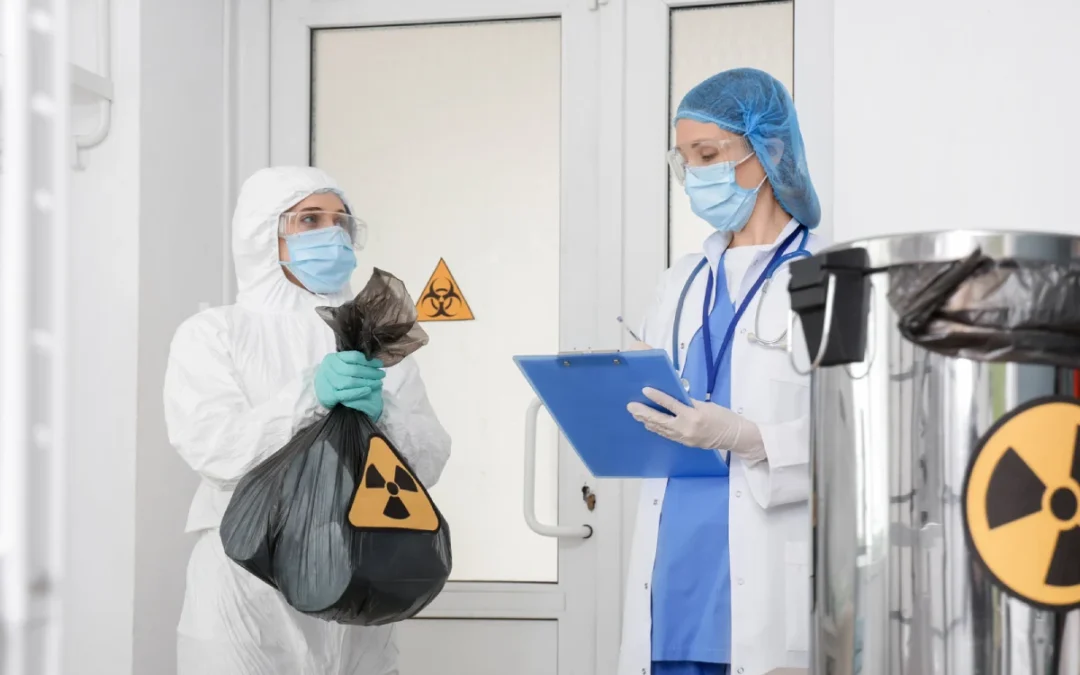
Quick answer: Vancouver businesses that generate hazardous waste need a clear system for identifying materials, monitoring storage locations, recording quantities and documenting each pickup. A central waste tracking log helps staff know what is stored on-site, when...

by owner | Sep 24, 2026 | Blog, Hazardous Waste Disposal
Hazardous waste is any material that’s ignitable, corrosive, reactive, or toxic enough to harm people, property, or the environment if it’s mixed into regular garbage — common examples in a Vancouver business include used oil, solvents, batteries, cleaning...
by owner | Sep 2, 2026 | Blog, Chemical waste, Hazardous Waste Disposal
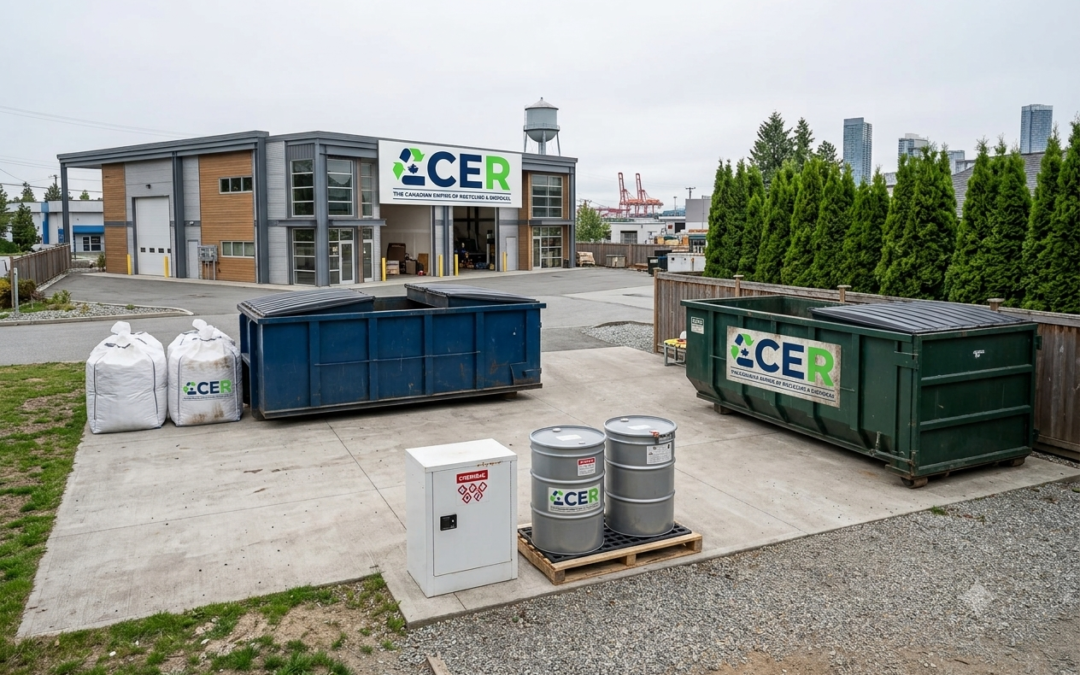
For Vancouver businesses, a regular dumpster can be a convenient solution for everyday garbage, packaging, and certain types of commercial debris. However, not every type of business waste belongs in a standard dumpster. Chemicals and other hazardous materials may...
by owner | Aug 19, 2026 | Hazardous Waste Disposal, Blog, Hazardous Waste Drop Off
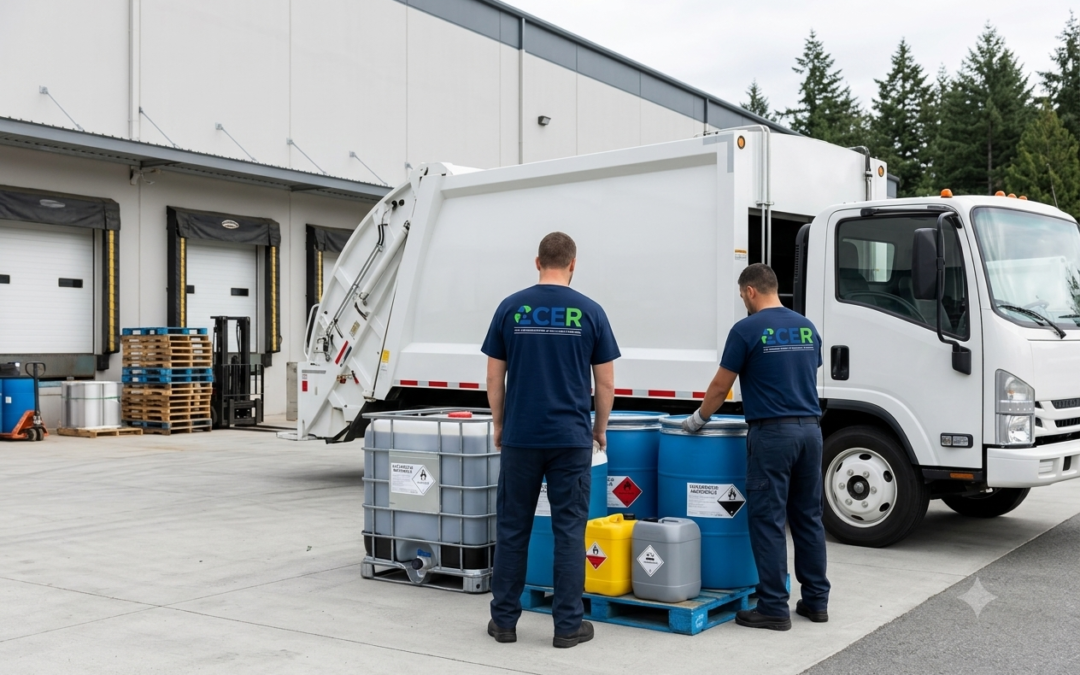
Businesses in Vancouver can generate many types of waste during normal operations, renovations, maintenance, manufacturing, and property cleanouts. While cardboard, packaging, general garbage, and many recyclable materials can follow standard waste streams, certain...
by owner | Jul 30, 2026 | Blog, Hazardous Waste Disposal, Paint Recycling
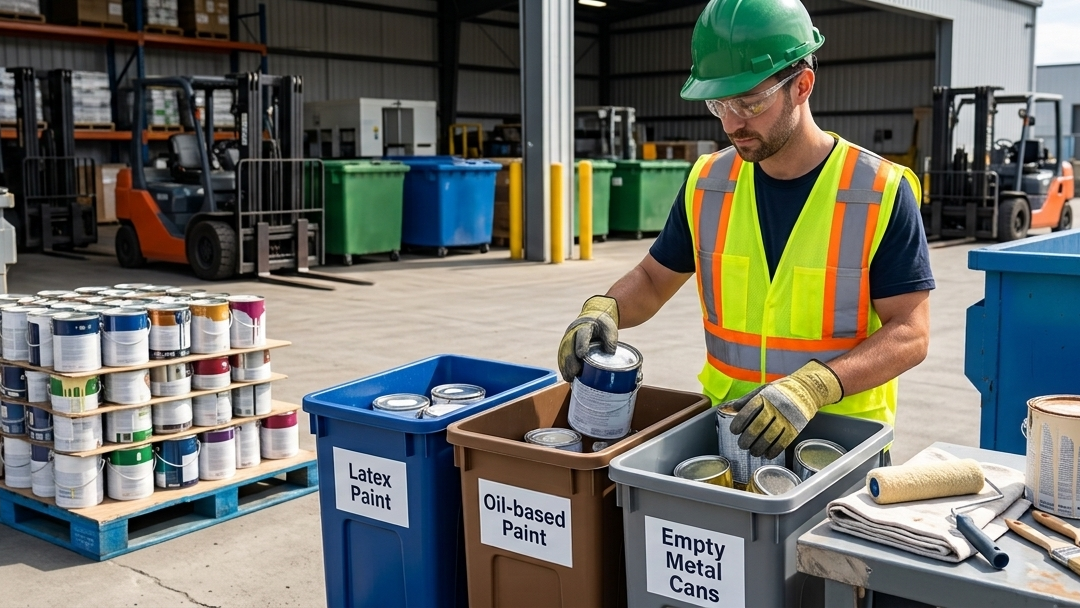
Painting projects are common across Vancouver, from residential renovations to large-scale commercial developments. However, one question continues to confuse homeowners, contractors, and property managers alike: Can dried paint actually be recycled? The answer...
by owner | Jul 15, 2026 | Blog, Battery Disposal, Chemical waste, Hazardous Waste Disposal
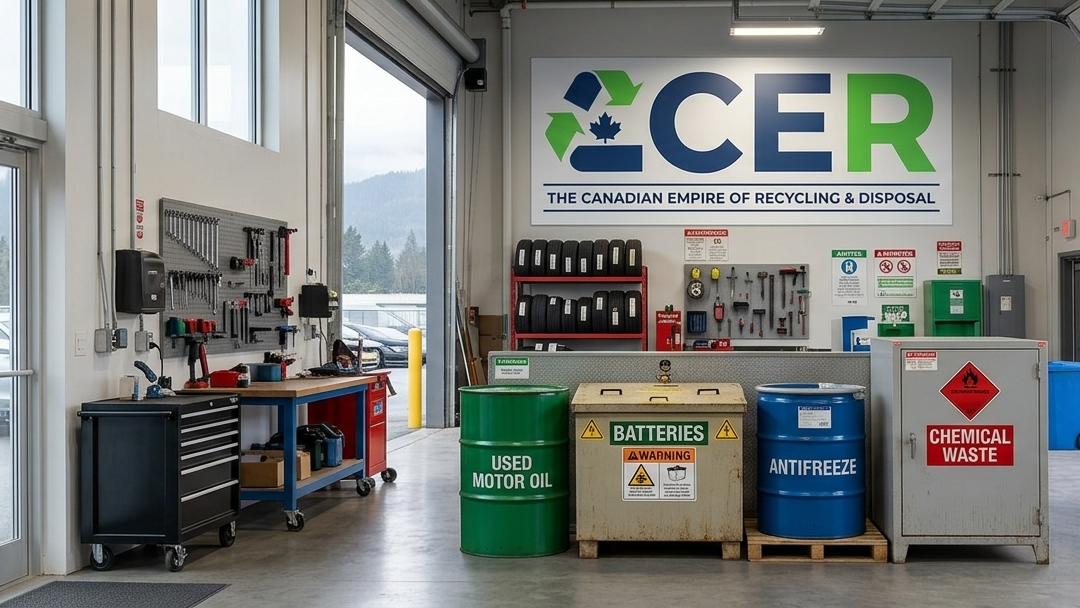
Running an auto repair shop involves more than fixing vehicles. Every day, automotive businesses generate waste materials that can harm people and the environment if they are not handled correctly. Used motor oil, antifreeze, solvents, brake fluid, contaminated rags,...