by owner | Nov 5, 2026 | Blog, Asbestos Disposal
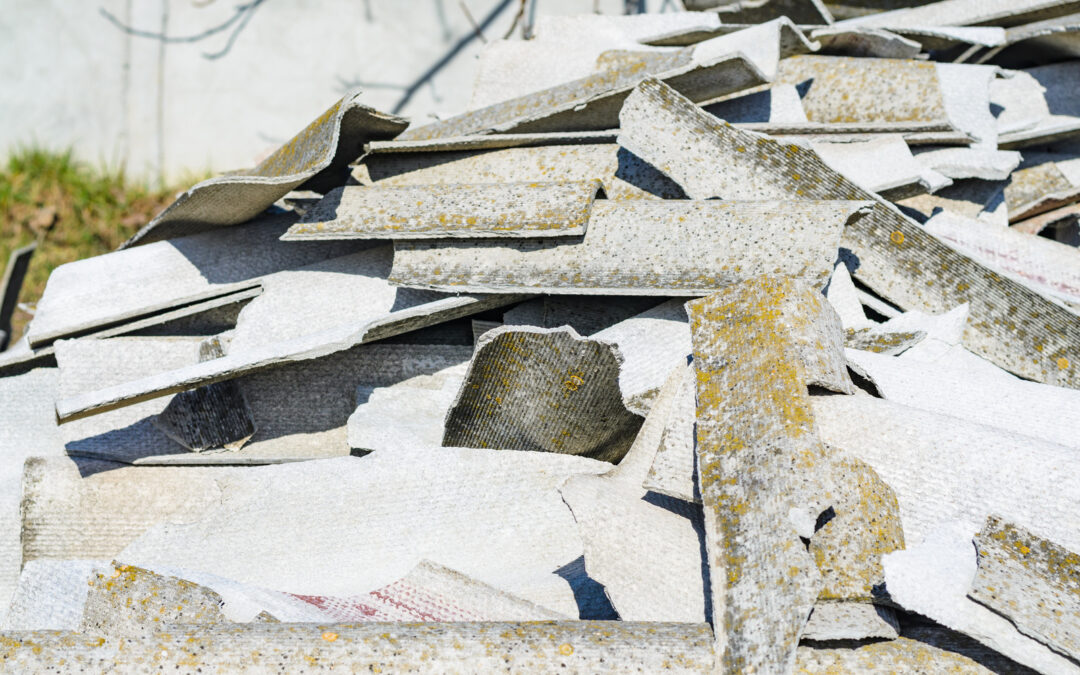
Asbestos removal is one of the most carefully managed stages of a renovation project, particularly when contractors are working in older commercial buildings, residential properties, or structures undergoing major interior upgrades. However, removing...
by owner | Oct 30, 2026 | Blog, Cardboard Recycling
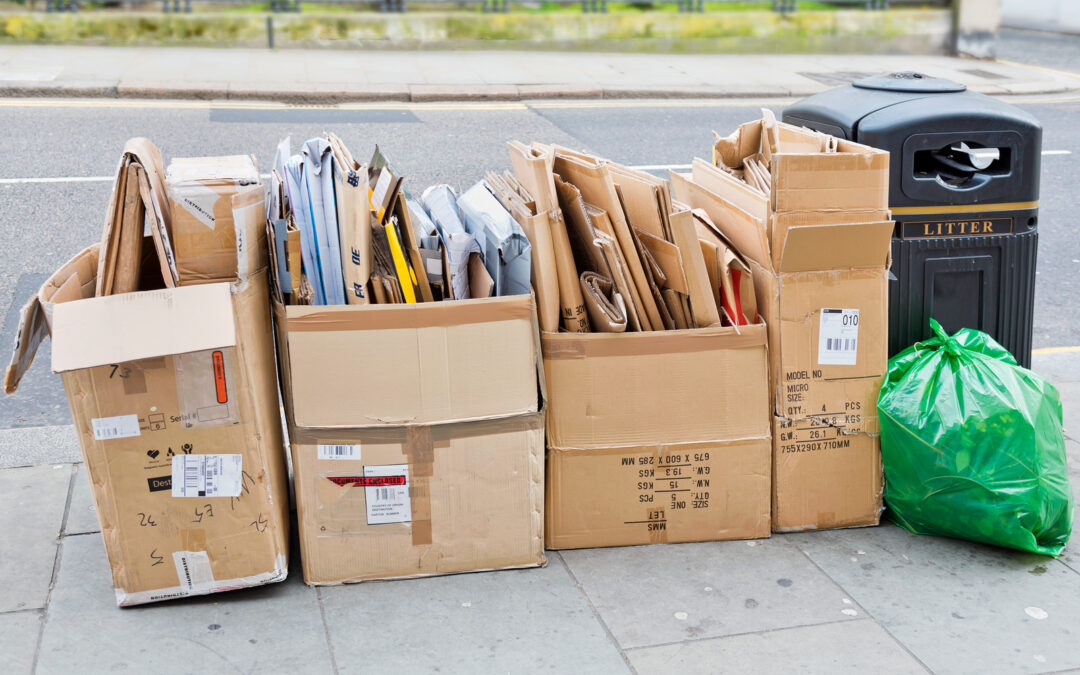
Quick answer: Vancouver businesses can manage cardboard waste during rainy weather by using covered storage areas, flattening boxes before placing them in recycling containers, separating cardboard from food waste and liquids, and arranging collections before storage...
by owner | Oct 23, 2026 | Blog, Hazardous Waste Disposal
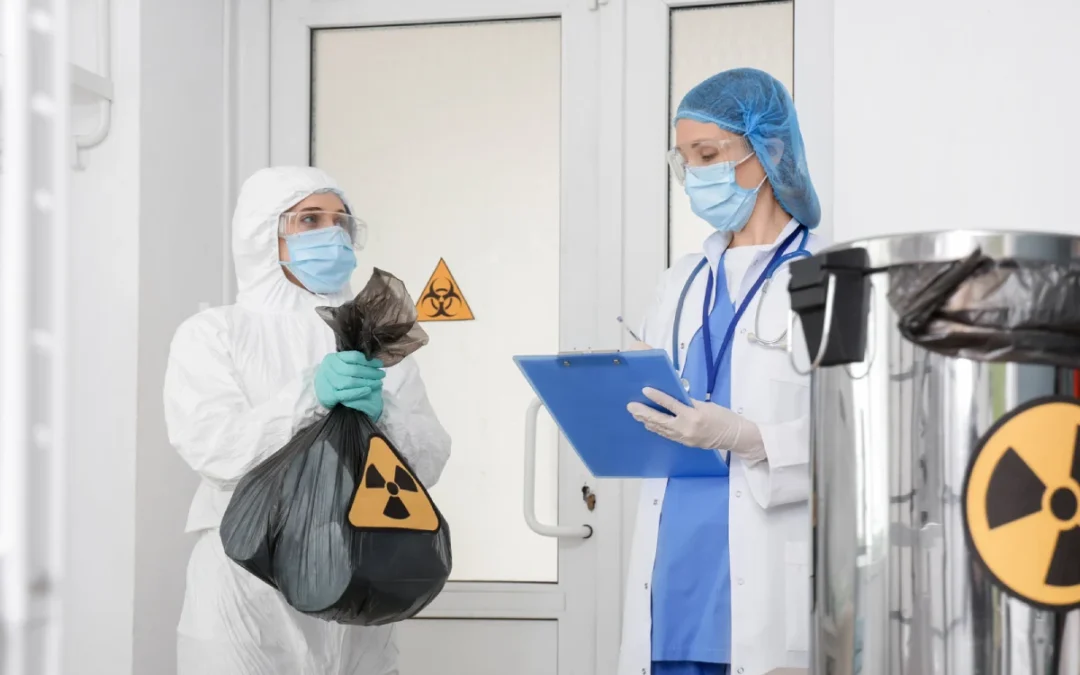
Quick answer: Vancouver businesses that generate hazardous waste need a clear system for identifying materials, monitoring storage locations, recording quantities and documenting each pickup. A central waste tracking log helps staff know what is stored on-site, when...
by owner | Oct 8, 2026 | Blog, Chemical waste
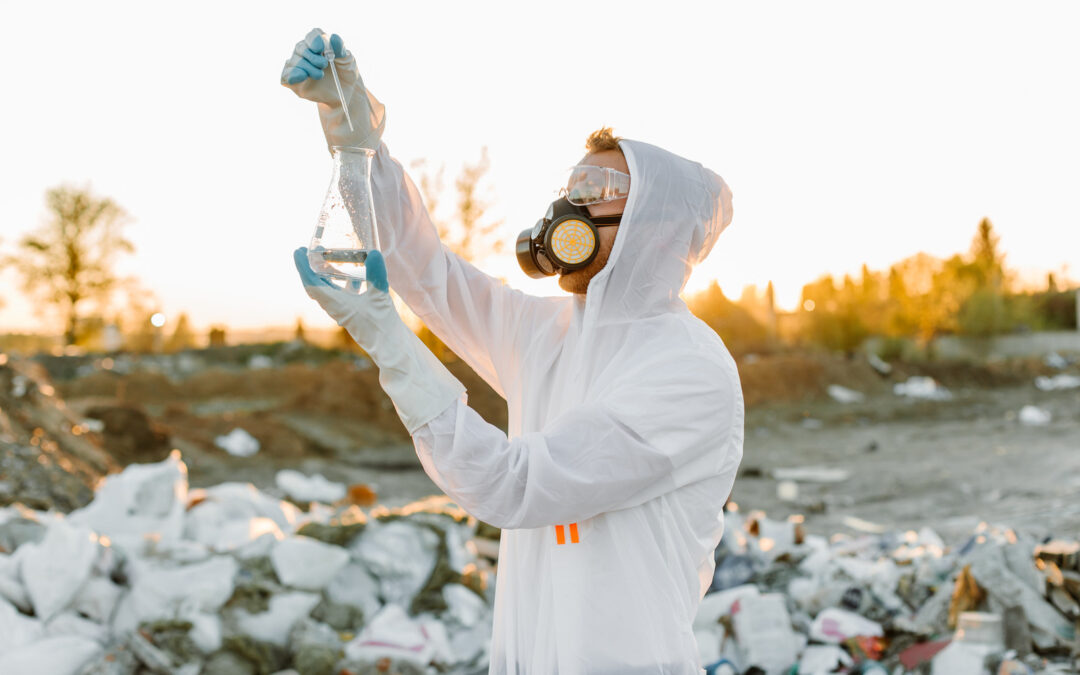
Quick answer: Yes. Unused chemicals can become a waste-management issue when a Vancouver business no longer needs them, cannot use them for their original purpose, or has chemicals that are expired, unidentified, damaged, or left over from a previous operation....
by owner | Sep 30, 2026 | Blog, Asbestos Disposal
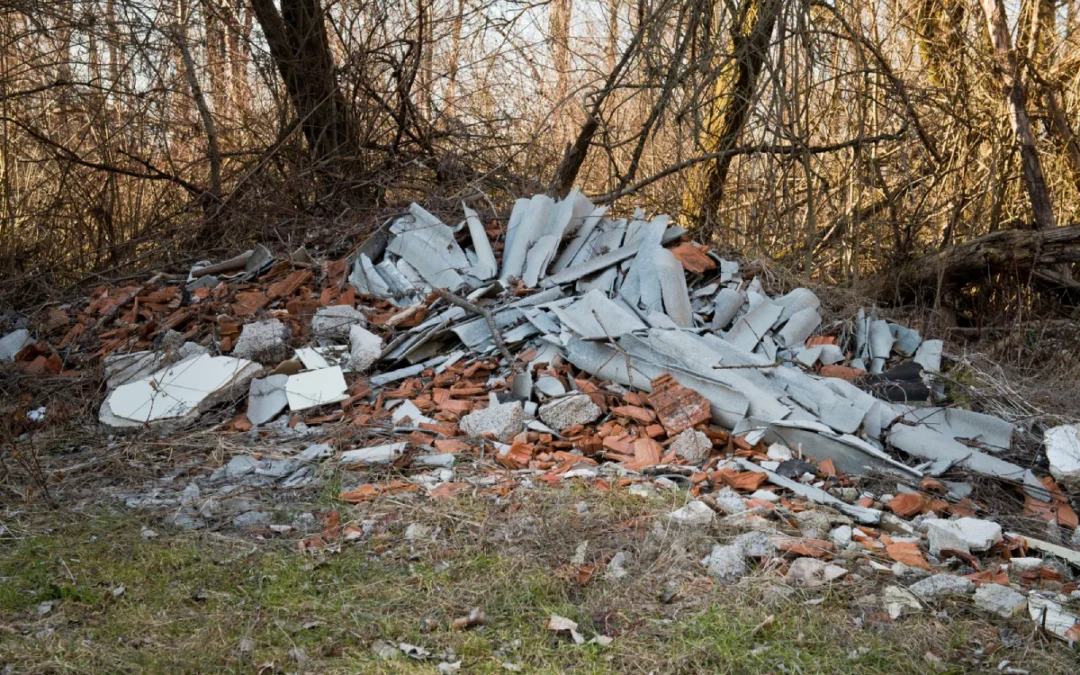
Quick answer: If asbestos ends up in a regular construction bin in Vancouver, the whole load is treated as asbestos-contaminated. It can be turned away at disposal; it has to be re-packaged and hauled as asbestos waste at a much higher rate, and it can delay your...

by owner | Sep 24, 2026 | Blog, Hazardous Waste Disposal
Hazardous waste is any material that’s ignitable, corrosive, reactive, or toxic enough to harm people, property, or the environment if it’s mixed into regular garbage — common examples in a Vancouver business include used oil, solvents, batteries, cleaning...