
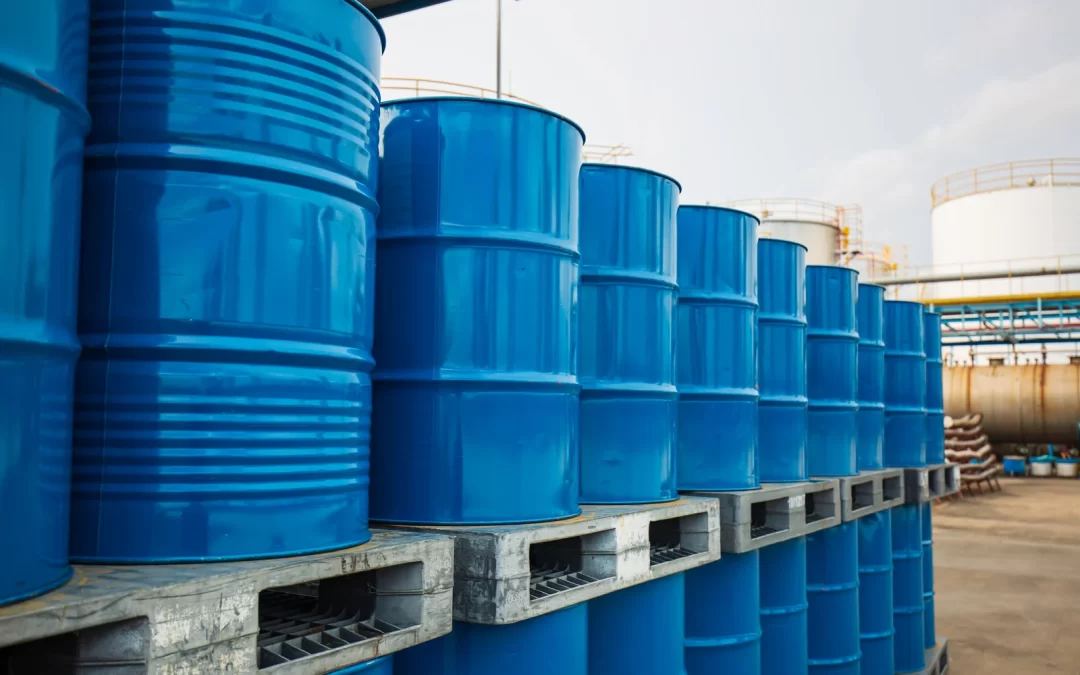
Diesel fuel is widely used across Vancouver in construction, transportation, marine operations, and backup power systems. However, diesel does not last forever. Over time, fuel can degrade, become contaminated, or turn unsafe to use. When this happens, improper handling or disposal can pose serious risks to people, property, and the environment. If you are wondering what to do with old or contaminated diesel fuel, understanding the correct steps is essential.
How Diesel Fuel Becomes Old or Contaminated
Diesel fuel degrades due to several factors, especially when stored for long periods. Exposure to air causes oxidation, while moisture buildup leads to microbial growth known as “diesel bug.” Temperature fluctuations and poor storage conditions can also accelerate fuel breakdown.
Common signs of contaminated diesel include:
- A strong sour or rotten odor
- Dark or cloudy appearance
- Sediment or sludge at the bottom of the tank
- Engine problems, such as clogged filters or poor performance
Using degraded diesel can damage engines, fuel lines, and injectors, leading to costly repairs. Once diesel fuel reaches this condition, disposal becomes the safest option.
Why You Should Never Dump Diesel Fuel
Dumping diesel fuel into drains, soil, or garbage bins is illegal and dangerous. Diesel contains toxic hydrocarbons that can contaminate groundwater, harm wildlife, and create long-term environmental damage. Even small quantities can pollute large volumes of water.
Improper disposal may result in:
- Environmental fines and legal penalties
- Fire and explosion hazards
- Soil and water contamination
- Health risks from toxic fumes
Vancouver enforces strict waste regulations to protect the environment, making it critical to follow approved disposal methods.
Understanding Diesel as Hazardous Waste
Old or contaminated diesel fuel is classified as hazardous waste because of its flammability and toxic composition. This means it cannot be handled like regular waste or recycling. Special procedures are required for storage, transportation, and disposal.
Facilities and contractors handling fuel waste must adhere to provincial and municipal safety guidelines. Containers must be properly labeled, sealed, and handled by trained professionals to prevent spills or exposure during transport.
Temporary Storage Before Disposal
If you cannot dispose of diesel immediately, temporary storage is crucial for safety. Fuel should be stored in approved containers specifically designed for diesel. These containers should be tightly sealed and kept in a cool, well-ventilated area away from ignition sources.
Never mix diesel with other chemicals or fuels, as this can increase risks and complicate disposal. Clearly label containers as “waste diesel” to avoid accidental use or mishandling.
Diesel Disposal Options
When disposal is required, using a licensed professional service is the safest and most reliable option. Diesel Disposal Vancouver services are equipped to handle fuel waste in compliance with environmental laws. These providers manage the entire process, from pickup and transportation to proper treatment or recycling.
Professional disposal ensures:
- Legal compliance
- Safe handling and spill prevention
- Proper documentation for businesses
- Environmentally responsible processing
This approach is especially important for commercial operations, marinas, construction sites, and fleet owners.
Role of Hazardous Waste Disposal Services
Certified Hazardous Waste Disposal Vancouver providers play a crucial role in protecting local ecosystems. These services are trained to manage flammable liquids and prevent contamination during transport and treatment. Depending on the fuel’s condition, diesel may be treated, refined, or disposed of through approved hazardous waste facilities.
Using certified disposal services also protects businesses from liability and ensures adherence to WorkSafeBC and environmental standards.
When Fuel Recycling Is Possible
In some cases, diesel fuel can be filtered or reconditioned if contamination is minimal. Specialized facilities may be able to remove water and sediments, allowing the fuel to be reused safely. However, heavily degraded diesel typically requires disposal rather than recycling.
A professional assessment can determine whether recycling is viable or if full disposal is the safest route.
Commercial and Industrial Diesel Waste Challenges
Businesses often deal with larger volumes of diesel waste, making proper disposal even more critical. Improper storage or delayed disposal can lead to leaks, tank corrosion, and regulatory violations. Construction companies, shipping operations, and property managers should implement regular fuel inspections to avoid the accumulation of unusable diesel.
Working with experienced providers, Commercial Waste Disposal Vancouver ensures efficient scheduling, compliance documentation, and reduced environmental risk.
Choosing a Responsible Disposal Partner
Selecting the right disposal partner is essential for peace of mind. Look for companies that are licensed, insured, and experienced in handling fuel waste. Transparent pricing, safety protocols, and regulatory knowledge are key indicators of a reliable service provider.
One trusted name in the region is Canadian Empire Recycling, which supports responsible fuel and hazardous waste management. Their team understands local regulations and offers professional solutions for safe diesel handling and disposal.
Safe Diesel Disposal Protects
Old or contaminated diesel fuel should never be ignored or improperly discarded. Taking responsible action protects your equipment, reduces environmental harm, and ensures compliance with Vancouver’s waste regulations. Whether you are a homeowner with leftover fuel or a business managing large quantities, professional disposal is the safest solution.
For dependable and compliant diesel fuel disposal, Canadian Empire Recycling provides expert support and environmentally responsible services. Contact Canadian Empire Recycling to schedule a pickup, ask about safe storage, or learn more about managing hazardous fuel waste properly.