Metal recycling plays a critical role in reducing waste, conserving natural resources, and supporting a more sustainable future. Whether you’re a homeowner cleaning out a garage, a contractor managing construction debris, or a business looking for commercial waste disposal solutions, understanding the difference between ferrous and non-ferrous metals can help you recycle more effectively.
At Canadian Empire Recycling, we help individuals and businesses throughout Vancouver identify, sort, and recycle various types of scrap metal. In this guide, we’ll explain the key differences between ferrous and non-ferrous metals, provide examples of each, and discuss why proper recycling matters.
What Are Ferrous Metals?
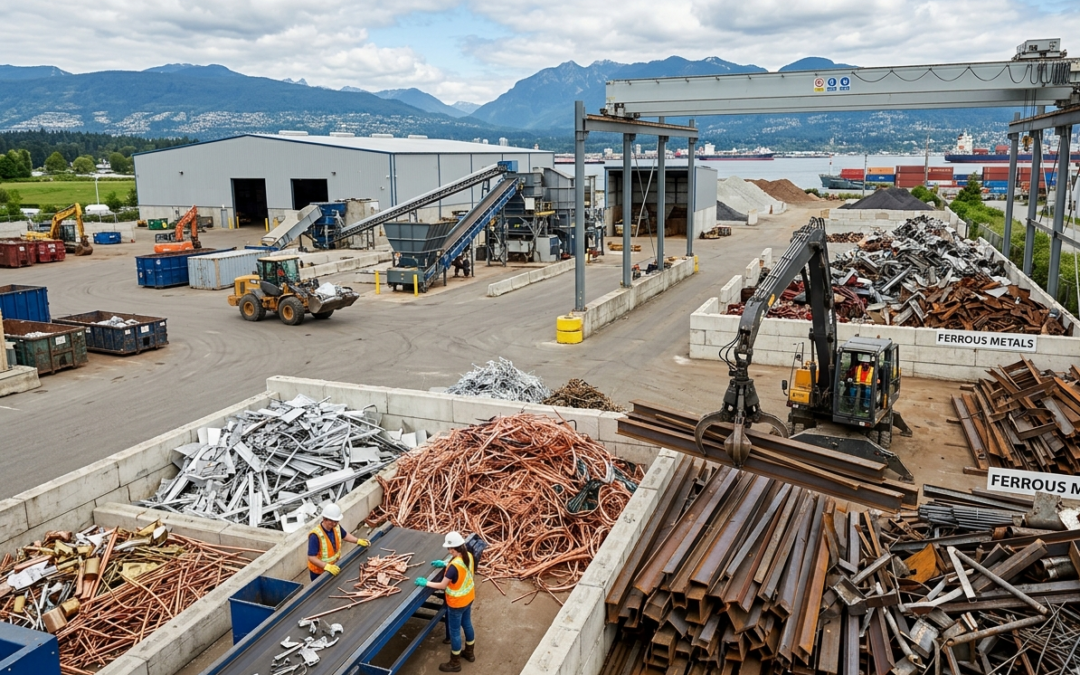
Ferrous metals are metals that contain iron as their primary component. Because of their iron content, these metals are typically magnetic and known for their strength and durability.
Ferrous metals are commonly used in construction, manufacturing, automotive applications, and industrial equipment.
Common Examples of Ferrous Metals
- Steel
- Carbon Steel
- Cast Iron
- Wrought Iron
- Stainless Steel (most types)
- Structural Steel Beams
- Reinforcing Steel (Rebar)
- Heavy Machinery Components
Characteristics of Ferrous Metals
- Contain iron
- Usually magnetic
- Strong and durable
- Susceptible to rust and corrosion when exposed to moisture
- Widely used in construction and manufacturing
What Are Non-Ferrous Metals?
Non-ferrous metals do not contain significant amounts of iron. These metals are generally lighter, more corrosion-resistant, and often more valuable in the recycling market.
Because they do not rust easily, non-ferrous metals are commonly used in electrical systems, plumbing, roofing, aerospace, and consumer products.
Common Examples of Non-Ferrous Metals
- Aluminum
- Copper
- Brass
- Bronze
- Lead
- Zinc
- Nickel
- Titanium
Characteristics of Non-Ferrous Metals
- Little or no iron content
- Usually non-magnetic
- Corrosion resistant
- Lightweight
- Highly recyclable
- Often have a higher scrap value
Why Does the Difference Matter in Metal Recycling?
Proper classification helps recycling facilities process materials more efficiently and recover valuable resources.
Improved Recycling Efficiency
Separating ferrous and non-ferrous metals helps recyclers streamline sorting and processing operations.
Increased Material Recovery
Accurate sorting allows more metals to be reused in manufacturing rather than ending up in landfills.
Better Environmental Outcomes
Metal recycling reduces the need to mine raw materials, thereby lowering environmental impact and energy consumption.
Higher Scrap Value
Many non-ferrous metals, particularly copper and brass, command higher market values than ferrous metals.
How to Identify Ferrous and Non-Ferrous Metals
One of the easiest ways to identify metal types is by using a magnet.
Magnet Test
If the metal attracts a magnet, it is likely ferrous.
If it does not attract a magnet, it is often non-ferrous.
Visual Inspection
- Copper has a reddish appearance.
- Aluminum is lightweight and silver-colored.
- Brass typically appears yellow or gold.
- Steel is generally heavier and often magnetic.
Professional Assessment
When in doubt, professional recycling facilities can help identify and sort materials accurately.
Common Sources of Ferrous Metals
Many everyday items contain ferrous metals.
Household Sources
- Old appliances
- Filing cabinets
- Barbecues
- Tools
- Steel shelving
Commercial Sources
- Office furniture
- Equipment frames
- Manufacturing scrap
- Warehouse shelving
Construction Sources
- Structural steel
- Rebar
- Metal studs
- Demolition materials
Common Sources of Non-Ferrous Metals
Non-ferrous metals are often found in high-value recyclable materials.
Residential Sources
- Aluminum siding
- Beverage cans
- Copper plumbing
- Old wiring
Commercial Sources
- HVAC systems
- Electrical components
- Communication cables
- Roofing materials
Industrial Sources
- Manufacturing scrap
- Equipment parts
- Specialty alloys
The Role of Metal Recycling in Vancouver
As Vancouver continues to prioritize sustainability and environmental responsibility, metal recycling Vancouver remains an important part of responsible waste management.
Recycling scrap metal helps:
- Reduce landfill waste
- Conserve natural resources
- Lower greenhouse gas emissions
- Support the circular economy
- Reduce manufacturing energy consumption
For businesses managing commercial waste recycling, metal can also help reduce disposal costs while supporting environmental goals.
Can Ferrous and Non-Ferrous Metals Be Recycled Together?
While both types can be recycled, they should ideally be separated before processing.
Mixed loads often require additional sorting, which can increase processing time and reduce efficiency.
Working with a professional recycling company Vancouver ensures materials are handled properly and recycled responsibly.
Choose Canadian Empire Recycling for Metal Recycling in Vancouver
Whether you’re recycling construction materials, industrial scrap, household metals, or managing commercial waste recycling Vancouver needs, Canadian Empire Recycling provides dependable recycling solutions.
Our team helps homeowners, contractors, property managers, and businesses responsibly recycle ferrous and non-ferrous metals while supporting sustainability initiatives and waste reduction goals.
Why Choose Canadian Empire Recycling?
- Ferrous & Non-Ferrous Metal Recycling
- Commercial Metal Recycling Services
- Construction & Demolition Recycling
- Industrial Scrap Metal Recycling
- Reliable Collection & Processing
- Environmentally Responsible Solutions
Looking to recycle scrap metal in Vancouver? Contact Canadian Empire Recycling & Disposal today to learn more about our metal recycling services and request a quote.
Frequently Asked Questions
Is stainless steel ferrous or non-ferrous?
Most stainless steel contains iron and is considered a ferrous metal, although some grades have unique properties.
How can I tell if a metal is ferrous?
Using a magnet is often the quickest method. Ferrous metals usually attract magnets.
Can rusty metal still be recycled?
Yes. Rusty ferrous metals can generally still be accepted and processed by recycling facilities.
Can businesses recycle large quantities of metal?
Absolutely. Many recycling companies offer commercial metal recycling services for businesses, contractors, and industrial facilities.