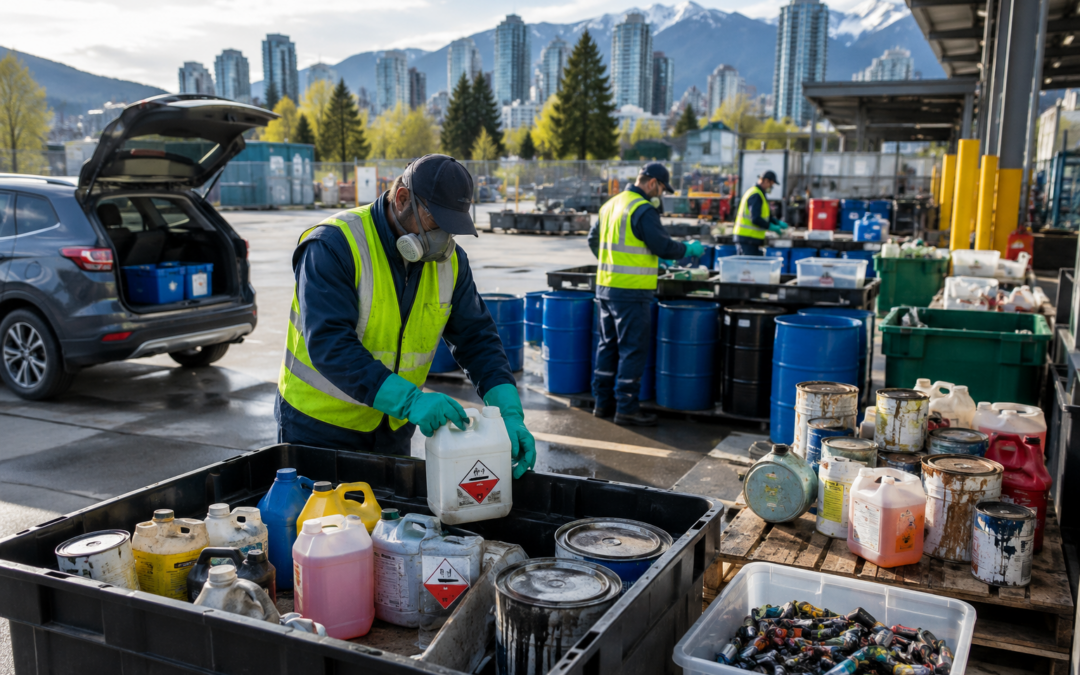
Hazardous waste disposal regulations are becoming increasingly important as environmental protection standards continue to evolve across British Columbia. Many homeowners are unaware that common household products such as paint, batteries, pesticides, motor oil, cleaning chemicals, fluorescent bulbs, and electronic waste are classified as hazardous materials and cannot be disposed of through regular garbage collection.
Improper disposal practices can create serious environmental risks, contaminate groundwater systems, damage ecosystems, and expose residents to harmful chemicals. Vancouver authorities continue to strengthen waste management regulations to reduce pollution and encourage safer disposal methods for residential properties.
Understanding local hazardous waste disposal requirements helps homeowners avoid environmental violations while protecting public health and community safety.
What Is Considered Hazardous Household Waste?
Hazardous household waste Vancouver includes products that are flammable, corrosive, toxic, or reactive. These materials often contain chemicals that require specialized handling and disposal methods.
Common hazardous household waste items include:
- Paints and solvents
- Automotive fluids
- Batteries and electronics
- Aerosol cans
- Pool chemicals
- Pesticides and fertilizers
- Cleaning products
- Fluorescent tubes and bulbs
- Propane cylinders
- Adhesives and sealants
Many homeowners mistakenly throw these items into standard trash bins, creating potential contamination risks at landfills and waste processing facilities.
Why Vancouver Has Strict Disposal Regulations
Vancouver places strong emphasis on environmental sustainability and waste reduction initiatives. Hazardous materials can release toxic substances into soil and water systems if disposed of improperly. Some chemical waste Vancouver may also create dangerous reactions when mixed with general household waste.
Strict disposal regulations help:
- Prevent groundwater contamination
- Reduce toxic air emissions
- Protect wildlife habitats
- Improve public health and safety
- Minimize landfill pollution
- Encourage recycling and recovery programs
These regulations are part of broader environmental efforts across British Columbia aimed at creating more sustainable communities.
Understanding Local Disposal Requirements
Homeowners are responsible for ensuring hazardous waste is separated from regular garbage before disposal. Certain materials must be transported to approved recycling or disposal facilities that are equipped to manage hazardous substances safely.
Professional Hazardous Waste Disposal Vancouver services help residents safely remove unwanted chemicals, contaminated materials, renovation waste, and hazardous household products while complying with environmental standards.
Improper disposal may result in fines, environmental penalties, or cleanup liabilities in some situations.
Common Disposal Mistakes Homeowners Make
Many hazardous waste problems occur because homeowners are unaware of proper disposal methods. Common mistakes include:
Pouring Chemicals Down Drains
Solvents, oils, and cleaning products may contaminate sewer systems and waterways.
Mixing Different Chemicals
Combining incompatible chemicals can create dangerous fumes or fire hazards.
Burning Hazardous Materials
Burning chemicals or treated materials releases toxic pollutants into the air.
Storing Old Chemicals Indefinitely
Aging containers may leak or deteriorate over time, increasing exposure risks.
Dumping Waste in Regular Garbage
Hazardous products placed in household garbage may contaminate landfill systems.
Avoiding these mistakes helps reduce environmental harm and supports safer waste management practices.
Renovation Projects and Hazardous Waste Risks
Home renovation and demolition projects often generate hazardous materials that homeowners may not expect. Older homes in Vancouver can contain:
- Lead-based paint
- Asbestos-containing materials
- Adhesives and sealants
- Treated wood
- Industrial coatings
- Solvents and construction chemicals
Improper handling of construction waste Vancouver can expose families and contractors to harmful substances. Homeowners should always identify potentially hazardous materials before beginning major renovation work.
Why Approved Drop-Off Facilities Matter
Authorized disposal depots are designed to safely process hazardous household materials while minimizing environmental risks. These facilities follow strict handling, storage, transportation, and recycling procedures.
Using a certified Hazardous Waste Drop-off Depot Vancouver location ensures chemicals and hazardous products are managed according to local environmental regulations.
Approved facilities may also recover recyclable components from batteries, electronics, paint containers, and other hazardous products to reduce landfill waste.
Environmental Consequences of Improper Disposal
Improper hazardous waste disposal can create long-term environmental damage that affects entire communities. Chemicals dumped into drains or landfills may eventually contaminate rivers, groundwater systems, and natural habitats.
Potential environmental impacts include:
- Soil contamination
- Water pollution
- Harm to wildlife
- Airborne toxic emissions
- Increased landfill hazards
- Fire and explosion risks
Vancouver’s environmental regulations are designed to reduce these risks while encouraging safer and more sustainable disposal practices.
How Professional Disposal Services Help Homeowners
Professional hazardous waste removal services provide homeowners with safer and more convenient disposal options. Experienced teams understand how to handle hazardous materials responsibly while complying with environmental standards.
Professional disposal services may assist with:
- Household chemical removal
- Garage and basement cleanouts
- Renovation waste disposal
- Paint and solvent disposal
- Electronics recycling
- Construction debris cleanup
These services help homeowners avoid accidental exposure and improper disposal practices.
Safe Storage Tips Before Disposal
If hazardous materials cannot be disposed of immediately, safe storage is essential.
Homeowners should:
- Keep materials in original containers
- Store chemicals away from heat and sunlight
- Seal containers tightly
- Separate incompatible products
- Keep hazardous materials away from children and pets
- Clearly label unknown substances when possible
Proper storage reduces leak risks and helps improve transportation safety during disposal.
The Future of Hazardous Waste Management in Vancouver
Vancouver continues to expand its sustainability initiatives and environmental protection programs. More homeowners are becoming aware of the importance of proper hazardous waste disposal as communities prioritize cleaner waste management systems.
Advancements in recycling technology, waste recovery programs, and environmental education are helping reduce hazardous contamination throughout the region. Future regulations may continue encouraging waste diversion, safer disposal practices, and improved environmental accountability for both residents and businesses.
Responsible hazardous waste management plays an important role in protecting the natural environment and supporting healthier communities.
For safe and reliable hazardous waste removal support, Canadian Empire Recycling & Disposal provides professional disposal solutions for residential cleanup projects, renovation debris, hazardous household materials, and contaminated waste handling. Their experienced team helps homeowners manage waste responsibly while following environmental safety standards. Whether you require hazardous material removal, cleanup assistance, or specialized disposal services, contact Canadian Empire Recycling & Disposal for dependable support for properties and the surrounding areas.
Frequently Asked Questions(FAQs)
Can hazardous waste go into regular garbage bins?
No. Hazardous materials should never be disposed of in regular household garbage because they can contaminate landfills and water systems.
Why are hazardous waste regulations important in Vancouver?
The regulations help protect public health, reduce pollution, and prevent environmental contamination throughout Vancouver communities.
What should homeowners do before renovating older homes?
Homeowners should inspect for hazardous materials such as asbestos, lead paint, and industrial chemicals before beginning renovations.
Why should I use professional hazardous waste disposal services?
Professional disposal services help ensure hazardous materials are handled safely, transported properly, and disposed of according to environmental regulations.