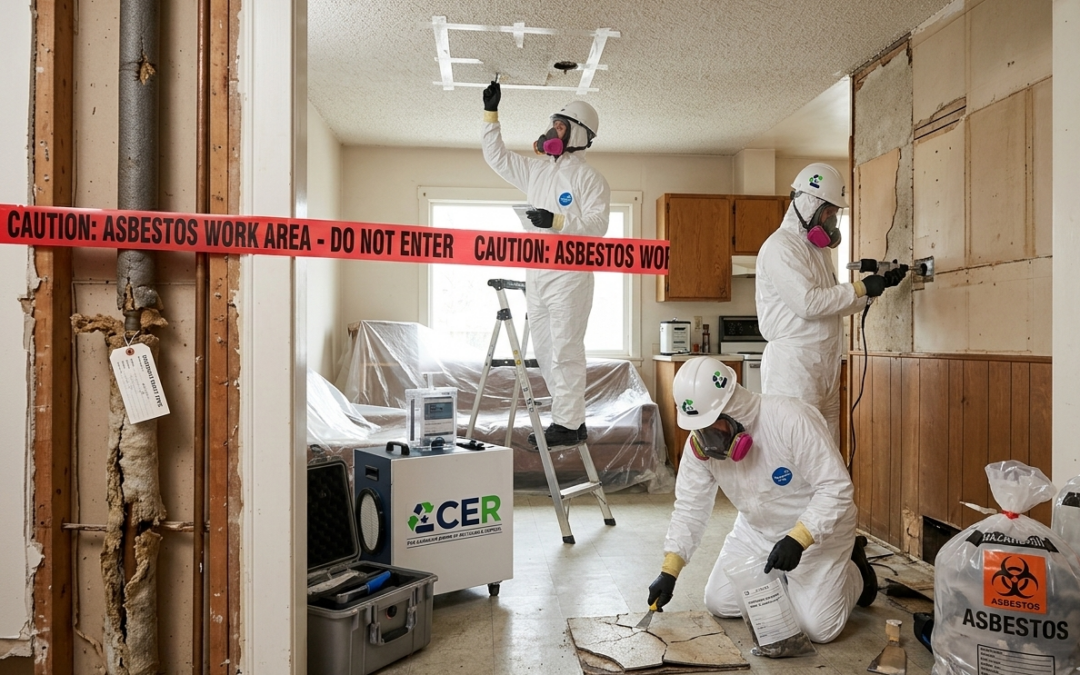
Asbestos was once considered a miracle building material because of its durability, fire resistance, and insulating properties. For decades, it was widely used in residential construction across Canada, including many homes throughout Vancouver. Although asbestos use has been heavily restricted and banned in modern construction, older properties may still contain asbestos-containing materials hidden behind walls, ceilings, floors, and roofing systems.
Homeowners planning renovations, repairs, or demolition projects should understand where asbestos may be present and why proper handling is essential. Disturbing asbestos-containing materials can release microscopic fibers into the air, creating serious health risks for occupants and workers. Knowing the common locations of asbestos can help Vancouver residents protect their families and comply with environmental regulations.
What Is Asbestos?
Asbestos is a naturally occurring mineral composed of tiny heat-resistant fibers. Because it offered excellent insulation and fireproofing characteristics, manufacturers incorporated asbestos into thousands of building products throughout the twentieth century.
When asbestos-containing materials remain intact and undisturbed, they may not pose an immediate hazard. However, cutting, drilling, sanding, breaking, or removing these materials can release dangerous fibers into the air, where they can be inhaled.
Long-term exposure has been linked to serious respiratory illnesses, making professional assessment and disposal crucial whenever asbestos is suspected.
Why Vancouver Homeowners Should Be Concerned
Many homes built before the 1990s in Vancouver may contain asbestos in one or more building components. Renovation projects such as kitchen upgrades, bathroom remodels, flooring replacement, or basement finishing can accidentally disturb hidden asbestos materials.
Because asbestos fibers are invisible to the naked eye, homeowners often do not realize they have been exposed until materials are tested. Professional inspection and laboratory analysis are the safest ways to determine whether asbestos is present before starting any renovation work.
Asbestos in Insulation Materials
One of the most common places asbestos may be found is in insulation.
Older homes frequently used asbestos-containing insulation around:
- Attics
- Pipes
- Boilers
- Ductwork
- Hot water tanks
Vermiculite attic insulation is particularly concerning because some historical products were contaminated with asbestos fibers during manufacturing. If your attic contains loose-fill insulation installed decades ago, professional testing is highly recommended before any renovation or cleanup project.
Asbestos in Vinyl Floor Tiles
Many homes built between the 1950s and 1980s contain vinyl floor tiles manufactured with asbestos.
These tiles were valued for their:
- Durability
- Moisture resistance
- Fire resistance
- Low maintenance requirements
The adhesive used beneath flooring materials may also contain asbestos. Removing old flooring without proper precautions can release fibers into the air, making professional removal essential.
Asbestos in Ceiling Textures and Popcorn Ceilings
Decorative textured ceilings, commonly known as popcorn ceilings, frequently contained asbestos in older homes.
These ceilings became popular because they:
- Reduced noise transmission
- Concealed imperfections
- Added fire-resistant properties
When scraped, sanded, or repaired, textured ceilings can release hazardous fibers. Homeowners considering ceiling renovations should have older textures tested before beginning work.
Asbestos in Drywall and Joint Compound
While drywall panels themselves may not always contain asbestos, many joint compounds, patching materials, and drywall finishing products manufactured before the 1990s included asbestos fibers.
These materials were commonly used around:
- Wall seams
- Ceiling joints
- Corner finishing
- Surface repairs
Even small renovation projects involving wall removal can expose asbestos-containing compounds hidden beneath paint layers.
Asbestos in Roofing Materials
Roofing products were another major application for asbestos due to their resistance to heat and weather damage.
Potential asbestos-containing roofing materials include:
- Roofing felt
- Asphalt shingles
- Roof coatings
- Flashing compounds
- Sealants
Homeowners replacing older roofs should ensure materials are properly evaluated before removal begins.
Asbestos in Cement Products
Asbestos cement products were commonly installed in residential construction because they provided strength and durability.
Examples include:
- Exterior siding panels
- Cement pipes
- Roofing sheets
- Foundation components
Although these materials are generally stable when intact, deterioration, cutting, or demolition can release dangerous asbestos fibers.
Asbestos Around Heating Systems
Many heating systems installed decades ago utilized asbestos insulation and protective materials.
Potential locations include:
- Furnace ducts
- Boiler insulation
- Pipe wrapping
- Heat shields
- Ventilation systems
Because these materials often deteriorate over time, professional inspection is recommended for older homes undergoing upgrades or repairs.
Asbestos in Wall and Ceiling Panels
Some decorative wall panels and ceiling boards manufactured before asbestos restrictions may contain asbestos fibers.
These products were commonly chosen for:
- Fire protection
- Acoustic insulation
- Structural reinforcement
Homeowners removing paneling during renovations should proceed cautiously and arrange testing before disturbing older materials.
Asbestos in Adhesives and Sealants
Many construction adhesives and sealants once contained asbestos to improve strength and heat resistance.
These products may still exist in:
- Flooring adhesives
- Window caulking
- Roofing sealants
- Tile mastics
While often overlooked, these materials can become hazardous during renovation activities that involve scraping or removal.
Health Risks Associated with Asbestos Exposure
Exposure to airborne asbestos fibers can have serious long-term consequences.
Potential health conditions include:
- Asbestosis
- Lung cancer
- Mesothelioma
- Chronic respiratory diseases
Symptoms may not appear for decades after exposure, which is why prevention and proper handling remain critical.
Safe Removal and Disposal Procedures
If asbestos-containing materials are identified, homeowners should avoid disturbing them and seek professional assistance immediately.
Safe asbestos management typically includes:
- Material testing and assessment
- Containment of affected areas
- Specialized protective equipment
- Controlled removal procedures
- Approved transportation and disposal
Professional Asbestos Waste Disposal Vancouver services ensure materials are handled according to environmental regulations and disposed of at authorized facilities.
Importance of Proper Hazardous Waste Management
Asbestos is classified as hazardous waste and requires specialized handling throughout the disposal process.
Professional Hazardous Waste Disposal Vancouver services help homeowners:
- Meet legal requirements
- Protect indoor air quality
- Prevent environmental contamination
- Reduce health risks
- Ensure regulatory compliance
Attempting to dispose of asbestos through regular garbage collection can result in fines and environmental hazards.
Bin Rentals for Renovation Projects
Large renovation and demolition projects often generate significant amounts of contaminated debris.
Professional Bin Rental Services Vancouver can provide appropriate containers specifically designed for construction waste management. Proper bins help maintain a safe worksite while ensuring waste materials are collected and transported efficiently for disposal.
Combining bin rental services with professional asbestos handling creates a safer and more organized renovation process.
Protect Your Property with Professional Assistance
Because asbestos is often hidden behind walls, ceilings, flooring, and insulation, professional assessment is the safest approach before beginning renovations in older Vancouver homes. Early identification helps prevent accidental exposure and allows projects to proceed safely and legally.
Contact Canadian Empire Recycling & Disposal
If you suspect asbestos-containing materials in your home, Canadian Empire Recycling & Disposal offers dependable waste management solutions for residential and commercial projects throughout Vancouver. Their experienced team can assist with asbestos waste handling, hazardous material disposal, recycling services, and construction waste management. Contact Canadian Empire Recycling & Disposal to ensure your renovation or demolition project is completed safely, responsibly, and in compliance with all applicable regulations.
Asbestos can still be found in many older Vancouver homes, often hidden within insulation, flooring, roofing, drywall compounds, cement products, and heating systems. While these materials may appear harmless, disturbing them during renovations can release dangerous fibers into the air.
Understanding where asbestos is commonly located allows homeowners to take the necessary precautions before starting any project. Through professional testing, proper removal methods, and responsible disposal practices, Vancouver residents can protect their families, workers, and the environment from the risks associated with asbestos exposure.
Frequently Asked Questions (FAQs)
Are all older Vancouver homes likely to contain asbestos?
Not all homes contain asbestos, but properties built before the 1990s have a higher likelihood of containing asbestos in various building materials.
Is asbestos dangerous if left undisturbed?
Generally, intact asbestos materials pose less risk. Problems occur when materials are damaged, cut, drilled, or disturbed, releasing fibers into the air.
Can I remove asbestos myself?
Professional removal is strongly recommended because specialized procedures and protective equipment are required to prevent exposure and contamination.
Where should asbestos waste be disposed of?
Asbestos must be transported to approved facilities through authorized disposal services that follow environmental and hazardous waste regulations.