
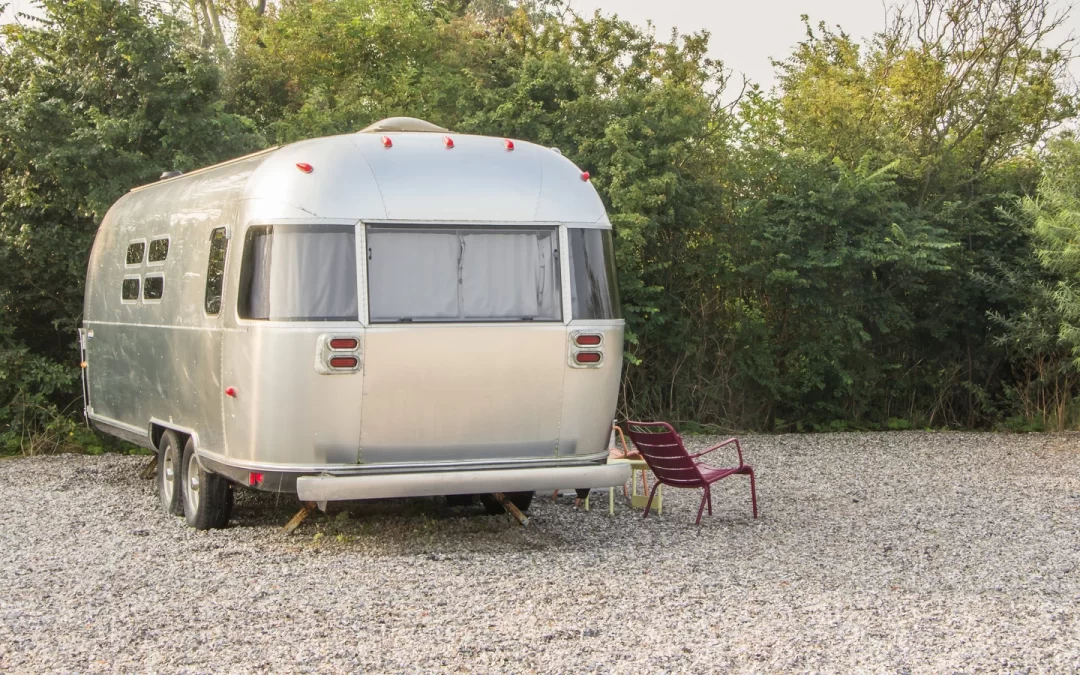
When your old boat, camper, or RV reaches the end of its life, you might find yourself asking, “What now?” Disposing of large vehicles and recreational equipment isn’t as simple as taking them to the dump. These items often contain materials like fiberglass, fuel, oil, metal, and plastics that require special handling to protect the environment. In Nanaimo, where the natural beauty of the coast and surrounding forests is part of daily life, it’s essential to dispose of old vehicles responsibly.
Whether your boat has been sitting unused in your yard or your RV no longer runs, there are several safe and eco-friendly ways to get rid of them — and even recover some value in the process. Let’s look at how to manage Boat/ Camper / RV Disposal effectively and responsibly.
Why Proper Disposal Matters
Improperly dumping an old RV, camper, or boat can have serious consequences. These vehicles contain materials that can leak harmful chemicals into the soil or water, including oil, coolant, and fuel residue. Boats often have fiberglass hulls that don’t decompose easily, while RVs and campers include metals, wiring, and foam insulation that can cause environmental harm if not handled correctly.
Proper disposal ensures that valuable materials are recycled, hazardous waste substances are contained, and reusable parts don’t go to waste. Nanaimo residents have access to specialized recycling and disposal services that help reduce the impact of these large and complex items. By choosing the right disposal method, you help keep the city’s harbors, parks, and neighborhoods clean and green.
Assess the Condition of Your Vehicle
Before you decide how to dispose of your old boat or RV, evaluate its condition. Some older models might still have parts or components that can be reused, refurbished, or sold. For example:
- Engines and motors can often be resold if they’re still functional.
- Metal parts, such as aluminum or steel, can be recycled.
- Furniture and fixtures inside campers or RVs can be reused in other builds or renovations.
If the vehicle is beyond repair or restoration, disposal or recycling becomes the best option. In that case, it’s important to work with a professional service that knows how to dismantle and handle large recreational vehicles safely.
Consider Selling or Donating
If your boat or RV is still in working condition, selling or donating it might be the easiest and most sustainable choice. Many nonprofit organizations and outdoor programs accept older RVs or boats that can be refurbished and used for training or community projects.
You can also post your vehicle on online marketplaces or local classifieds to find interested buyers who may want to restore it for personal use. Selling or donating prevents waste and gives your vehicle a second life, a great win for sustainability and community benefit.
Recycling Your Old Boat, Camper, or RV
Recycling is one of the most effective ways to dispose of these large vehicles responsibly. Specialized recyclers can dismantle the structure, separating metals, plastics, glass, and electronics for proper reuse.
For example:
- Metal parts such as steel frames, axles, and wheels are melted down and reused in new products.
- Fiberglass from boats can be crushed and repurposed for construction materials.
- Batteries, wires, and electrical components are processed separately to recover valuable metals.
This process not only reduces landfill waste but also conserves natural resources. Many recycling services work with local environmental programs to ensure compliance with provincial waste regulations.
De-register and Prepare for Disposal
Before you hand over your boat or RV for disposal, you’ll need to handle some paperwork and preparation. This includes:
- De-registering the vehicle with Transport Canada (for boats) or ICBC (for RVs).
- Removing all personal belongings and hazardous items such as propane tanks or batteries.
- Draining fluids like fuel, oil, or coolant to prevent leaks during transport.
- Collecting ownership documents in case proof of disposal is required.
Following these steps ensures a smooth and legal transfer of ownership and prevents environmental contamination during transport or processing.
Local Disposal Services
Nanaimo has several authorized facilities and disposal services that accept old boats, campers, and RVs. These organizations specialize in safely dismantling and recycling large vehicles, ensuring that all hazardous materials are properly managed.
By using certified services, you help reduce illegal dumping, a problem that affects both urban and coastal areas. Abandoned boats and RVs can be costly to remove and cause damage to natural habitats. Choosing a responsible disposal method helps protect the environment and keeps local communities clean.
How Canadian Empire Recycling Helps
When it comes to safe and responsible disposal, Canadian Empire Recycling is one of the trusted names in sustainable waste management across British Columbia. The company provides efficient and eco-conscious disposal services for a wide range of materials, including boats, campers, and RVs.
Their team ensures that reusable parts are salvaged, hazardous materials are handled safely, and recyclable components are properly processed. This approach reduces waste, prevents pollution, and supports environmental goals.
By partnering with Canadian Empire Recycling, residents and businesses can easily manage large vehicle disposal without the stress of navigating complex regulations. The company’s experience and commitment to sustainability make it a top choice for anyone looking to dispose of bulky, environmentally sensitive items.
Making the Right Choice for Nanaimo’s Future
Getting rid of a Boat/ Camper / RV Disposal Nanaimo doesn’t have to be complicated; it just requires responsible action. Whether you choose to recycle, sell, or donate, each choice plays a part in reducing environmental harm and promoting a cleaner community.
With the help of reliable local services, contact Canadian Empire Recycling, and residents can ensure their old vehicles are disposed of safely, efficiently, and in an environmentally friendly way.