
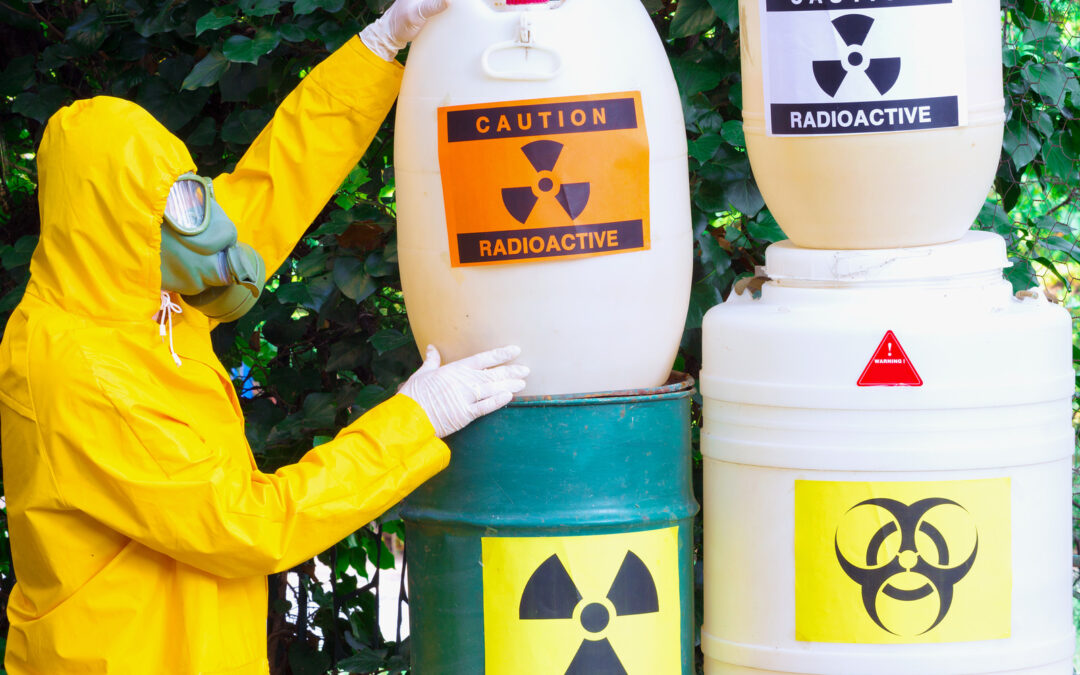
A commercial facility can generate many types of waste during normal operations—used oils, chemicals, contaminated materials, batteries, solvents, paints, and other substances that cannot simply be placed with regular garbage.
The challenge often begins when that waste starts accumulating.
A few containers in a maintenance area can quickly become a larger waste-management issue, especially when employees are unsure what can be stored together, how materials should be prepared for pickup, or where the waste should ultimately go.
For Nanaimo businesses, preparing hazardous waste before the waste truck arrives can make the removal process more organized and help reduce avoidable handling problems.
Start by Knowing What You Actually Have
The first step is not calling for a pickup.
It is identifying the waste.
Different commercial operations can produce very different hazardous waste streams. A manufacturing facility may generate chemicals or contaminated materials, while an automotive operation may have waste oils, solvents, batteries, or related products.
A warehouse, contractor, property manager, or maintenance department may encounter hazardous materials in a completely different form.
Before arranging disposal, businesses should create a basic inventory that answers:
- What material is being discarded?
- How much is there?
- Is it liquid, solid, or another form?
- Is the original product label available?
- Is the container damaged or leaking?
- Are different materials being stored separately?
- Does the waste require special handling or transportation?
Knowing what is actually being shipped is important because BC’s Hazardous Waste Regulation includes requirements around identifying hazardous waste, transportation, manifests, containers, and authorized receiving facilities.
Don’t Treat Every Waste Container the Same
One of the most important principles in commercial hazardous waste management is avoiding the assumption that everything can go into one container.
Different substances may have different physical and chemical characteristics.
Mixing incompatible materials can create serious risks, including unwanted chemical reactions, releases, or contamination.
BC regulations prohibit mixing or diluting hazardous waste in ways that evade the regulation, reinforcing the need to manage waste according to its characteristics rather than simply combining materials for convenience.
For businesses, that means waste identification should happen before consolidation or packaging.
When in doubt, keep materials separated until their compatibility and disposal requirements have been confirmed.
What Should Be Ready Before Pickup?
A waste pickup can go much more smoothly when the site is prepared in advance.
Before the scheduled collection, businesses can review:
Waste identification
Make sure each waste stream is clearly identified and that available product or safety information is retained.
Containers
Check that containers are suitable for the material, securely closed, in good condition, and not leaking.
BC requirements state that hazardous waste must be stored or transported in a way that prevents it from leaking or escaping into the environment.
Labels
Labels and markings need to accurately communicate what is being transported. The applicable requirements can vary depending on the waste and transportation rules.
Quantity
Estimate or measure the amount being prepared for disposal.
Quantity can affect regulatory requirements, including whether specific transportation or manifest provisions apply.
Access
Make sure the collection area is accessible to the person or vehicle handling the waste and that unnecessary obstacles have been removed.
These simple preparations can reduce confusion on pickup day.
Why Regular Commercial Waste Disposal Is Different
Businesses sometimes assume that hazardous material can simply be added to their regular commercial waste stream.
That can create problems.
Commercial Waste Disposal Nanaimo can involve ordinary business waste, but hazardous materials require additional consideration.
For example, cardboard, packaging, office waste, and general debris may have completely different disposal pathways from chemical products, waste oils, contaminated materials, or other regulated waste.
Keeping hazardous waste separate from ordinary commercial waste helps the business maintain clearer waste streams and makes it easier to determine the appropriate disposal route.
What Happens After Hazardous Waste Leaves Your Business?
Disposal is more than getting the material out of the building.
Depending on the waste stream, hazardous waste may need to be transported to an appropriate authorized facility, with documentation and handling requirements applying to the shipment.
BC’s regulations include requirements concerning authorized consignees, transportation, manifests, container labelling, and receiving facilities.
This is why businesses should understand the complete waste pathway before scheduling a pickup.
A useful question is:
“Where is this waste going after it leaves our site?”
Knowing the answer helps businesses distinguish responsible disposal from simply moving the problem somewhere else.
Hazardous Waste Storage Shouldn’t Become Permanent
Commercial facilities sometimes end up storing waste longer than expected because disposal arrangements were never scheduled.
That can create unnecessary operational and safety concerns.
If hazardous materials must remain on-site temporarily, businesses should ensure they are stored appropriately and protected from damage, weather, leaks, and unauthorized exposure.
For certain hazardous waste storage facilities, BC regulations include specific requirements such as spill containment, protection from weather, ventilation, and inspection provisions.
The exact requirements depend on the type and quantity of waste and the nature of the facility, so businesses should determine the applicable requirements rather than assuming one storage method applies to every situation.
Common Commercial Hazardous Waste Streams
Different industries produce different hazardous waste.
Some examples can include:
- Used oil and petroleum-related waste
- Solvents and chemical products
- Certain paints and coatings
- Batteries
- Contaminated absorbents
- Chemical containers
- Laboratory or industrial chemicals
- Certain contaminated construction materials
- Other regulated commercial hazardous materials
Not every discarded product automatically qualifies as hazardous waste.
Classification depends on the material and applicable regulatory criteria, which is why businesses should identify their waste before deciding how it should be handled.
What Should Nanaimo Businesses Ask a Disposal Provider?
Before arranging Hazardous Waste Disposal Nanaimo, it helps to ask specific questions rather than simply requesting a waste pickup.
Can you accept this specific waste?
A provider should know what material is being offered and whether it falls within the services they handle.
How should we package it?
Different materials can require different containers or preparation methods.
Do we need documentation?
Depending on the waste type, quantity, and transportation circumstances, documentation or manifest requirements may apply.
Where will the material be taken?
Understanding the receiving facility and disposal pathway provides greater transparency.
What should remain separate?
If a business has multiple hazardous waste streams, ask whether they need separate containers or handling arrangements.
These questions can help prevent last-minute changes on pickup day.
Don’t Wait Until the Container Is Full
A common operational mistake is waiting until hazardous waste becomes a major accumulation before thinking about disposal.
A better approach is to monitor waste generation as part of regular facility management.
Businesses can establish:
A waste inventory — Know what materials are accumulating.
A storage review — Check containers, labels, and storage conditions.
A pickup schedule — Avoid unnecessary accumulation.
A disposal record — Keep relevant documentation organized.
A responsibility plan — Make sure employees know who manages hazardous waste arrangements.
This creates a repeatable process rather than treating every pickup as an emergency.
How Commercial Operations Can Reduce Waste Problems
Disposal is only one part of hazardous waste management.
Businesses can also reduce future waste-management challenges by reviewing purchasing and storage practices.
For example, ordering only the amount of a chemical product that is realistically required can reduce leftover material. Keeping products properly labelled can make future identification easier. Maintaining an organized storage area can also help employees recognize damaged or expired containers before they become a larger problem.
These are operational improvements that can complement professional disposal.
When You Need Commercial Hazardous Waste Disposal in Nanaimo
If your business has accumulated regulated chemicals, used oils, contaminated materials, or other hazardous waste, don’t wait until the collection vehicle is already on the way to figure out what happens next.
Identify the material, keep waste streams separated, check the condition of containers, prepare the required information, and confirm the appropriate disposal pathway in advance.
For businesses looking for Commercial Hazardous Waste Disposal Nanaimo, proper preparation can make the process more controlled and predictable.
The goal is not simply to remove waste from your property. It is to make sure the material is identified, handled, transported, and directed toward an appropriate disposal destination.
If your Nanaimo business needs help planning the next step for its hazardous waste, contact Canadian Empire Recycling & Disposal for discuss the waste stream and arrange an appropriate disposal solution.