
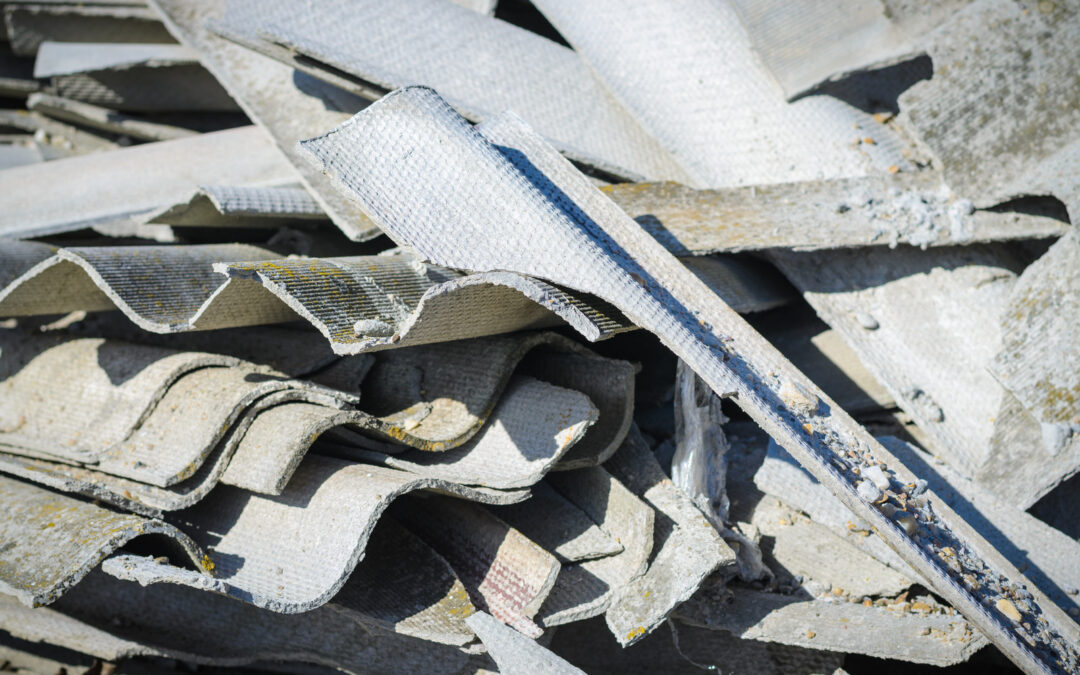
A commercial renovation can generate piles of drywall, flooring, insulation, roofing materials, old fixtures, and general construction debris. At first glance, it may all look like ordinary waste.
But in an older building, some of those materials may contain asbestos.
That can change how the waste needs to be handled.
The important distinction is that asbestos isn’t always an obvious material sitting in a clearly marked container. It can be present in older building products that contractors encounter during demolition, repair, or renovation work.
For Nanaimo businesses and contractors, understanding which renovation materials may require additional attention can help prevent asbestos-containing debris from being mixed into ordinary construction waste.
How Does Ordinary Renovation Debris Become Asbestos Waste?
The debris itself doesn’t suddenly become asbestos-containing simply because it came from a renovation.
The issue is whether the debris contains or has been contaminated by asbestos-containing materials.
For example, a renovation may involve removing an old floor covering, insulation, ceiling material, pipe insulation, or another building component. Once those materials are disturbed and removed, the resulting waste needs to be managed according to the requirements that apply to asbestos-containing material.
This is why a waste plan should begin before demolition—not when the truck is already waiting outside.
Older Buildings Deserve Extra Attention
The age and construction history of a building can influence the likelihood of encountering asbestos-containing materials.
Many older commercial properties have gone through several renovations over their lifetime. A building may have original materials in one area, newer replacements in another, and layers of older products hidden underneath more recent finishes.
A contractor looking only at the visible surface may therefore not know what is underneath.
Before disturbing suspect materials, appropriate assessment and planning should take place.
Which Renovation Materials Could Contain Asbestos?
Asbestos was used in a wide range of building products. Depending on the age and history of the property, contractors may encounter it in materials such as:
- Certain flooring materials and adhesives
- Insulation
- Pipe and mechanical insulation
- Some ceiling materials
- Drywall joint compounds
- Roofing products
- Cement-based building materials
- Siding
- Textured coatings
- Other older construction materials
The appearance of a material alone is not a reliable way to determine whether it contains asbestos.
If a material is suspected of containing asbestos, it should be addressed through the appropriate assessment and removal process before it becomes part of a general demolition waste stream.
Flooring Debris Can Be More Complicated Than It Looks
Old flooring is a good example of why renovation waste shouldn’t always be judged by appearance.
A contractor may remove a layer of vinyl flooring and discover older flooring underneath. Adhesives or backing materials may also be relevant.
Simply treating every layer as standard flooring debris can create problems if an underlying product has not been assessed.
For commercial renovations, identifying the materials before extensive removal begins can make the waste-management process much clearer.
Insulation and Mechanical Materials Need Attention Too
Insulation can appear throughout older commercial buildings, particularly around pipes, mechanical systems, walls, ceilings, and equipment.
Some older insulation products may contain asbestos.
The same applies to certain materials surrounding mechanical systems. During renovations involving heating, plumbing, or other building services, contractors may disturb materials that were not visible during the initial walkthrough.
That is why mechanical work in an older building should also be considered when developing an asbestos management plan.
Roofing and Exterior Materials Can Also Be Relevant
Asbestos-containing materials aren’t limited to what’s inside a building.
Certain older roofing, siding, and cement-based products may contain asbestos.
Commercial exterior renovations can therefore create a different type of waste stream from interior demolition.
Replacing old siding, removing roofing materials, or working on other exterior components should be planned with the age and condition of the existing materials in mind.
What About Drywall and Joint Compound?
Drywall itself isn’t automatically an asbestos material.
However, some older drywall systems and joint compounds may contain asbestos.
This is an important distinction because renovation crews can generate large amounts of drywall debris very quickly.
If suspect materials are present, the debris should not simply be mixed with other construction waste until the appropriate assessment and handling requirements have been addressed.
Contamination Can Change the Waste Stream
There is another reason separation matters.
A renovation may involve asbestos-containing materials alongside ordinary building debris. If those materials are broken, disturbed, or mixed together, other waste may become associated with the asbestos-removal work.
This is why contractors need a clear plan for maintaining separation and controlling the work area.
The objective is not simply to identify one asbestos-containing product. It is to prevent the renovation from creating an uncontrolled mixture of asbestos-related and general waste.
What Should Nanaimo Contractors Do Before Demolition?
A practical approach starts before the first wall, floor, or ceiling material is removed.
Review the Building’s History
Find out when the building was constructed and whether previous renovations are documented.
Identify Suspect Materials
Look at flooring, insulation, ceilings, roofing, siding, mechanical insulation, and other older building products that may be disturbed.
Arrange Appropriate Assessment
If asbestos is suspected, the material should be assessed through the appropriate process before workers disturb it.
Plan Separate Waste Streams
Determine how asbestos-related waste will be kept separate from ordinary construction debris.
Coordinate Disposal Early
Know what will happen to asbestos waste before removal begins rather than trying to arrange disposal after the material has already accumulated.
This preparation can help keep the renovation moving while reducing confusion about where different types of debris belong.
Don’t Treat an Asbestos Project Like a Regular Dumpster Job
A standard construction cleanup may involve filling a container with mixed renovation debris and sending it through the appropriate waste stream.
An asbestos-related project requires more planning.
The disposal arrangement needs to account for the nature of the material, how it is contained, how it is transported, and where it can be accepted.
For this reason, Asbestos Waste Disposal Nanaimo should be considered as part of the renovation plan when asbestos-containing materials are identified.
The goal is to prevent asbestos-related waste from being treated as ordinary demolition debris.
What Happens When Asbestos Waste Is Mixed With General Debris?
Mixing waste streams can create several problems.
First, workers may no longer have a clear understanding of which materials contain asbestos.
Second, a container intended for general construction waste may no longer be suitable for the mixed material.
Third, sorting contaminated debris after it has already been combined can be more complicated than keeping the materials separated from the beginning.
A planned waste stream is therefore much easier to manage than trying to correct a mixed load after demolition is complete.
Commercial Renovations Need a Waste Plan, Not Just a Demolition Plan
When businesses plan renovations, attention naturally goes toward schedules, contractors, materials, permits, and the finished space.
Waste is sometimes treated as a final detail.
Asbestos changes that approach.
If an older commercial property contains suspect building materials, the waste plan should be considered alongside the renovation schedule. Knowing what may be removed, how it will be handled, and where it will go can help contractors avoid unnecessary delays.
For property owners, it also creates a clearer process for dealing with materials that may otherwise become an unexpected issue during demolition.
A Small Material Can Change an Entire Waste Load
One of the biggest lessons for Nanaimo renovation projects is that asbestos doesn’t have to make up most of the debris to affect the waste plan.
A small amount of asbestos-containing material can require the project team to reconsider how related waste is separated, contained, transported, and disposed of.
That is why identifying potential asbestos before demolition is so important.
The earlier the issue is addressed, the easier it is to build it into the project’s workflow.
Plan for Asbestos Before the Debris Starts Piling Up
Renovation debris isn’t automatically hazardous—but in an older commercial building, you shouldn’t assume that every material is ordinary waste.
Flooring, insulation, roofing, siding, ceiling products, joint compounds, mechanical insulation, and other older materials may require closer attention when asbestos is suspected.
For Nanaimo businesses and contractors, the safest approach is to identify suspect materials before disturbing them, arrange appropriate assessment and removal, keep asbestos-related waste separate, and plan the disposal route before demolition begins.
If your commercial renovation is generating asbestos-containing materials, Canadian Empire Recycling & Disposal can help with asbestos waste disposal. Contact Canadian Empire Recycling & Disposal team to discuss your project and asbestos waste-management requirements.