
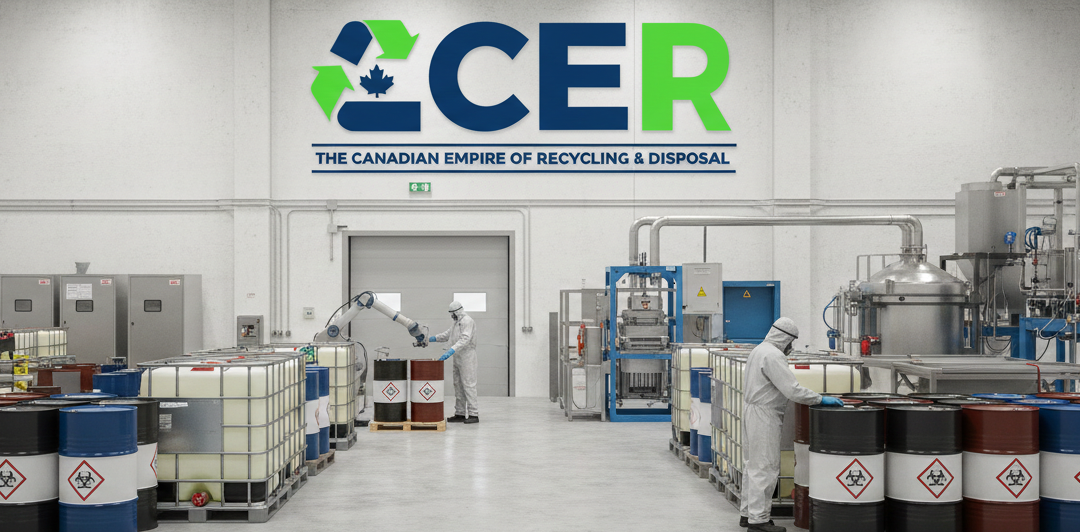
Hazardous waste plays a significant role in protecting public health and the environment when managed correctly. However, when hazardous materials are disposed of improperly, the consequences can be severe and long-lasting. In Nanaimo, where coastal ecosystems, groundwater sources, and residential communities are closely connected, improper hazardous waste disposal can cause widespread damage. Understanding what happens when hazardous waste is mishandled highlights why proper disposal practices are essential for businesses and residents alike.
Understanding Hazardous Waste
Hazardous waste includes materials that are flammable, toxic, corrosive, or reactive. Common examples include chemicals, solvents, paints, batteries, pesticides, fuels, asbestos-containing materials, and certain industrial by-products. These substances require specialized handling because they can harm people, animals, and the environment even in small quantities.
When hazardous waste is not managed correctly, it does not simply “go away.” Instead, it can migrate through soil, water, and air, creating serious risks far beyond the original disposal site.
Environmental Damage to Soil and Water
One of the most immediate consequences of improper hazardous waste disposal is environmental contamination. Toxic substances can seep into the soil, damaging plant life and reducing soil fertility. Over time, these contaminants may reach groundwater or nearby water bodies, affecting drinking water supplies and marine ecosystems.
Nanaimo’s proximity to coastal waters makes this especially concerning. Polluted runoff can harm fish populations, disrupt ecosystems, and negatively impact local industries that rely on clean water, such as fishing and tourism.
Risks to Human Health
Improperly disposed of hazardous waste poses direct health risks to residents and workers. Exposure to toxic substances can cause respiratory issues, skin irritation, neurological problems, and long-term illnesses such as cancer. Children, seniors, and individuals with weakened immune systems are particularly vulnerable.
Hazardous materials may release fumes, leak into basements, or contaminate air and surfaces. In commercial or industrial areas, improper disposal can expose employees to dangerous conditions, leading to workplace injuries or chronic health problems.
Legal and Financial Consequences
Improper hazardous waste disposal is not only dangerous but also illegal. Businesses and individuals who fail to follow regulations may face fines, penalties, cleanup costs, and legal action. Environmental remediation can be extremely expensive, often far exceeding the cost of proper disposal in the first place.
Failing to comply with Hazardous Waste Disposal Nanaimo regulations can also damage a business’s reputation, result in shutdowns, or lead to loss of operating licenses. Regulatory authorities take improper disposal seriously due to its potential impact on public safety.
Increased Fire and Explosion Hazards
Certain hazardous materials are highly flammable or reactive. When these substances are dumped improperly or mixed with incompatible waste, they can ignite, explode, or release toxic gases. This creates serious fire hazards in landfills, dumpsters, storage areas, and even residential neighborhoods.
Emergency response to hazardous waste fires is complex and dangerous, often requiring specialized equipment and trained personnel. These incidents put first responders and nearby communities at risk.
Harm to Wildlife and Ecosystems
Wildlife can be severely affected by improperly disposed of hazardous waste. Animals may ingest toxic substances directly or absorb them through contaminated water and food sources. Over time, toxins can bioaccumulate, moving up the food chain and affecting larger species, including humans.
Nanaimo’s natural surroundings make responsible waste handling critical. Protecting wildlife habitats depends on preventing hazardous materials from entering the environment.
Why Proper Drop-Off Locations Matter
Designated disposal facilities play a vital role in keeping hazardous materials out of landfills and natural areas. Using approved Hazardous Waste Drop Off Nanaimo locations ensures waste is handled, treated, or recycled according to strict environmental standards.
These facilities are equipped to manage hazardous materials safely, reducing the risk of leaks, spills, or exposure. Proper drop-off programs are a key part of community-wide environmental protection efforts.
The Role of Professional Waste Management Services
Professional hazardous waste disposal services ensure materials are collected, transported, and processed safely. These services follow provincial and federal regulations, maintain documentation, and use approved facilities to minimize environmental impact.
Canadian Empire Recycling supports responsible waste management by helping businesses and organizations understand proper disposal practices and reduce environmental risks through compliant waste diversion solutions.
Long-Term Community Impact
Improper hazardous waste disposal affects more than just the immediate area—it can impact communities for decades. Contaminated land may become unusable, property values can decline, and cleanup efforts may take years to complete.
By prioritizing proper disposal today, Nanaimo can protect its environment, economy, and public health for future generations.
If you’re looking for safe, compliant, and responsible hazardous waste solutions, Canadian Empire Recycling offers professional support for businesses and commercial operations. Their team focuses on environmentally responsible disposal practices that help prevent contamination, protect public health, and meet regulatory requirements.
Contact Canadian Empire Recycling today to learn more about proper hazardous waste disposal options and ensure your waste is handled the right way—safely, legally, and responsibly.