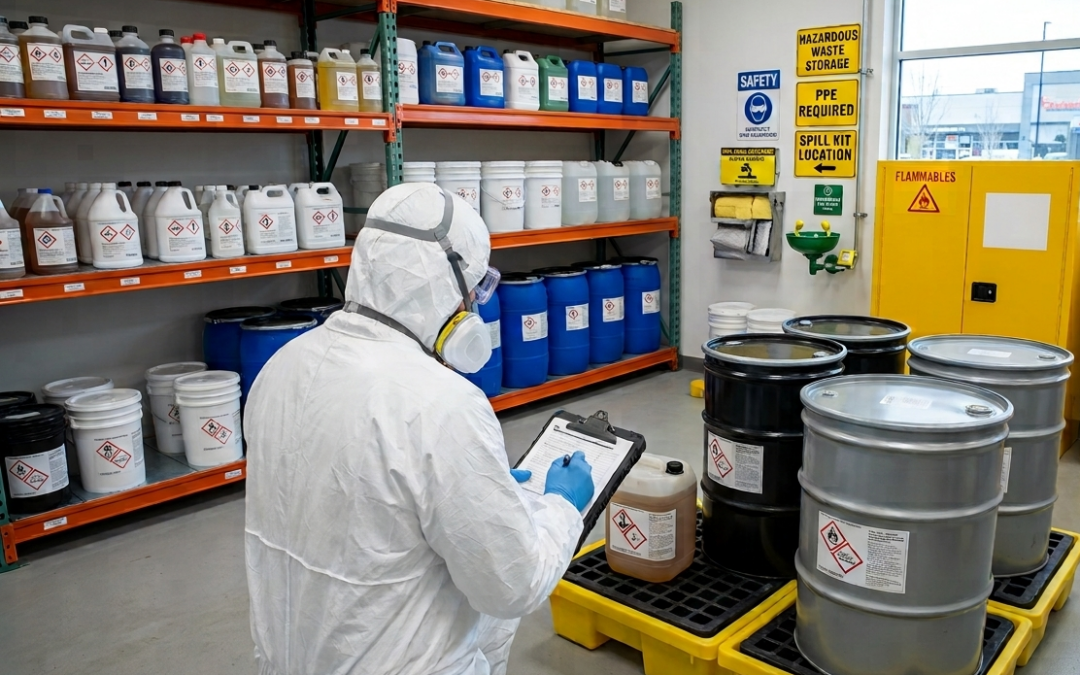
Commercial buildings often contain more hazardous materials than business owners realize. From cleaning agents stored in maintenance closets to expired laboratory chemicals and industrial solvents tucked away in storage rooms, hidden chemical waste can quietly accumulate over time. If these materials are overlooked, they can create serious environmental, legal, and workplace safety risks.
For businesses in Surrey, recognizing hidden chemical waste before it becomes a problem is an essential part of responsible facility management. Whether you manage an office complex, warehouse, manufacturing plant, retail space, healthcare facility, or educational institution, understanding where chemical waste may be hiding can help protect employees, reduce liability, and ensure compliance with local environmental requirements.
This guide explains how to identify hidden chemical waste in commercial properties and why partnering with a professional provider for Chemical Waste Disposal Surrey services is the safest solution.
Why Hidden Chemical Waste Is a Growing Concern
Many businesses assume hazardous waste only exists in factories or laboratories. In reality, commercial buildings across Surrey generate chemical waste through everyday operations.
Common sources include:
- Building maintenance products
- Industrial cleaning chemicals
- Paints, stains, and coatings
- Adhesives and sealants
- Automotive fluids
- Laboratory reagents
- Printing chemicals
- Pest control products
- Pool treatment chemicals
- Expired sanitation supplies
When these materials remain forgotten in storage rooms or mechanical areas, they can leak, degrade, or become unstable over time.
Proper hazardous waste disposal in Surrey begins with identifying these overlooked materials before they create safety hazards.
Areas Where Hidden Chemical Waste Is Commonly Found
Many commercial buildings have “out of sight, out of mind” spaces where chemicals accumulate.
Maintenance Rooms
Facility maintenance teams often store:
- Lubricants
- Degreasers
- Paint thinners
- Rust removers
- Solvents
- Floor stripping chemicals
Products purchased years ago may no longer be usable but continue occupying shelves.
Mechanical Rooms
Mechanical equipment requires chemicals for routine operation, including:
- Boiler treatment chemicals
- Cooling tower additives
- Water treatment products
- Refrigeration oils
Expired containers should never remain in service indefinitely.
Janitorial Storage Areas
Cleaning supplies frequently contain hazardous ingredients such as:
- Bleach
- Ammonia
- Acidic cleaners
- Disinfectants
- Industrial degreasers
Damaged containers or incompatible chemicals stored together increase workplace risks.
Warehouses
Warehouses often hold returned inventory, damaged products, or outdated chemical stock.
Examples include:
- Aerosol products
- Industrial adhesives
- Cleaning concentrates
- Fuel additives
- Packaging chemicals
Without regular inspections, these materials become forgotten hazardous waste.
Laboratories
Commercial laboratories generate:
- Chemical reagents
- Acids
- Bases
- Solvents
- Testing chemicals
Expired laboratory chemicals require specialized handling and Commercial Chemical Waste Disposal.
Construction and Renovation Storage
Following renovations, businesses frequently leave behind:
- Paint cans
- Epoxy products
- Grouts
- Concrete additives
- Waterproofing chemicals
- Sealants
Even partially used containers may qualify as hazardous waste.
Warning Signs That Chemical Waste Has Been Overlooked
Facility managers should regularly inspect buildings for warning signs such as:
- Unlabeled containers
- Rusted or corroded drums
- Leaking bottles
- Strong chemical odors
- Swollen containers
- Expired product labels
- Unknown liquids
- Improper storage locations
- Damaged packaging
- Mixed chemical containers
Any of these indicators should trigger a professional assessment.
Why Old Chemicals Become More Dangerous
Chemical waste changes over time.
Some chemicals:
- Become unstable
- Lose effectiveness
- Separate into hazardous compounds
- Build internal pressure
- Corrode containers
- React with moisture or air
Older chemicals should never be assumed safe simply because they have remained untouched.
Professional Commercial Hazardous Waste Disposal Surrey providers understand how aging chemicals must be handled safely.
Industries Most Likely to Generate Hidden Chemical Waste
Nearly every commercial industry in Surrey produces some form of hazardous waste.
These include:
- Manufacturing facilities
- Automotive repair shops
- Property management companies
- Schools and colleges
- Healthcare clinics
- Dental offices
- Restaurants
- Hotels
- Warehouses
- Construction companies
- Printing facilities
- Laboratories
Each industry generates different waste streams requiring specialized disposal methods.
How to Conduct a Chemical Waste Inspection
A structured inspection can reveal hidden hazards before they become emergencies.
Step 1: Create a Building Inventory
Document every location where chemicals are stored.
Include:
- Quantity
- Product name
- Purchase date
- Expiration date
- Storage condition
Step 2: Review Safety Data Sheets (SDS)
Compare stored products with their Safety Data Sheets.
This helps determine:
- Hazard classification
- Storage requirements
- Disposal recommendations
- Compatibility with nearby chemicals
Step 3: Check Storage Conditions
Inspect for:
- Heat exposure
- Moisture
- Direct sunlight
- Ventilation
- Container damage
Improper storage significantly increases risks.
Step 4: Separate Incompatible Chemicals
Certain chemicals should never be stored together.
Examples include:
- Acids and bases
- Oxidizers and fuels
- Bleach and ammonia
Segregating incompatible materials reduces accident potential.
Step 5: Schedule Professional Removal
Once unwanted chemicals have been identified, arrange professional collection instead of attempting disposal internally.
Common Mistakes Businesses Make
Many organizations unintentionally create hazardous situations by:
- Storing chemicals without labels
- Mixing waste products
- Pouring chemicals into drains
- Throwing chemical containers into the general garbage
- Ignoring expired inventory
- Delaying waste collection
- Keeping unknown chemicals “just in case”
Avoiding these mistakes helps reduce operational risks.
The Importance of Documentation
Businesses should maintain records of:
- Waste inventories
- Inspection schedules
- Collection dates
- Disposal manifests
- Employee training
- Storage procedures
Accurate documentation demonstrates responsible waste management practices and supports regulatory compliance.
How Professional Chemical Waste Disposal Protects Your Business
Professional waste management providers offer:
- Safe identification of unknown chemicals
- Proper segregation
- Secure packaging
- Transportation following applicable regulations
- Environmentally responsible disposal
- Waste tracking documentation
- Expert handling of complex chemical streams
These services reduce workplace hazards while helping businesses maintain safe operations.
Combining professional commercial waste recycling Surrey solutions with responsible hazardous waste management creates a more sustainable waste program for commercial facilities.
Why Surrey Businesses Should Act Before Problems Develop
Chemical waste rarely becomes dangerous overnight. Most problems develop because forgotten materials remain stored for months or years without inspection.
Routine chemical audits help businesses:
- Improve employee safety
- Reduce environmental risks
- Prevent costly cleanups
- Keep storage areas organized
- Minimize operational disruptions
- Support long-term sustainability initiatives
Identifying hidden chemical waste today can prevent major issues tomorrow.
Partner with Canadian Empire Recycling & Disposal
Hidden chemical waste should never be ignored or handled without the proper expertise. Whether your facility contains outdated cleaning products, industrial chemicals, laboratory materials, or unknown hazardous substances, Canadian Empire Recycling & Disposal provides reliable, compliant, and environmentally responsible Hazardous waste disposal solutions for businesses throughout Surrey. Contact Canadian Empire Recycling & Disposal team, which can identify, collect, transport, and properly manage hazardous materials, helping your business maintain a safer workplace while meeting environmental responsibilities.
Frequently Asked Questions
How often should commercial buildings inspect for hidden chemical waste?
Most businesses should perform a thorough inspection at least once a year, while facilities handling chemicals regularly may benefit from quarterly inspections.
Can old cleaning products become hazardous waste?
Yes. Expired or deteriorating cleaning chemicals may become unstable or unsafe and should be evaluated before disposal.
Why shouldn't businesses dispose of chemicals with regular garbage?
Improper disposal can create environmental contamination, workplace hazards, and potential regulatory issues. Professional handling is the safest option.
Why choose Canadian Empire Recycling & Disposal for chemical waste disposal in Surrey?
Canadian Empire Recycling & Disposal offers safe, reliable, and compliant chemical waste disposal services for businesses in Surrey, helping protect both your workplace and the environment.