Every day, businesses across Surrey generate rubber waste from manufacturing, construction, transportation, automotive services, warehouses, and commercial facilities. While rubber products are durable, they eventually wear out and become waste that must be managed responsibly. Simply sending these materials to landfills is no longer the best option for businesses focused on sustainability, environmental compliance, and cost-effective waste management.
Professional rubber recycling services help businesses recycle valuable rubber materials while reducing landfill waste and supporting the circular economy. For companies handling large quantities of industrial or mixed commercial waste, combining rubber recycling with Commercial Waste Recycling services creates a more efficient waste management strategy.
In this guide, we’ll explain why commercial rubber recycling matters, what materials can be recycled, and how businesses in Surrey can benefit from working with an experienced recycling partner.
Why Commercial Rubber Recycling Matters
Rubber is used across almost every commercial industry. From vehicle fleets and construction equipment to warehouse operations and manufacturing facilities, rubber products are essential for daily operations. However, when these materials reach the end of their lifespan, improper disposal can create unnecessary environmental impacts and increase waste management costs.
Professional Rubber Recycling services help businesses:
- Reduce landfill waste
- Improve environmental sustainability
- Recover recyclable materials
- Support corporate environmental goals
- Improve workplace organization
- Reduce long-term disposal costs
- Demonstrate responsible business practices
Recycling rubber also conserves valuable natural resources by giving old materials a second life instead of sending them directly to disposal sites.
Common Commercial Rubber Waste That Can Be Recycled
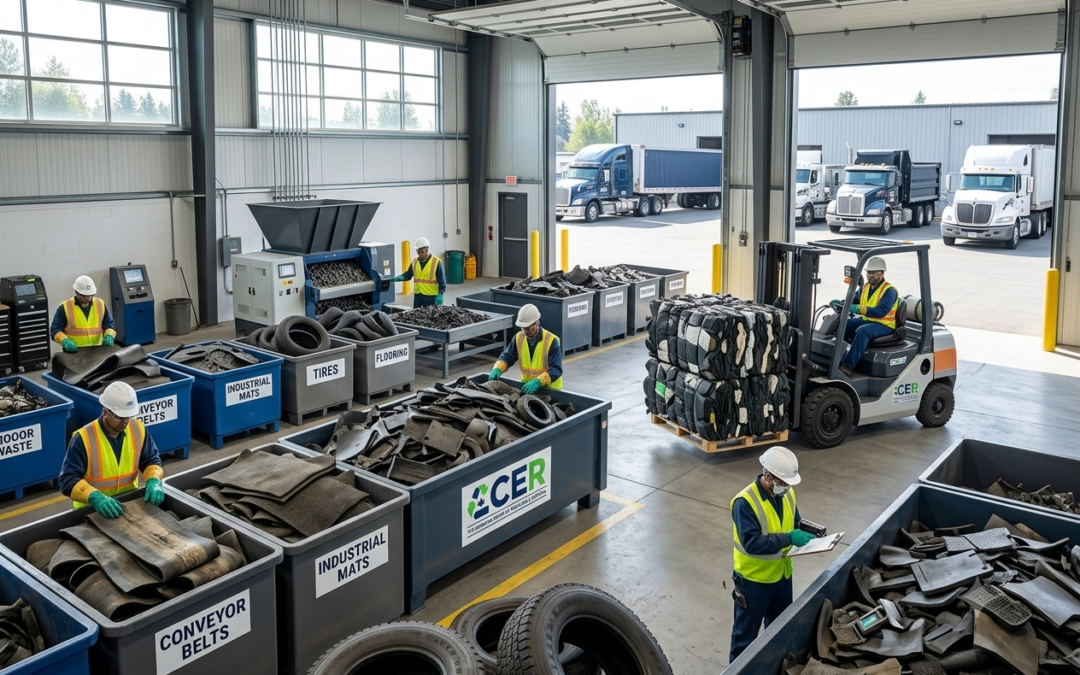
Many businesses are surprised by how many rubber products are recyclable. Depending on the condition and material type, commercial rubber waste may include:
Used Commercial Tires
Fleet vehicles, transport companies, heavy equipment, forklifts, and industrial machinery regularly produce worn tires. These can often be processed into recycled rubber for new products.
Rubber Flooring
Gyms, warehouses, manufacturing plants, and commercial facilities frequently replace rubber flooring during renovations. Instead of landfill disposal, recycling can recover usable materials.
Conveyor Belts
Manufacturing facilities and distribution centers often replace heavy-duty rubber conveyor belts that can be processed through specialized recycling programs.
Industrial Rubber Mats
Anti-fatigue mats, warehouse safety mats, entrance mats, and protective flooring may all be suitable for recycling depending on their composition.
Rubber Hoses & Seals
Construction companies, mechanical contractors, and industrial businesses regularly replace rubber hoses, seals, and protective components that should be separated from general waste whenever possible.
Why Businesses Should Avoid Mixing Rubber with General Waste
One of the biggest mistakes commercial facilities make is placing recyclable rubber materials into mixed waste containers. This reduces recycling opportunities and increases disposal costs.
Separating rubber waste provides several benefits:
- Easier recycling
- Lower contamination rates
- Better waste sorting
- Improved sustainability reporting
- Reduced landfill dependence
- More efficient commercial waste management
Working with experienced Commercial Waste Recycling providers helps businesses develop organized waste diversion programs that maximize recycling opportunities.
Industries That Benefit from Rubber Recycling Surrey
Nearly every commercial sector generates recyclable rubber waste.
Some of the industries that benefit include:
- Construction companies
- Automotive repair facilities
- Manufacturing plants
- Warehouses
- Distribution centres
- Property management companies
- Municipal facilities
- Commercial contractors
- Industrial operations
- Transportation and logistics businesses
Each industry has different waste streams, making customized recycling programs an important part of efficient waste management.
How Rubber Recycling Supports Commercial Sustainability Goals
Many businesses are working to reduce their environmental footprint while meeting internal sustainability objectives. Rubber recycling supports these goals by diverting reusable materials away from landfills and reducing the demand for new raw materials.
When combined with broader programs, businesses can significantly improve waste diversion rates and demonstrate a stronger commitment to environmental responsibility. These efforts can also strengthen relationships with clients, employees, and stakeholders who value sustainable business practices.
When Rubber Waste May Require Special Handling
Although many rubber products can be recycled, some commercial waste streams may also contain oils, chemicals, adhesives, solvents, or other contaminants. In these situations, businesses should avoid disposing of materials with regular waste until they have been properly assessed.
Professional Commercial Hazardous Waste services help businesses safely manage contaminated materials while ensuring they meet environmental regulations. Facilities that generate mixed industrial waste should also consider Hazardous Waste Disposal Surrey solutions for items that cannot be recycled through standard programs.
Proper identification and separation of hazardous materials protect employees, reduce environmental risks, and help businesses maintain regulatory compliance.
Choosing the Right Commercial Recycling Partner
Selecting the right recycling provider is just as important as deciding to recycle. Businesses should work with a company that understands commercial waste streams, offers dependable collection services, and follows environmentally responsible recycling practices.
When comparing providers, consider whether they:
- Handle large-volume commercial waste.
- Offer scheduled pickups for ongoing operations.
- Help separate recyclable and hazardous materials.
- Provide reliable customer support.
- Follow local environmental regulations.
- Create customized recycling solutions for different industries.
A knowledgeable recycling partner can simplify waste management while helping businesses improve efficiency and reduce unnecessary disposal costs.
Best Practices for Managing Commercial Rubber Waste
Businesses can improve recycling results by following a few simple practices:
Separate Rubber from General Waste
Create dedicated collection areas for used rubber products instead of mixing them with everyday commercial waste.
Train Employees
Employees should know which rubber materials are recyclable and which may require special handling.
Schedule Regular Waste Collection
Routine pickups prevent waste from accumulating and help maintain a clean, organized workplace.
Inspect Materials for Contamination
Rubber contaminated with oils, chemicals, or hazardous substances should be handled through appropriate Hazardous Waste Disposal Surrey services rather than standard recycling programs.
Review Your Waste Management Plan
Regularly evaluating your waste streams helps identify additional recycling opportunities and improve overall efficiency.
The Business Benefits of Commercial Rubber Recycling
Investing in Rubber Recycling Surrey offers more than environmental benefits. It can also improve day-to-day business operations.
Companies often experience:
- Lower landfill disposal costs.
- Better workplace organization.
- Improved environmental compliance.
- Stronger sustainability reporting.
- Increased recycling rates.
- Reduced environmental impact.
- Enhanced corporate reputation.
As environmental expectations continue to grow, businesses that prioritize responsible recycling are better positioned to meet client expectations and future regulatory requirements.
Commercial rubber recycling is more than just a waste management practice—it’s a smart investment in sustainability, operational efficiency, and environmental responsibility. By separating recyclable rubber materials and working with experienced recycling professionals, businesses can reduce landfill waste, improve compliance, and support a cleaner future for Surrey.
Whether you need ongoing Commercial Waste Recycling Surrey services or specialized solutions for industrial waste, choosing the right recycling partner makes a significant difference. If your business also generates regulated materials, professional Commercial Hazardous Waste Disposal services can help ensure safe handling and environmental compliance.
Canadian Empire Recycling & Disposal provides customized recycling and waste management solutions for businesses across Surrey. From commercial rubber recycling to responsible waste collection, their experienced team helps companies manage waste efficiently while supporting long-term sustainability. Contact Canadian Empire Recycling & Disposal today to discuss the right recycling solution for your business.
If your rubber waste stream includes contaminated materials, chemicals, or other regulated byproducts, see our Commercial Hazardous Waste Disposal Surrey guide for safe handling and compliant disposal.
Frequently Asked Questions
Why is Rubber Recycling important for Surrey businesses?
Rubber Recycling Surrey helps businesses reduce landfill waste, improve sustainability, recover valuable materials, and support environmentally responsible waste management practices.
Can contaminated rubber be recycled?
If rubber is contaminated with oils, chemicals, or other hazardous substances, it may require assessment before recycling. In some cases, professional Commercial Hazardous Waste Disposal Surrey services are needed to ensure safe handling and regulatory compliance.
Which industries benefit most from commercial rubber recycling?
Construction companies, manufacturing facilities, transportation fleets, warehouses, automotive businesses, property managers, and industrial operations all benefit from professional rubber recycling services.
How can businesses manage rubber waste more efficiently?
Businesses should separate recyclable rubber from general waste, schedule regular collections, and partner with an experienced recycling provider to create an efficient commercial waste management program.