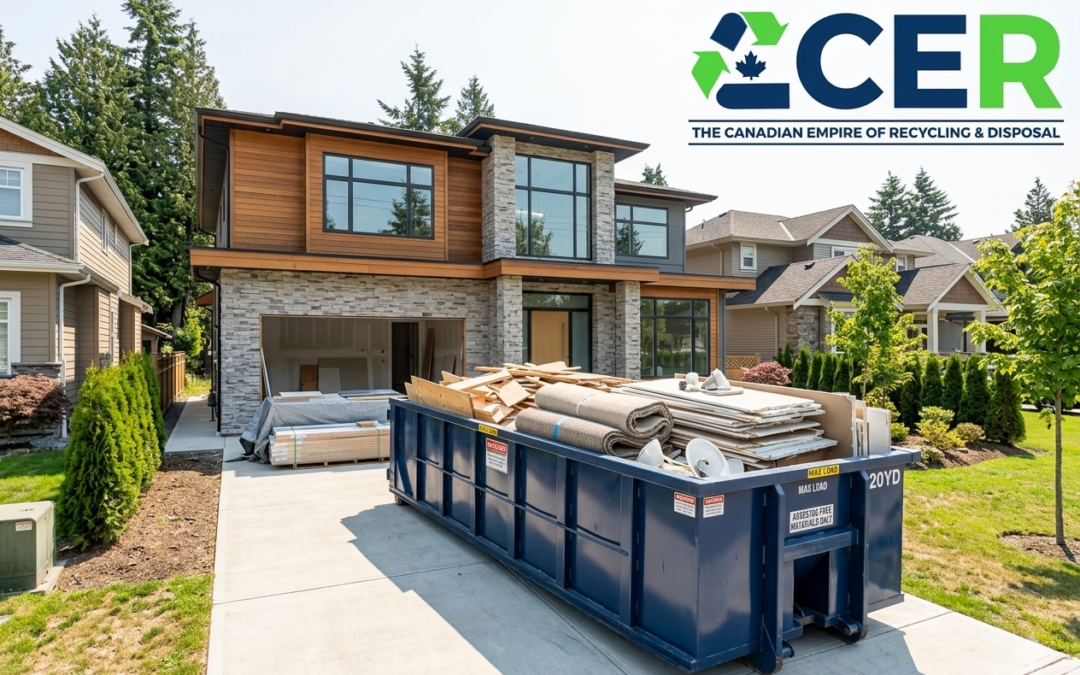
Home renovation projects are exciting opportunities to improve comfort, increase property value, and modernize living spaces. Whether you are updating a kitchen, remodeling a bathroom, replacing flooring, or completing a full-home renovation, one challenge quickly becomes apparent: waste management. Renovation projects generate significant amounts of debris, including drywall, wood, tiles, concrete, insulation, packaging materials, and old fixtures.
Choosing the right disposal bin size can make a major difference in keeping your project organized, cost-effective, and efficient. Renting a bin that is too small may require multiple pickups, while selecting one that is too large could mean paying for unnecessary capacity. Understanding how different bin sizes work can help homeowners choose the best option for their specific renovation needs.
Why Bin Size Matters During Renovations
A renovation site can become cluttered quickly. Piles of debris not only create safety hazards but can also slow down work progress. A properly sized disposal bin provides a centralized location for waste, helping contractors and homeowners maintain a cleaner and safer workspace.
Benefits of selecting the correct bin size include:
- Improved job site organization
- Reduced cleanup time
- Better safety conditions
- More efficient waste disposal
- Lower project costs
- Easier recycling and sorting of materials
Proper planning before the renovation begins can prevent unnecessary disruptions throughout the project.
Understanding Common Bin Sizes
Most waste disposal companies offer a range of bin sizes designed for different project types. While exact dimensions may vary by provider, common options include small, medium, large, and extra-large bins.
Small Bins (5–10 Yard)
Small bins are ideal for minor renovation projects such as:
- Bathroom remodels
- Small flooring replacements
- Closet renovations
- Single-room updates
- Garage cleanouts
These bins fit comfortably in most residential driveways and are often sufficient for projects generating limited debris.
Medium Bins (12–20 Yard)
Medium-sized bins are among the most popular choices for homeowners. They work well for:
- Kitchen renovations
- Basement finishing projects
- Roofing replacements
- Multi-room flooring upgrades
- Deck removal projects
These bins offer a balance between capacity and space efficiency, making them suitable for many residential renovations.
Large Bins (30–40 Yard)
Large bins are designed for substantial renovation and construction work, including:
- Whole-home remodels
- Major demolition projects
- Home additions
- Large-scale property renovations
- Multi-unit residential upgrades
For projects expected to generate significant debris volumes, larger bins can reduce the need for additional waste removal trips.
Choosing the Right Bin for Your Renovation
Several factors influence the ideal bin size for a project.
Project Scope
The larger the renovation area, the more waste material will be generated. A complete kitchen remodel will typically produce more debris than replacing bathroom fixtures.
Type of Materials
Different materials occupy different amounts of space. Drywall, insulation, wood framing, cabinetry, and furniture can quickly fill a container even if they are relatively lightweight.
Heavy materials such as concrete, bricks, and asphalt may require specialized disposal solutions because weight limits can be reached before the bin is physically full.
Available Space
Before ordering a bin, evaluate where it will be placed. Driveways, side yards, and construction areas should provide enough space for delivery and pickup without obstructing traffic or access points.
Project Timeline
Longer projects often generate waste gradually. Choosing a slightly larger bin can help accommodate debris accumulation without requiring premature removal.
Renovation Materials That Commonly Fill Bins Quickly
Many homeowners underestimate the amount of debris generated during renovations. Materials that often consume bin space faster than expected include:
- Drywall sheets
- Kitchen cabinets
- Flooring materials
- Wood framing
- Carpeting and underlay
- Insulation
- Roofing shingles
- Packaging materials
- Old furniture and fixtures
Planning for these materials helps avoid capacity issues later in the project.
Benefits of Professional Bin Rental Services
Working with a professional Bin Rental Surrey provider offers several advantages beyond simply supplying a container.
Professional services often include:
- Timely delivery and pickup
- Flexible rental periods
- Multiple bin size options
- Proper waste handling
- Recycling support
- Regulatory compliance assistance
These services allow homeowners and contractors to focus on renovation work rather than waste logistics.
Managing Construction Debris Responsibly
Renovation waste often includes materials that can be recycled or diverted from landfills. Proper sorting helps reduce environmental impact while supporting sustainability initiatives.
Many construction waste Surrey projects generate recyclable materials such as:
- Wood
- Metal
- Concrete
- Cardboard
- Clean drywall
- Certain plastics
Separating recyclable materials whenever possible contributes to more environmentally responsible construction practices.
Handling Hazardous Materials During Renovations
Some renovation projects uncover materials that require special disposal procedures. Examples may include:
- Paints and solvents
- Adhesives
- Chemicals
- Treated wood
- Batteries
- Fluorescent light bulbs
- Asbestos-containing materials
These items should never be mixed with general renovation debris. Property owners requiring Hazardous Waste Disposal Surrey services should work with qualified waste management professionals to ensure safe handling and regulatory compliance.
Proper disposal protects workers, residents, and the environment from potential contamination risks.
Common Bin Size Recommendations
Here are general recommendations based on project type:
| Renovation Project | Suggested Bin Size |
|---|---|
| Bathroom Remodel | 5–10 Yard |
| Small Flooring Project | 5–10 Yard |
| Kitchen Renovation | 12–20 Yard |
| Basement Renovation | 12–20 Yard |
| Roofing Replacement | 12–20 Yard |
| Whole Home Remodel | 30–40 Yard |
| Major Demolition | 30–40 Yard |
Actual requirements may vary depending on the amount and type of debris generated.
Tips to Maximize Bin Capacity
To make the most of your rental bin:
- Break down large items before disposal.
- Flatten cardboard boxes.
- Stack materials neatly.
- Separate recyclable materials.
- Avoid overfilling beyond approved limits.
- Follow provider guidelines regarding prohibited materials.
Efficient loading can significantly increase usable space and reduce disposal costs.
Planning Saves Time and Money
One of the biggest mistakes homeowners make is underestimating waste volume. Choosing a bin slightly larger than initially expected often proves more cost-effective than ordering multiple replacements during a project.
Consulting with an experienced waste management company Surrey before starting renovations can help determine the most appropriate bin size based on project scope and material types.
Selecting the best bin size for a home renovation project in Surrey is an important part of successful project planning. The right container improves safety, streamlines cleanup, and helps keep renovation work on schedule. By considering project size, waste type, available space, and disposal requirements, homeowners can choose a solution that meets both practical and environmental goals.
For reliable waste management and bin rental solutions, contact Canadian Empire Recycling & Disposal. Their experienced team provides professional bin rentals, recycling services, construction debris management, and responsible waste disposal solutions to support residential and commercial renovation projects throughout Surrey and the surrounding areas.
If your renovation uncovers old paint, solvents, batteries, or other household chemicals, see our residential hazardous waste disposal guide for safe drop-off and collection options.
Frequently Asked Questions (FAQs)
Can renovation bins be used for concrete and bricks?
Yes, but heavy materials may require specific bins due to weight restrictions. Always confirm acceptable materials with your provider.
How long can I keep a rental bin?
Rental periods vary by company, but many providers offer flexible short-term and extended rental options.
Can hazardous materials be placed in renovation bins?
No. Hazardous materials such as chemicals, paint, batteries, and asbestos require specialized disposal methods.
How do I know which bin size to choose?
Consider the project scope, expected debris volume, material types, and available space. Consulting a professional waste management company can help determine the best option.