
Commercial renovations in Surrey often involve demolition, material removal, interior upgrades, or structural changes. While project schedules usually revolve around contractors, inspections, deliveries, and construction milestones, unexpected asbestos-containing materials can add another layer of planning.
Asbestos can be present in older building materials, and disturbing those materials during renovation may create additional requirements for assessment, handling, containment, transportation, and disposal. If asbestos-related waste is discovered after work has already started, the project may face interruptions while the material is properly managed.
For Surrey businesses, the key is not simply removing asbestos waste quickly. It is planning for asbestos waste before renovation activities begin, understanding which materials may require specialized handling, and arranging an appropriate waste-management solution.
Why Asbestos Waste Can Cause Renovation Delays
One of the biggest causes of delay is unexpectedly discovering potentially asbestos-containing materials. Older commercial buildings may contain asbestos in materials such as insulation, flooring, ceiling products, pipe insulation, roofing materials, drywall compounds, or other building components.
If suspicious material is discovered during demolition, work in the affected area may need to stop until the material can be properly assessed and managed.
Other potential causes of delay include:
- No waste-management plan for asbestos-containing materials
- Insufficient space for safely storing separated waste
- Using inappropriate containers for asbestos waste
- Mixing asbestos-containing materials with general construction debris
- Waiting until the last minute to arrange collection
- Underestimating the amount of waste generated during demolition
- Failing to coordinate waste removal with the renovation schedule
Planning these requirements gives property owners and contractors greater control over the project timeline.
Identify Potential Asbestos Materials Before Renovation
A renovation should not begin with the assumption that every existing building material is asbestos-free, particularly when working on an older commercial property.
Before demolition or intrusive renovation work, businesses should determine whether materials that may be disturbed require assessment. Depending on the project and material involved, professional asbestos assessment may be appropriate before work proceeds.
This is especially important when renovations involve:
- Older flooring and floor adhesives
- Ceiling tiles or textured ceiling materials
- Pipe or mechanical insulation
- Older drywall compounds
- Roofing and building materials
- Insulation products
- Materials around mechanical systems
- Demolition of older walls or building components
Early identification allows the renovation team to incorporate appropriate procedures into the project plan rather than reacting after demolition has started.
Plan Asbestos Waste Handling Before Demolition
Once asbestos-containing materials are identified and the appropriate removal process is established, waste handling should become part of the renovation plan.
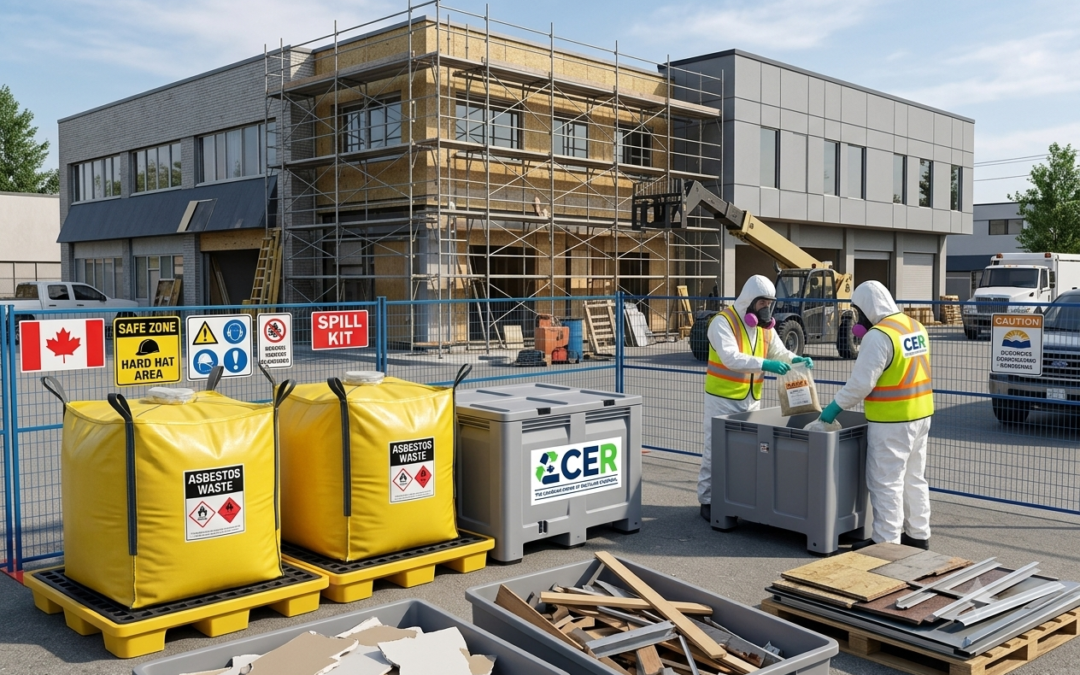
The project team should determine how asbestos waste will be separated from other debris, where it will be temporarily managed, and when collection will take place. This prevents asbestos-containing waste from becoming mixed with ordinary construction materials.
A planned approach can also help contractors coordinate demolition and waste removal more efficiently. Instead of allowing waste to accumulate until the end of the project, scheduled removal can be aligned with specific renovation stages.
Consider the Right Waste Container for the Project
Renovation projects can generate substantial quantities of material, and asbestos-containing waste requires appropriate containment rather than being placed into an ordinary construction bin.
For projects where specialized container service is required, businesses may look into Asbestos Waste Bin Rental Surrey options before demolition begins. The appropriate container and handling process depend on the material, quantity, project conditions, and applicable requirements.
Arranging the required waste container ahead of time can help prevent situations where contractors are ready to remove materials but have nowhere suitable to place the resulting waste.
It is also important to avoid treating an asbestos waste container like a general-purpose construction bin. Different waste streams should remain separated to support safe and compliant handling.
Keep Asbestos Waste Separate From General Construction Debris
Mixing asbestos-containing materials with ordinary renovation debris can complicate waste management and potentially increase handling risks.
For example, a commercial renovation may generate drywall, wood, metal, cardboard, packaging, flooring, and other materials alongside asbestos-containing materials. These streams should not automatically be placed together.
Separating waste at the point where it is generated can make collection more organized and may allow recyclable materials to remain within appropriate recovery streams.
This also supports more efficient Commercial Waste Disposal Surrey by preventing specialized materials from being mixed into general commercial waste.
Coordinate Waste Removal With the Renovation Schedule
Timing matters when managing commercial asbestos waste disposal Surrey. A contractor may complete demolition faster than expected, or a project may generate more waste than originally estimated.
To reduce scheduling problems, businesses should coordinate waste collection with major project milestones.
For example, the renovation plan can identify:
- When potentially asbestos-containing materials will be disturbed.
- When asbestos-related waste will be generated.
- Where the waste will be safely contained.
- When collection should occur.
- How the next phase of renovation will proceed after waste removal.
This approach helps prevent full containers, limited storage space, or unexpected waste accumulation from slowing down other trades.
Don’t Mix Hazardous and Non-Hazardous Waste
Asbestos is not the only material that may require specialized waste handling during a commercial renovation. Projects can also generate paints, solvents, chemicals, contaminated materials, batteries, oils, and other potentially hazardous products.
When multiple waste streams are generated at the same site, businesses should identify them separately rather than treating everything as ordinary construction waste.
Proper planning for Hazardous Waste Disposal Surrey can help businesses manage other hazardous materials alongside their asbestos-related waste without unnecessarily disrupting the renovation.
The exact handling requirements depend on the type and condition of the material, so businesses should obtain appropriate professional guidance when they are unsure how a particular waste stream should be managed.
How to Reduce Last-Minute Waste Problems
A few practical steps can make commercial renovation waste management considerably easier:
1. Review the Building Before Demolition
Determine whether the property contains older materials that could require additional assessment before they are disturbed.
2. Estimate Waste Volumes
Discuss expected quantities with the renovation and demolition teams so that suitable waste-management arrangements can be made.
3. Separate Waste Streams
Keep asbestos-related materials, hazardous products, recyclable materials, and ordinary construction debris appropriately separated.
4. Schedule Collection Early
Do not wait until waste has accumulated before contacting a waste-management provider. Coordinate collection with the renovation timeline.
5. Communicate With Everyone on Site
Property managers, contractors, demolition crews, and waste-handling teams should understand the project’s waste-management procedures.
6. Plan for Unexpected Discoveries
Older commercial buildings can present surprises during renovation. Having a response plan can reduce downtime when unexpected materials are identified.
Why Early Planning Benefits Surrey Commercial Projects
The purpose of asbestos waste planning is not simply to remove waste from a job site. It is to integrate waste management into the overall renovation process.
When businesses identify potential asbestos concerns early, establish appropriate handling procedures, arrange suitable containment, and coordinate collection with project milestones, they can reduce avoidable interruptions.
This becomes particularly important for commercial properties where delays can affect employees, tenants, customers, contractors, and other scheduled work.
A well-organized waste plan also makes it easier to manage other materials generated during the renovation and maintain separation between specialized and general waste streams.
Asbestos waste does not have to become an unexpected reason for a Surrey commercial renovation to fall behind schedule. The most effective approach is to plan before demolition begins, identify materials that may require specialized handling, arrange suitable containment, and coordinate collection with the project’s timeline.
Businesses should also keep asbestos-related waste separate from general construction debris and other hazardous materials. With the right preparation, waste management can become a planned part of the renovation rather than a last-minute obstacle.
If your Surrey commercial property is undergoing renovation, Canadian Empire Recycling & Disposal can help you plan an appropriate waste-management solution for your project. Contact Canadian Empire Recycling & Disposal to discuss your Asbestos Waste Disposal Surrey requirements, waste container needs, and commercial waste-management services.
Renovation projects rarely generate asbestos waste alone. For guidance on managing paints, solvents, batteries, and other regulated materials alongside asbestos removal, see our Commercial Hazardous Waste Disposal Surrey guide.
Frequently Asked Questions
Can asbestos waste be placed in a regular construction bin?
Asbestos-containing waste should not automatically be placed in a regular construction waste bin. It requires appropriate containment and handling based on the material and applicable requirements.
When should a business arrange an asbestos waste container?
Ideally, waste-container planning should happen before asbestos-containing materials are disturbed. This allows the renovation team to coordinate containment and collection with the demolition schedule rather than arranging it after waste has accumulated.
Can asbestos waste be mixed with other hazardous waste?
Businesses should not assume that different hazardous waste streams can be mixed together. Asbestos-containing materials and other hazardous substances should be identified and managed according to their specific handling requirements.
How can Surrey businesses reduce asbestos waste-related renovation delays?
Businesses can reduce avoidable delays by identifying potential asbestos materials before renovation, planning appropriate containment, separating waste streams, estimating waste volumes, and scheduling collection in coordination with the project timeline.