
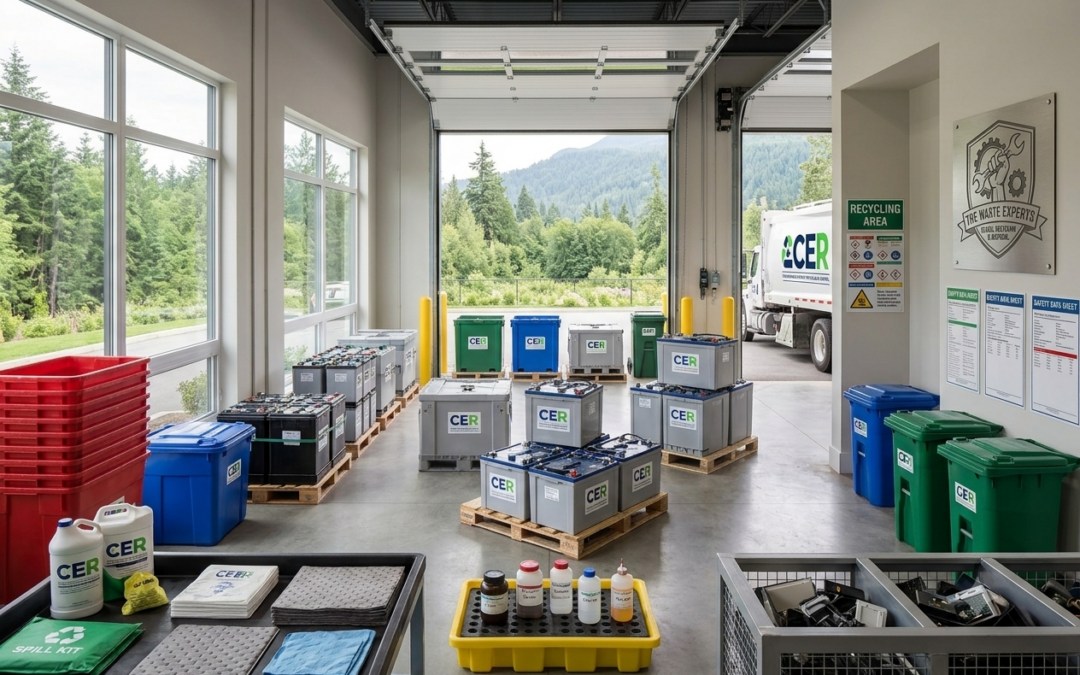
Batteries power countless devices in today’s workplaces, from laptops and cordless tools to forklifts and emergency backup systems. However, when these batteries reach the end of their life, they become hazardous waste that requires careful handling. Improper disposal can lead to environmental contamination, fire hazards, and regulatory issues for businesses.
Understanding how to manage used batteries responsibly helps businesses protect the environment while remaining compliant with waste management regulations. Working with a trusted provider of Battery Disposal in Surrey ensures hazardous battery waste is collected, transported, and recycled safely.
Why Battery Disposal Requires Special Handling
Unlike ordinary commercial waste, batteries contain chemicals and heavy metals that can be harmful if released into the environment. Certain battery types may also generate heat or ignite if damaged or stored incorrectly.
Proper battery disposal helps businesses:
- Prevent soil and water contamination
- Reduce fire risks
- Support environmental sustainability
- Recover valuable recyclable materials
- Maintain a safer workplace
- Meet responsible waste management practices
Professional Hazardous Waste Disposal Surrey services ensure that batteries are handled in accordance with industry standards.
Common Types of Business Batteries
Different industries generate different types of battery waste.
Common commercial batteries include:
- Lithium-ion batteries
- Lead-acid batteries
- Nickel-cadmium batteries
- Nickel-metal hydride batteries
- Alkaline batteries
- Rechargeable tool batteries
- UPS backup batteries
- Forklift batteries
Each type requires appropriate collection and recycling methods.
Why Businesses Should Never Throw Batteries in the Trash
Discarding batteries with regular garbage can create several risks.
Potential problems include:
- Battery fires during waste collection
- Chemical leaks
- Heavy metal contamination
- Damage to recycling equipment
- Increased environmental impact
Separating batteries from general waste protects both employees and waste management workers.
Best Practices for Storing Used Batteries
Before collection, businesses should store batteries safely by following a few simple guidelines.
Recommended practices include:
- Store batteries in a cool, dry location.
- Keep different battery chemistries separated.
- Cover exposed terminals on lithium batteries to prevent short circuits.
- Use sturdy, leak-resistant containers.
- Clearly label battery storage areas.
- Prevent damaged batteries from mixing with intact ones.
Proper storage reduces the risk of accidents before collection.
Industries That Commonly Generate Battery Waste
Many businesses produce hazardous battery waste as part of their daily operations.
Examples include:
- Warehouses
- Manufacturing facilities
- Construction companies
- Automotive repair shops
- Hospitals and healthcare facilities
- Schools and universities
- Office buildings
- Retail businesses
- Telecommunications companies
Regular battery recycling programs help these businesses manage waste more efficiently.
Can Business Batteries Be Recycled?
Yes. Many commercial batteries contain valuable materials that can be recovered and reused through specialized recycling processes.
Recovered materials may include:
- Lead
- Lithium
- Nickel
- Cobalt
- Steel
- Plastic components
Supporting Commercial Waste Recycling Surrey programs helps conserve natural resources while reducing landfill waste.
Signs Your Business Needs Professional Battery Disposal
Your business should schedule battery collection if you notice:
- Growing numbers of used batteries in storage
- Damaged or leaking batteries
- Frequent equipment replacements
- Large quantities of rechargeable batteries
- Limited storage space
- Concerns about workplace safety
Routine collection prevents hazardous waste from accumulating.
Tips for Building a Battery Recycling Program
Businesses can improve battery management by:
- Training employees on proper battery handling
- Providing clearly labeled collection containers
- Separating battery types before storage
- Scheduling regular pickups
- Keeping batteries away from heat and moisture
- Partnering with experienced recycling professionals
These steps improve workplace safety and streamline waste management.
Why Choose a Professional Recycling Partner?
Battery disposal requires specialized knowledge, proper transportation, and environmentally responsible recycling methods. An experienced recycling provider helps businesses safely manage hazardous battery waste while reducing environmental impact and simplifying compliance with waste management requirements.
Used batteries should never be treated as ordinary commercial waste. Safe collection, proper storage, and responsible recycling help businesses reduce environmental risks, improve workplace safety, and recover valuable materials. Establishing a battery recycling program is a practical investment in both sustainability and operational efficiency.
If your business needs reliable battery disposal, Canadian Empire Recycling & Disposal provides professional solutions for collecting and managing hazardous battery waste. Contact Canadian Empire Recycling & Disposal to schedule a pickup and keep your business operating safely and responsibly.
Frequently Asked Questions
Why are batteries considered hazardous waste?
Many batteries contain chemicals and heavy metals that can leak into the environment or create fire hazards if handled improperly.
Can batteries be placed in regular commercial waste bins?
No. Batteries should be kept separate from general waste and collected through professional hazardous waste disposal services.
How should businesses store used batteries before collection?
Store batteries in a cool, dry location, separate different battery types, protect exposed terminals, and use clearly labeled containers.
Why should businesses choose professional battery disposal services?
Professional services ensure batteries are collected, transported, and recycled safely while reducing environmental risks and supporting responsible waste management practices