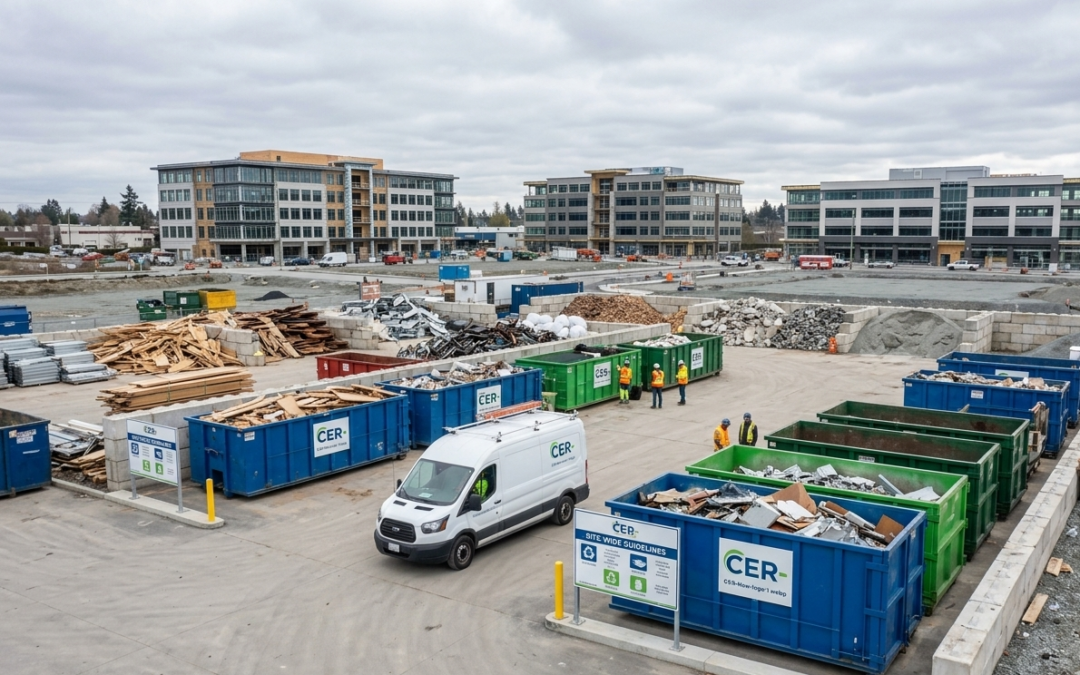
Construction projects in Surrey are becoming larger, more complex, and increasingly regulated. Whether you’re managing a commercial development, office renovation, retail build-out, or residential construction site, one factor often determines the project’s efficiency and environmental impact: a well-designed Construction Waste Management Plan.
Many contractors focus on timelines, budgets, and labor while overlooking waste planning. However, failing to manage construction debris properly can result in higher disposal costs, regulatory issues, project delays, and unnecessary environmental harm.
A strategic waste management plan helps businesses reduce landfill contributions, improve recycling rates, stay compliant with local regulations, and maintain a cleaner, safer worksite.
For contractors and developers seeking reliable Construction Waste Disposal Surrey services, understanding the value of a waste management plan is essential for project success.
What Is a Construction Waste Management Plan?
A Construction Waste Management Plan (CWMP) is a documented strategy outlining how construction, renovation, and demolition waste will be handled throughout a project.
The plan typically includes:
- Waste identification and classification
- Recycling and diversion targets
- Collection procedures
- Hazardous material handling
- Transportation logistics
- Disposal and recycling methods
- Compliance requirements
A properly implemented plan ensures that waste materials are diverted from landfills whenever possible and directed toward recycling or recovery facilities.
Why Construction Waste Management Matters in Surrey
Surrey continues to experience significant residential, commercial, and industrial growth. With increased development comes increased construction debris, including:
- Concrete
- Wood
- Drywall
- Metal
- Roofing materials
- Packaging waste
- Hazardous materials
Without proper planning, these materials often end up in landfills despite being recyclable.
An effective Waste Management Surrey strategy helps construction companies minimize environmental impact while improving operational efficiency.
The Financial Benefits of a Waste Management Plan
Many contractors assume waste management is simply an unavoidable project expense. In reality, a structured plan often reduces overall project costs.
Benefits include:
Reduced Disposal Fees
Separating recyclable materials lowers landfill tipping fees and disposal expenses.
Improved Material Recovery
Materials such as metal, cardboard, concrete, and wood can often be diverted for recycling rather than discarded.
Better Resource Management
Tracking waste streams helps identify inefficiencies that may be increasing project costs.
Fewer Project Delays
Organized waste handling keeps sites cleaner and reduces disruptions caused by overflowing debris containers.
Environmental Advantages of Construction Waste Recycling
Environmental sustainability has become a priority for developers, municipalities, and property owners alike.
Through professional Commercial Waste Recycling Surrey services, businesses can:
- Reduce landfill dependency
- Conserve natural resources
- Lower carbon emissions
- Support circular economy initiatives
- Improve environmental compliance
Many construction materials can be recycled and reused in future projects, reducing the demand for virgin resources.
Regulatory Compliance and Risk Reduction
Construction projects must comply with local, provincial, and environmental regulations regarding waste disposal.
Failure to manage waste properly can result in:
- Regulatory penalties
- Project shutdowns
- Environmental violations
- Increased liability
A documented waste management plan demonstrates due diligence and helps ensure compliance throughout the project lifecycle.
Managing Hazardous Construction Waste Safely
Not all construction debris is harmless.
Many renovation and demolition projects generate materials that require specialized handling, including:
- Asbestos-containing materials
- Lead-based products
- Contaminated soil
- Paints and solvents
- Adhesives and chemicals
- Treated wood products
Professional Hazardous Waste Disposal Surrey services ensure these materials are collected, transported, and disposed of according to applicable regulations.
Improper handling of hazardous waste can create serious environmental and health risks for workers and surrounding communities.
How Waste Management Supports Better Project Outcomes
Successful construction projects rely on effective planning across every stage.
Integrating Project Management & Disposal Solutions Surrey into project operations provides several advantages:
Improved Site Safety
Accumulated debris creates trip hazards and obstructs workflows. Organized waste removal keeps work areas safer and more efficient.
Enhanced Productivity
Workers spend less time navigating cluttered sites and more time completing productive tasks.
Stronger Client Confidence
Clients increasingly expect contractors to follow environmentally responsible practices.
Better Project Documentation
Tracking waste streams helps support sustainability reporting and project accountability.
Key Components of an Effective Construction Waste Management Plan
Every project should include:
Waste Assessment
Identify anticipated waste materials before construction begins.
Recycling Strategy
Determine which materials can be diverted for recycling.
Collection Systems
Establish designated bins and sorting areas.
Transportation Planning
Coordinate waste removal schedules to prevent site congestion.
Hazardous Material Procedures
Develop specific handling protocols for regulated materials.
Performance Monitoring
Track diversion rates and disposal volumes throughout the project.
Common Construction Materials That Can Be Recycled
Many contractors are surprised by how much waste can be diverted from landfills.
Common recyclable materials include:
- Concrete
- Asphalt
- Wood
- Steel
- Aluminum
- Cardboard
- Plastic packaging
- Drywall
- Glass
Through effective Commercial Waste Recycling programs, significant portions of waste can be recovered and reused.
Why Surrey Contractors Choose Professional Waste Disposal Services
Managing construction waste internally can become time-consuming and expensive.
Professional disposal providers offer:
- Scheduled waste collection
- Recycling expertise
- Regulatory compliance support
- Hazardous material management
- Site-specific waste planning
- Documentation and reporting
These services allow contractors to focus on project delivery while ensuring waste is handled responsibly.
Partner with Canadian Empire Recycling & Disposal
A successful construction project requires more than skilled labor and quality materials. It also requires a strategic approach to waste management.
Canadian Empire Recycling & Disposal provides dependable solutions for Construction Waste Disposal, Commercial Waste Recycling, Hazardous Waste Disposal, and comprehensive Project Management & Disposal Solutions. Their experienced team helps contractors, developers, and businesses manage waste efficiently while supporting environmental sustainability and regulatory compliance.
Whether you’re planning a commercial build, renovation project, or demolition operation, contact Canadian Empire Recycling & Disposal to help create a customized waste management solution tailored to your project’s needs.
Construction waste management is no longer optional—it is a critical component of modern project planning. A well-designed Waste Management Plan improves efficiency, reduces costs, supports sustainability goals, and helps ensure regulatory compliance.
For Surrey contractors and developers, investing in proper waste planning today can lead to safer worksites, stronger project outcomes, and long-term environmental benefits.
Frequently Asked Questions (FAQs)
Why is Construction Waste Disposal Surrey important for commercial projects?
Proper Construction Waste Disposal Surrey services help reduce landfill waste, improve site safety, lower disposal costs, and ensure compliance with environmental regulations.
What materials can be recycled through Commercial Waste Recycling Surrey programs?
Common recyclable materials include concrete, asphalt, wood, metal, drywall, cardboard, plastics, and glass generated from construction and demolition activities.
When is Hazardous Waste Disposal Surrey required?
Hazardous waste disposal is required when projects involve materials such as asbestos, lead-based products, contaminated soil, chemicals, paints, solvents, or other regulated substances.
How do Project Management & Disposal Solutions Surrey improve construction efficiency?
Professional waste management solutions streamline waste handling, reduce project delays, improve safety, support regulatory compliance, and help contractors achieve sustainability goals while controlling costs.