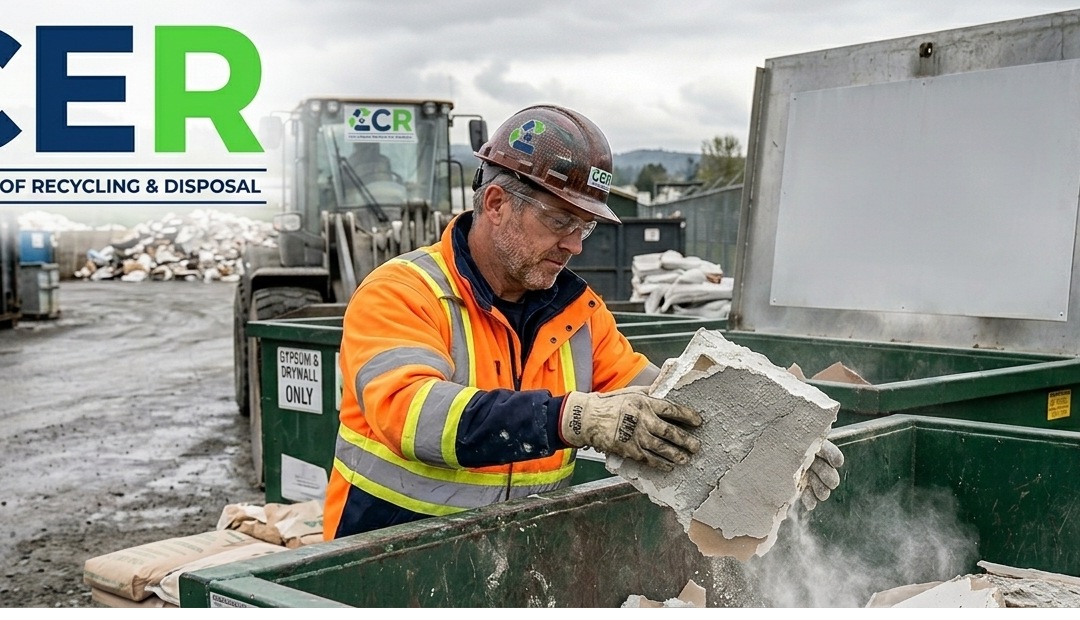
Drywall is one of the most commonly used construction materials in residential and commercial projects across Surrey. Whether homeowners are renovating kitchens, finishing basements, or demolishing old walls, drywall waste is often generated in large amounts. While many people assume drywall can simply be thrown into a regular landfill, gypsum waste actually requires specialized disposal methods.
Improper drywall disposal can create serious environmental issues, increase landfill contamination, and violate local waste management regulations. Understanding why gypsum waste cannot go into standard landfills helps homeowners, contractors, and businesses make safer and more responsible disposal decisions.
What Is Drywall Made Of?
Drywall consists mainly of gypsum, a soft sulfate mineral placed between layers of heavy paper. Gypsum is widely used because it is:
- Affordable
- Fire resistant
- Easy to install
- Lightweight
- Effective for insulation and sound control
Although drywall is highly useful in construction, its disposal process is more complex than many people realize.
Why Gypsum Waste Is a Problem in Standard Landfills
When drywall waste ends up in traditional landfills, it can create harmful environmental conditions. As gypsum breaks down in buried landfill conditions, it may produce hydrogen sulfide gas.
Hydrogen sulfide gas:
- Smells like rotten eggs
- Can create unpleasant landfill odors
- Contributes to air pollution
- May pose health concerns in high concentrations
Because of these environmental risks, many landfills restrict or completely ban gypsum waste disposal.
This is why specialized Drywall waste drop off Surrey facilities are important for safe and compliant disposal.
Environmental Impact of Improper Drywall Disposal
Drywall waste takes up large amounts of landfill space unnecessarily. Many drywall materials can actually be recycled and reused instead of being buried.
Improper disposal contributes to:
- Increased landfill waste
- Soil contamination risks
- Air quality concerns
- Resource waste
- Illegal dumping problems
Recycling gypsum helps reduce environmental impact while conserving raw materials for future manufacturing.
Why Drywall Recycling Matters
Recycled gypsum can be processed and reused in several industries, including:
- New drywall production
- Agricultural soil treatment
- Cement manufacturing
- Industrial applications
By separating drywall from general construction waste, recyclable materials remain usable instead of becoming environmental hazards.
Many professional Drywall Disposal Services Surrey providers focus on diverting reusable gypsum materials away from landfills whenever possible.
Common Renovation Projects That Create Drywall Waste
Drywall waste is commonly produced during:
- Kitchen renovations
- Basement finishing projects
- Bathroom remodeling
- Office renovations
- Demolition work
- Commercial construction projects
- Water damage restoration
Even small renovation projects can generate surprising amounts of drywall debris.
Why Contractors Need Proper Disposal Plans
Construction contractors are often responsible for managing large volumes of drywall waste. Without proper planning, disposal costs and environmental risks can increase significantly.
Professional disposal services help contractors:
- Save time
- Follow disposal regulations
- Reduce landfill waste
- Improve worksite cleanliness
- Manage renovation debris efficiently
Organized drywall disposal also improves overall project safety by reducing clutter and dust on construction sites.
The Importance of Proper Containment
Drywall debris can create large amounts of fine dust during demolition and transportation. Proper containment helps minimize airborne particles and keeps job sites cleaner.
Using specialized disposal bags is one of the most effective ways to handle gypsum waste safely. Many contractors and homeowners rely on Drywall Bag Supplies Surrey solutions to simplify waste collection and transport.
Strong disposal bags help:
- Prevent dust spread
- Improve handling safety
- Reduce mess during transport
- Organize renovation debris efficiently
How Gypsum Waste Is Safely Managed
Professional drywall disposal facilities typically follow several steps:
- Waste collection
- Material separation
- Removal of contaminants
- Recycling preparation
- Processing for reuse
These controlled systems ensure gypsum waste is handled responsibly while minimizing environmental impact.
Why Illegal Dumping Is a Growing Concern
Some individuals attempt to avoid disposal fees by illegally dumping drywall waste in empty lots, alleys, or construction areas. Illegal dumping creates serious environmental and safety issues.
Consequences may include:
- Fines and penalties
- Environmental contamination
- Community cleanup costs
- Property damage
- Health risks
Responsible disposal protects both the environment and the local community.
Surrey’s Focus on Sustainable Waste Management
Surrey continues to prioritize environmental sustainability and responsible construction waste management. Recycling programs and specialized disposal facilities help reduce landfill pressure and improve resource recovery efforts.
Property owners and contractors are increasingly encouraged to:
- Separate construction waste properly
- Use recycling services
- Reduce illegal dumping
- Support sustainable disposal practices
These efforts contribute to cleaner communities and more environmentally responsible development.
Choosing the Right Disposal Provider
Not all waste disposal companies Surrey specialize in drywall recycling and gypsum management. Choosing an experienced provider ensures waste is handled correctly and in compliance with local regulations.
A reliable disposal company should offer:
- Convenient disposal solutions
- Recycling-focused services
- Safe transport methods
- Professional customer support
- Construction waste expertise
Many renovation professionals also look for providers offering Gypsum Bag Supplies Surrey to improve job site efficiency and simplify cleanup.
Benefits of Professional Drywall Disposal Services
Working with professional drywall disposal companies Surrey offers several advantages:
Environmental Protection
Proper recycling reduces landfill contamination and supports sustainability.
Improved Job Site Safety
Organized waste removal helps reduce hazards and airborne dust.
Regulatory Compliance
Professional services help contractors and homeowners follow disposal regulations.
Time Savings
Efficient waste management keeps renovation projects moving smoothly.
Cleaner Communities
Responsible disposal reduces illegal dumping and environmental damage.
Tips for Homeowners Handling Drywall Waste
If you are planning a renovation project, consider these helpful tips:
- Separate drywall from general garbage
- Use proper disposal bags
- Avoid overloading containers
- Keep materials dry when possible
- Hire professional disposal services for larger projects
These steps help simplify cleanup while supporting environmentally responsible disposal practices.
Drywall waste disposal is much more important than many homeowners and contractors realize. Because gypsum materials can create environmental problems in standard landfills, proper recycling and disposal methods are essential. Surrey’s growing focus on sustainability makes responsible drywall waste management even more important for both residential and commercial projects.
From specialized recycling facilities to professional disposal services and proper containment supplies, there are safer and more environmentally friendly ways to manage gypsum waste effectively.
For reliable drywall recycling, waste removal, and disposal solutions, contact Canadian Empire Recycling & Disposal. Their experienced team can help homeowners and contractors manage drywall waste safely, efficiently, and responsibly.
Drywall is just one part of most renovation and demolition projects. For guidance on managing wood, metal, concrete, and other construction debris, see our Construction Waste Disposal Surrey guide.
Frequently Asked Questions (FAQs)
Can drywall be recycled?
Yes. Gypsum from drywall can often be recycled and reused in new construction materials and industrial applications.
What is the safest way to dispose of drywall waste?
Using professional drywall disposal and recycling services is the safest and most environmentally responsible option.
Why are drywall disposal bags important?
Specialized disposal bags help contain dust, improve safety, and simplify the transportation of drywall debris.
What projects create the most drywall waste?
Kitchen renovations, bathroom remodeling, demolition projects, basement finishing, and commercial construction often generate significant drywall waste.