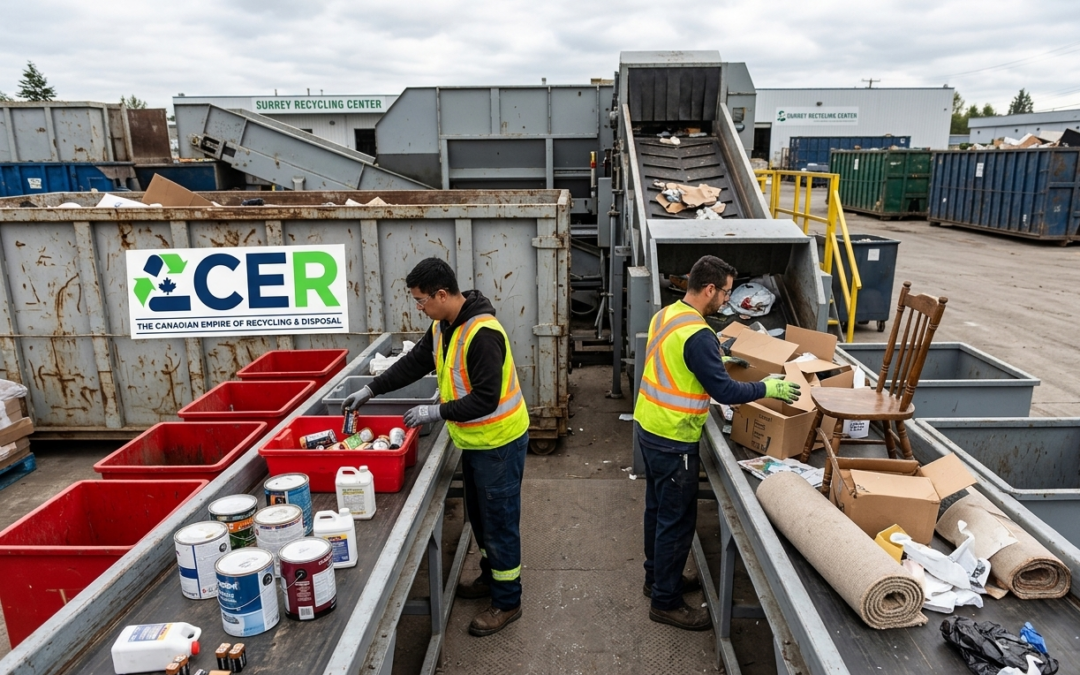
Managing waste properly is more important than ever, especially as environmental awareness continues to grow. Whether you’re cleaning out your home, renovating a property, or handling commercial waste, knowing the difference between hazardous and non-hazardous junk is essential. Improper disposal can harm the environment, pose health risks, and even lead to legal penalties.
What Is Hazardous Waste?
Hazardous waste includes materials that are dangerous or potentially harmful to human health and the environment. These items often contain toxic, flammable, corrosive, or reactive substances.
Common Examples of Hazardous Waste:
- Paints, solvents, and varnishes
- Batteries (especially lithium and car batteries)
- Pesticides and herbicides
- Cleaning chemicals and bleach
- Motor oil and automotive fluids
- Asbestos-containing materials
- Electronic waste (e-waste)
These materials require special handling and cannot be disposed of in regular trash bins.
What Is Non-Hazardous Waste?
Non-hazardous waste refers to materials that do not pose immediate risks to health or the environment. These items are generally safe to handle and can often be recycled or disposed of through standard waste collection services.
Common Examples of Non-Hazardous Waste:
- Household junk (furniture, clothing)
- Paper, cardboard, and packaging
- Plastics and non-toxic materials
- Yard waste and organic debris
- Construction debris like wood and drywall (non-contaminated)
While these materials are less dangerous, proper disposal and recycling are still important for sustainability.
Key Differences Between Hazardous and Non-Hazardous Junk
Understanding the differences can help you avoid costly mistakes and ensure safe disposal.
1. Risk Level
Hazardous waste poses significant risks such as toxicity, fire hazards, or chemical reactions. Non-hazardous waste does not carry these dangers.
2. Disposal Methods
Hazardous materials must be taken to designated facilities, while non-hazardous junk can often be handled by regular waste services or recycling centers.
3. Environmental Impact
Hazardous waste can contaminate soil, water, and air if not disposed of correctly. Non-hazardous waste has a lower impact but still contributes to landfill overflow if not managed properly.
How to Identify Hazardous Junk
If you’re unsure whether something is hazardous, here are a few tips to help:
- Check Labels: Look for warning symbols like “toxic,” “flammable,” or “corrosive.”
- Strong Odors: Chemical smells can indicate hazardous substances.
- Unusual Reactions: Items that react with air, water, or heat may be hazardous.
- Electronic Components: Many electronics contain hazardous materials.
- Professional Advice: When in doubt, consult waste management experts.
Why Proper Disposal Matters
Improper disposal of hazardous waste can lead to serious consequences:
- Health issues from exposure to toxic substances
- Environmental pollution is affecting ecosystems
- Legal fines and penalties for non-compliance
- Increased risk of fires or chemical accidents
This is why it’s crucial to separate hazardous and non-hazardous waste before disposal.
Safe Disposal Options in Surrey
When dealing with waste in Surrey, it’s important to use the right services for each type of junk.
Junk Removal for Non-Hazardous Waste
For everyday clutter, renovation debris, or office cleanouts, Junk Removal Services Surrey can handle non-hazardous materials efficiently. These services ensure proper sorting, recycling, and disposal, saving you time and effort.
Hazardous Waste Drop-Off Locations
Hazardous materials should never be thrown in regular garbage. Instead, take them to a certified Hazardous Waste Drop-off Depot Surrey where they can be handled safely and responsibly.
Professional Hazardous Waste Disposal
For larger or more complex waste needs, Hazardous Waste Disposal Surrey services provide specialized handling, transportation, and disposal in compliance with environmental regulations.
Tips for Managing Waste Responsibly
- Always separate hazardous and non-hazardous materials
- Store hazardous items safely until disposal
- Use labeled containers to avoid confusion
- Recycle whenever possible
- Schedule regular waste pickups for large projects
Responsible waste management not only protects the environment but also creates a safer living and working space.
Choose Experts for Safe and Reliable Waste Disposal
If you’re dealing with mixed waste and unsure how to handle it, professional help is the best solution. Contact Canadian Empire Recycling & Disposal for reliable and eco-friendly waste management services in Surrey. From non-hazardous junk removal to specialized hazardous waste handling, their experienced team ensures safe, compliant, and efficient disposal tailored to your needs.
Frequently Asked Questions
Can hazardous waste go in regular garbage?
No, hazardous waste should never be placed in regular trash. It must be taken to designated disposal facilities.
How do I know if something is hazardous?
Check labels for warning signs, look for strong chemical odors, or consult a professional if you’re unsure.
Are all electronics hazardous waste?
Most electronics contain components that can be harmful, so they should be treated as hazardous and disposed of properly.
Why is separating waste important?
Separating waste ensures safe disposal, reduces environmental impact, and helps comply with local regulations.