Commercial construction, renovation, and demolition projects often uncover materials that require special handling asbestos being one of the most serious. Despite strict regulations, a common question still arises among contractors and property managers: Can commercial asbestos waste be placed in regular bins? The short answer is no, and doing so can lead to serious legal, environmental, and health consequences. Let’s break down why this is the case and what the correct disposal process looks like.
Understanding Commercial Asbestos Waste
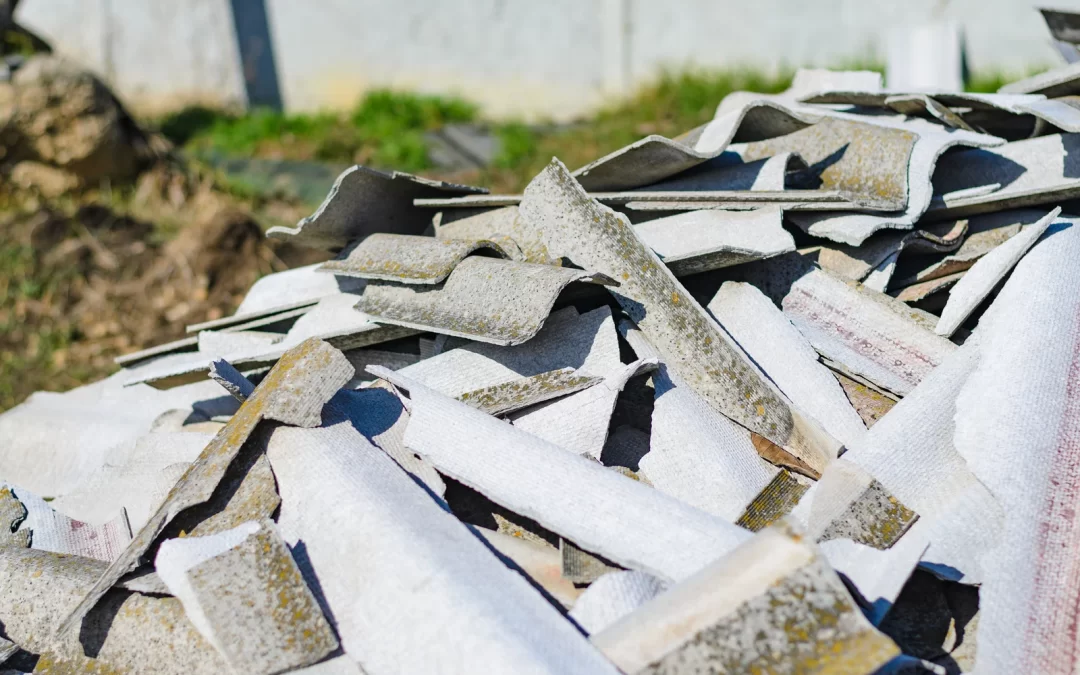
Asbestos was widely used in commercial buildings for decades because of its fire resistance and durability. You’ll often find it in insulation, ceiling tiles, drywall compound, pipe wrapping, vinyl flooring, and roofing materials. When these materials are disturbed during renovations or demolition, asbestos fibers can become airborne, posing severe health risks.
Because commercial projects generate larger volumes of asbestos-containing materials, the disposal requirements are far stricter than for general construction debris. Surrey follows provincial and federal regulations that classify asbestos as hazardous waste, meaning it must be handled, transported, and disposed of using approved methods only.
Why Regular Bins Are Not Allowed for Asbestos Waste
Regular waste bins are designed for non-hazardous materials such as wood, concrete, drywall, and packaging. They are not sealed, labeled, or monitored to prevent asbestos fiber release. Placing asbestos waste into a standard bin can expose workers, waste haulers, landfill staff, and the public to harmful fibers.
From a legal standpoint, it enforces WorkSafeBC and environmental regulations that prohibit mixing asbestos waste with general commercial debris. Improper disposal can result in project shutdowns, fines, cleanup orders, and long-term liability for businesses.
Health and Environmental Risks of Improper Disposal
Asbestos-related illnesses—including mesothelioma, lung cancer, and asbestosis—often develop years after exposure. Even small amounts of airborne fibers can be dangerous. When asbestos is placed in regular bins, it can easily break apart during transportation or dumping, contaminating equipment and disposal sites.
Environmentally, asbestos contamination is extremely difficult and expensive to remediate. This is why authorities take improper disposal very seriously, especially on commercial job sites where volumes are higher and risks are amplified.
What the Proper Disposal Process Looks Like
Commercial asbestos waste must be:
- Carefully removed by trained personnel
- Sealed in approved, leak-tight bags or containers
- Clearly labeled as asbestos-containing material
- Transported to licensed disposal facilities
This process ensures compliance and protects everyone involved in the waste handling chain.
Many businesses choose Bin Rental Services Surrey providers that offer asbestos-approved bins specifically designed for hazardous waste. These bins meet containment requirements and are handled in accordance with regulatory standards, ensuring full compliance from pickup to final disposal.
Can Asbestos Be Mixed With Other Commercial Waste?
No. Asbestos waste must never be mixed with other debris such as drywall, metal, or wood. Mixing materials increases contamination risks and can cause entire loads to be rejected at disposal facilities. Rejected loads often result in additional hauling fees, cleanup costs, and potential regulatory penalties.
For this reason, professional Commercial Waste Removal Surrey services separate asbestos waste from other materials right at the source. This segregation is not just best practice—it’s a legal requirement for commercial projects.
Legal Responsibilities for Businesses and Contractors
In Surrey, responsibility for proper asbestos disposal lies with:
- Property owners
- General contractors
- Project managers
- Employers overseeing the worksite
Failing to follow regulations can result in fines that run into thousands of dollars, along with reputational damage. Authorities may also require proof of compliant disposal, including waste manifests and landfill documentation.
Using licensed Asbestos Waste Disposal Surrey services ensures that your project meets all regulatory obligations while protecting workers and the surrounding community.
The Role of Professional Bin Rental Services
Specialized asbestos bins are fully enclosed, clearly marked, and transported by trained professionals. They reduce the risk of fiber release and ensure waste reaches approved hazardous disposal facilities.
Professional providers also guide businesses through compliance requirements, helping avoid costly mistakes. This support is especially valuable for commercial renovations, demolitions, and large-scale maintenance projects where asbestos exposure risks are higher.
Why Choose Canadian Empire Recycling
For Surrey businesses looking for compliant, reliable asbestos disposal solutions, contact Canadian Empire Recycling, which offers professional bin rental and hazardous waste handling services tailored to commercial projects. Their team understands local regulations and ensures asbestos waste is managed safely from start to finish.
By working with Canadian Empire Recycling, businesses can avoid regulatory issues, protect workers, and keep projects running smoothly without unnecessary delays or risks.
So, can commercial asbestos waste be placed in regular bins? Absolutely not. Doing so puts lives at risk and exposes businesses to serious legal consequences. Proper disposal requires specialized bins, trained handling, and approved disposal facilities.
If your commercial project involves asbestos, working with a trusted provider like Canadian Empire Recycling ensures compliance, safety, and peace of mind, allowing you to focus on your project while experts handle the hazardous waste responsibly.
For businesses managing broader commercial waste streams alongside asbestos removal, see our commercial and industrial waste removal Surrey services.
Frequently Asked Questions
What type of bin is required for commercial asbestos waste disposal?
Commercial asbestos waste must be placed in approved, sealed, and clearly labeled asbestos bins. These bins are designed to prevent fiber release and are handled by licensed waste removal providers.
Who is responsible for proper asbestos waste disposal on a commercial site?
The responsibility typically falls on property owners, contractors, employers, and project managers. Anyone overseeing the site can be held liable for improper disposal.
Can asbestos waste be mixed with other construction or demolition debris?
No. Asbestos waste must always be kept separate from other materials such as drywall, wood, or concrete. Mixing waste can lead to contamination, rejected loads, and additional disposal costs.
What happens if asbestos waste is disposed of incorrectly in Surrey?
Improper disposal can lead to significant fines, mandatory cleanup orders, legal action, and serious health risks. Authorities may also require documentation proving compliant disposal.