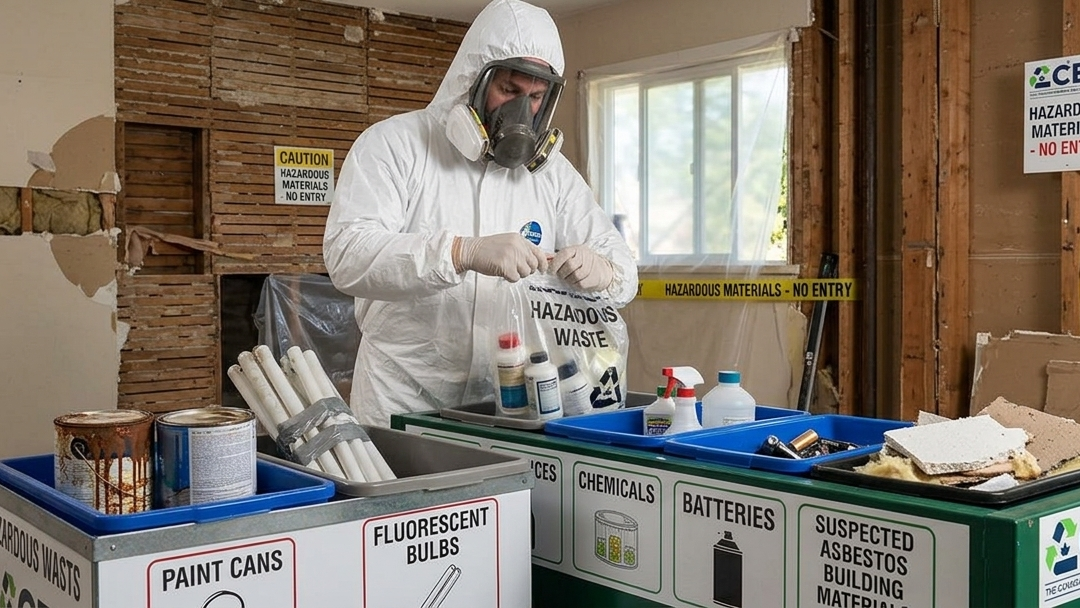
Home renovations often uncover more than outdated flooring or aging drywall. Many older Vancouver homes contain hazardous materials hidden behind walls, beneath flooring, inside ceilings, and around plumbing systems. Without proper identification and disposal, these materials can pose serious health, safety, and environmental risks.
Whether you’re remodeling a kitchen, updating a bathroom, or completing a full home renovation, understanding hidden hazardous waste helps ensure your project remains safe and compliant. Using a professional Hazardous Waste Disposal Vancouver is essential when potentially dangerous materials are discovered.
Why Older Homes Can Contain Hazardous Materials
Many construction materials that were once considered standard are now recognized as hazardous. Homes built decades ago may contain products that require specialized handling before renovation work can continue.
Because these materials are often concealed within the structure, homeowners may not realize they are present until demolition begins.
Common Hazardous Materials Found During Renovations
Asbestos-Containing Building Materials
Older homes may contain asbestos in insulation, ceiling textures, floor tiles, pipe insulation, roofing materials, and cement products. Disturbing asbestos releases microscopic fibers that can become airborne if handled improperly.
Lead-Based Paint
Homes built before modern paint regulations may still contain layers of lead-based paint beneath newer finishes. Sanding or scraping painted surfaces without proper precautions can create hazardous dust.
Mold-Contaminated Materials
Water damage hidden behind drywall or under flooring may lead to significant mold growth. While not classified as hazardous waste in every situation, contaminated materials often require controlled removal to protect indoor air quality.
Chemical Products Left Behind
Previous homeowners sometimes leave behind partially used chemicals, including:
- Paint thinners
- Solvents
- Adhesives
- Automotive fluids
- Pesticides
- Cleaning chemicals
These products should never be mixed with general construction debris.
Fluorescent Lighting
Older fluorescent tubes and compact fluorescent bulbs contain small amounts of mercury and require careful handling during replacement.
Why Proper Identification Is Important
Attempting to remove hazardous materials without proper assessment can increase health risks and delay renovation projects.
Professional identification helps:
- Protect workers and occupants
- Prevent environmental contamination
- Reduce liability
- Meet provincial waste regulations
- Ensure safe transportation and disposal
Identifying hazardous materials before demolition begins often saves time and avoids costly project interruptions.
Separating Renovation Waste Correctly
Renovation debris should be sorted into appropriate waste streams whenever possible.
Separate:
- General construction debris
- Wood
- Metal
- Concrete
- Drywall
- Hazardous materials
- Recyclable materials
Keeping hazardous waste isolated prevents contamination of recyclable materials and improves overall waste management efficiency.
Safe Temporary Storage During Renovations
If hazardous materials are discovered before removal, homeowners should:
- Leave damaged materials undisturbed whenever possible.
- Restrict access to affected areas.
- Keep chemicals in sealed original containers.
- Avoid mixing different hazardous products.
- Store materials away from heat and moisture until proper disposal is arranged.
Safe storage minimizes risks while disposal plans are organized.
Where Should Hazardous Renovation Waste Go?
Hazardous renovation materials should never be placed inside regular construction bins or household garbage.
Instead, approved handling methods should be used, including services associated with a Hazardous Waste Drop-off Depot Vancouver when appropriate for accepted household materials. Proper disposal ensures hazardous substances are managed safely while protecting people and the environment.
Planning Before Demolition
A pre-renovation inspection can help identify hidden hazards before work begins. Planning allows contractors and homeowners to prepare appropriate safety measures, avoid unexpected delays, and manage waste more efficiently.
For leftover paints, chemicals, batteries, and similar products generated during renovation projects, professional Household Hazardous Waste Disposal Vancouver services provide a safe and responsible disposal option.
Hidden hazardous materials are more common in home renovations than many homeowners expect. Identifying these materials early, separating them properly, and following approved disposal practices help protect your family, workers, and the surrounding environment while keeping renovation projects on schedule.
Canadian Empire Recycling & Disposal provides dependable waste management solutions for homeowners, contractors, and renovation projects across Vancouver. Contact Canadian Empire Recycling & Disposal today to discuss the safest waste management solution for your renovation project.
Frequently Asked Questions
Can hazardous renovation waste be placed in a regular construction bin?
No. Hazardous materials require separate handling and should never be mixed with general construction debris.
Why should hazardous materials be identified before demolition?
Early identification helps protect occupants and workers, prevents contamination, supports regulatory compliance, and reduces unexpected project delays.
How should hazardous materials be stored before disposal?
Keep them in sealed original containers when possible, avoid mixing chemicals, restrict access to affected areas, and protect materials from heat and moisture.
Why is professional hazardous waste disposal important during renovations?
Professional disposal helps ensure hazardous materials are managed safely, reduces environmental risks, and supports compliance with applicable waste management requirements.