Quick Answer
To prepare Styrofoam for recycling, it must be clean, dry, and free from contaminants such as food residue, tape, labels, and other packaging materials. Proper preparation helps improve recycling efficiency, reduces contamination, and ensures the material can be processed into new products rather than ending up in a landfill.
Why Styrofoam Recycling Matters
Styrofoam, commonly known as expanded polystyrene (EPS), is widely used for packaging, insulation, protective shipping materials, and food containers. While lightweight and durable, it occupies significant landfill space because it does not break down easily.
As Vancouver continues to prioritize sustainable waste management practices, more businesses and property owners are looking for ways to responsibly recycle materials that are often misunderstood, including Styrofoam.
Proper preparation is the first step toward successful recycling and resource recovery.
Understanding Different Types of Styrofoam
Before recycling begins, it is important to identify the type of material being handled.
Common examples include:
- Protective packaging blocks
- Appliance packaging
- Electronics packaging inserts
- Foam sheets
- Building insulation products
- Shipping protection materials
Not all foam products are accepted through every recycling stream, making proper sorting an important part of the process.
Step 1: Remove Contaminants
One of the biggest challenges in foam recycling is contamination.
Materials should be free from:
- Food residue
- Liquids
- Dirt
- Grease
- Adhesive tape
- Plastic wrap
- Labels
- Cardboard attachments
Contaminated materials may be rejected during processing because they can affect the quality of recycled products.
Step 2: Separate Styrofoam from Mixed Waste
Many businesses dispose of foam packaging alongside general waste.
Instead, recyclable foam should be separated at the source and placed in designated collection areas.
Source separation offers several benefits:
- Reduces contamination
- Improves recovery rates
- Simplifies processing
- Supports sustainability initiatives
Organizations generating large quantities of packaging waste often benefit from implementing dedicated recycling procedures.
Step 3: Keep Materials Dry
Moisture can create challenges during transportation and processing.
Wet foam may:
- Attract contaminants
- Increase handling difficulties
- Reduce recycling efficiency
- Affect storage conditions
Whenever possible, recyclable materials should be stored indoors or in covered collection areas.
Step 4: Break Down Large Pieces When Appropriate
Large packaging blocks can consume valuable storage and transportation space.
Some recycling operations recommend reducing oversized pieces into manageable sections to improve storage efficiency and transportation logistics.
However, materials should remain clean and uncontaminated throughout the process.
Step 5: Establish Collection Procedures for Commercial Properties
Commercial facilities often generate substantial amounts of foam packaging.
Warehouses, distribution centers, retailers, manufacturers, and construction companies can improve recycling outcomes by establishing:
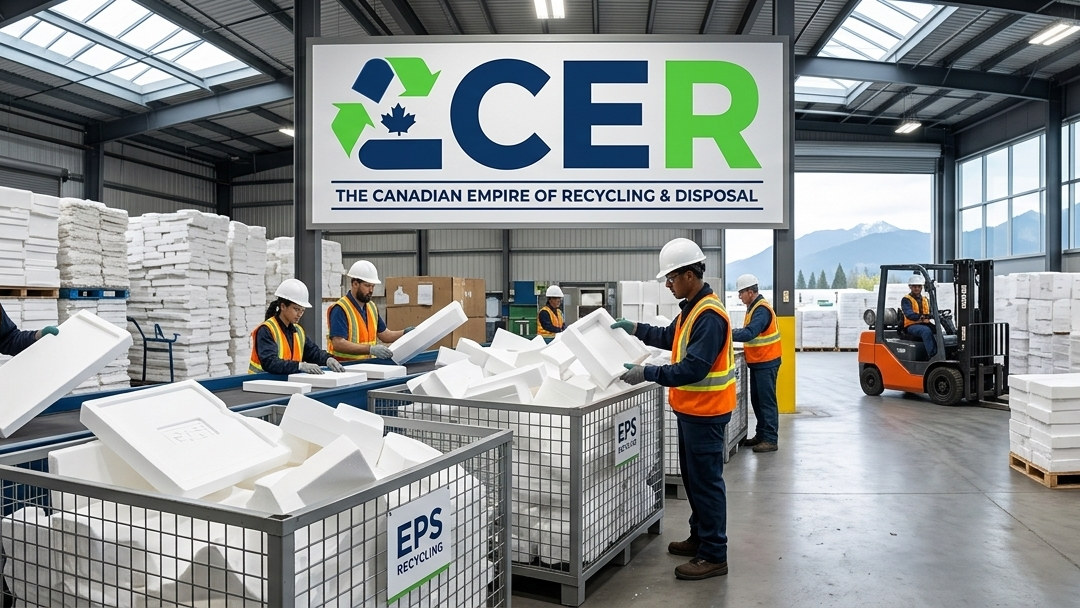
- Designated collection zones
- Employee training programs
- Material handling guidelines
- Waste diversion strategies
These practices help create more efficient recycling systems and reduce landfill dependency.
Advanced Recycling Challenges Businesses Should Understand
Contamination Control
Even small amounts of contamination can reduce the recyclability of foam materials.
Advanced recycling programs often implement inspection procedures before transportation to ensure acceptable material quality.
Volume Management
Styrofoam is lightweight but bulky.
Organizations generating large quantities may require specialized collection and transportation strategies to improve operational efficiency.
Material Identification
Different foam products may have different recycling requirements. Proper identification helps ensure materials enter the appropriate processing stream.
Waste Stream Audits
Many businesses conduct waste audits to identify recyclable materials that are currently being discarded.
These assessments can uncover opportunities to improve diversion rates and reduce disposal costs.
The Role of Sustainable Waste Management in Vancouver
Many organizations are adopting broader environmental strategies that extend beyond traditional recycling programs.
Integrating Styrofoam Recycling Vancouver initiatives into existing sustainability efforts can help businesses reduce landfill contributions while supporting circular economy objectives.
At the same time, effective waste planning ensures recyclable materials are separated from streams that may require specialized handling, such as Hazardous Waste Disposal Vancouver services.
For larger facilities and commercial operations, combining recycling programs with professional Commercial Waste Recycling Vancouver solutions often results in more efficient resource management and improved environmental performance.
Common Mistakes to Avoid
Many recycling opportunities are lost because of avoidable errors.
Common mistakes include:
- Recycling contaminated foam
- Mixing materials with general garbage
- Storing materials outdoors without protection
- Ignoring employee training
- Failing to separate packaging waste
- Overlooking waste reduction opportunities
Addressing these issues can significantly improve recycling success rates.
Why Proper Styrofoam Preparation Matters
Successful recycling begins long before materials reach a processing facility.
Clean, properly sorted, and well-managed foam materials are more likely to be accepted for recycling and transformed into useful products. Organizations that implement effective preparation procedures often achieve better waste diversion results, lower disposal costs, and stronger sustainability performance.
As Vancouver continues to advance environmental initiatives, responsible recycling practices will remain an important part of modern waste management strategies.
Looking for Professional Recycling Solutions?
Whether you manage a warehouse, construction project, commercial property, retail operation, or industrial facility, effective waste management starts with proper material handling and recycling practices.
Canadian Empire Recycling & Disposal provides dependable recycling and waste management solutions designed to help businesses and property owners improve diversion rates and manage waste responsibly throughout Vancouver and surrounding communities.
For expert assistance with recycling programs, commercial waste management, and sustainable disposal solutions, contact Canadian Empire Recycling & Disposal today to discuss your waste handling requirements and environmental goals.
Frequently Asked Questions
Why is Styrofoam difficult to recycle?
Its lightweight and bulky nature makes collection, transportation, and processing more complex than many other recyclable materials.
Should tape and labels be removed before recycling?
Yes. Removing tape, labels, and attached packaging materials helps improve recycling quality and reduce contamination.
Can businesses benefit from Styrofoam recycling programs?
Absolutely. Recycling programs can improve waste diversion rates, support sustainability goals, and reduce landfill dependence.
How can commercial facilities improve Styrofoam recycling efficiency?
Implementing source separation, employee training, waste audits, and designated collection procedures can significantly improve recycling outcomes.