When you’re planning a home renovation—especially in homes built before the 1990s—there’s one word that should immediately raise caution: asbestos. This once-popular building material was prized for its fire resistance and insulation properties, but is now known to pose serious health risks. If disturbed, asbestos-containing materials can release dangerous fibers into the air, which, when inhaled, may lead to serious illnesses like asbestosis, mesothelioma, and lung cancer.
Whether you’re tearing down walls, replacing insulation, or renovating flooring, knowing how to handle and dispose of asbestos properly is essential for the safety of your household, renovation crew, and the environment.
Why Asbestos Is Dangerous
Asbestos is only hazardous when its microscopic fibers become airborne and are inhaled. That’s why undisturbed asbestos in good condition may not pose a threat, but once renovation work begins, materials like textured ceiling coatings, floor tiles, drywall compound, cement siding, or pipe insulation can be compromised.
Step 1: Know the Law
In Canada, the handling and disposal of asbestos is strictly regulated. Homeowners, contractors, and renovators are responsible for identifying, handling, and disposing of asbestos according to provincial WorkSafe and environmental regulations. In British Columbia, for example, WorkSafeBC has strict rules about notifying authorities, using protective equipment, and disposing of asbestos waste at approved facilities. Asbestos Disposal Vancouver services ensure compliance with local regulations and safe handling of contaminated materials.
Step 2: Identify and Test Before You Touch
Before you begin any demolition or renovation:
- Do not disturb suspected materials.
- Hire a qualified asbestos abatement professional to inspect and take samples.
- Samples must be tested in a certified lab to confirm the presence of asbestos.
Never assume a material is safe just because it looks harmless.
Step 3: Plan for Safe Removal
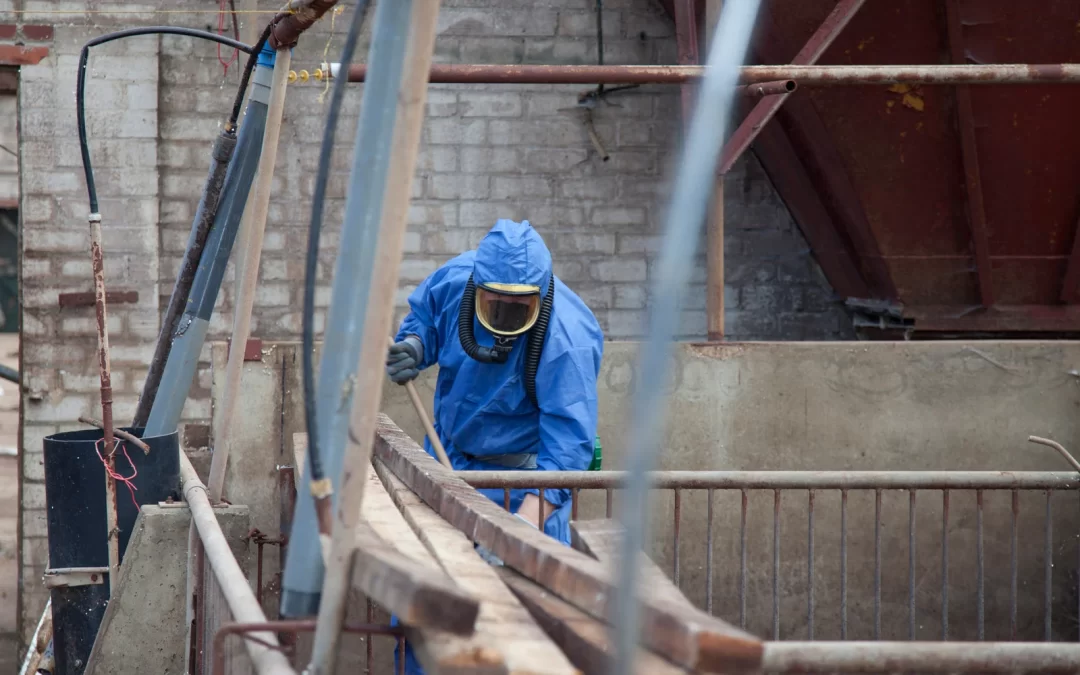
If asbestos is confirmed, you’ll need to hire a licensed abatement contractor. These professionals are trained to:
- Seal off the contaminated area
- Use negative air pressure to prevent fiber spread
- Wear appropriate personal protective equipment (PPE)
- Properly remove, double-bag, and label asbestos waste
This process often generates other types of construction-related debris as well. For the responsible handling of renovation leftovers like drywall, wood, and insulation, consider working with a Construction Waste Disposal Vancouver provider to ensure nothing harmful ends up in the landfill unsafely.
Step 4: Proper Packaging and Labeling
Once removed, asbestos waste must be:
- Placed in heavy-duty plastic bags or leak-tight containers
- Clearly labeled with “DANGER ASBESTOS – DO NOT INHALE DUST”
- Sealed tightly to prevent leaks
This packaging prevents contamination during transport and protects sanitation workers and landfill staff.
Step 5: Approved Disposal Only
You can’t throw asbestos in your regular garbage or haul it to any landfill. Asbestos waste must go to:
- Approved hazardous waste facilities
- Licensed recycling or disposal centers like Canadian Empire Recycling that accept asbestos-containing materials
To prevent legal violations and health hazards, it’s best to consult a certified Hazardous Waste Disposal Vancouver company that understands the local requirements for proper processing and documentation.
Step 6: Keep Documentation
After the job, keep records of:
- Asbestos testing results
- Abatement and disposal contractor details
- Disposal receipts or manifests
This documentation is critical for insurance, real estate transactions, or legal compliance.
Protecting People and the Planet
Improper asbestos removal puts workers, families, and entire communities at risk. It also contributes to long-term contamination of soil and water sources if not disposed of correctly. By following safe practices, you’re protecting not only your own home but also your neighbors and the environment.
Bonus Tips for Renovators and DIYers
- Delay work until testing is complete—don’t take shortcuts.
- Alert your contractor if your home was built before 1990.
- Don’t sweep or vacuum asbestos debris—it spreads fibers.
- Use wet methods (mist water) to reduce airborne particles during removal.
Renovating an older home can breathe new life into your space—but only if it’s done safely. When asbestos is involved, the risks are too great to ignore. Always get the right tests, hire certified professionals, and dispose of waste properly at licensed facilities. Safe renovations aren’t just a best practice—they’re the law.
For safe and compliant disposal of asbestos and other hazardous renovation waste, you can contact Canadian Empire Recycling – Vancouver. They are experienced in handling hazardous materials and can guide you through proper drop-off procedures.