
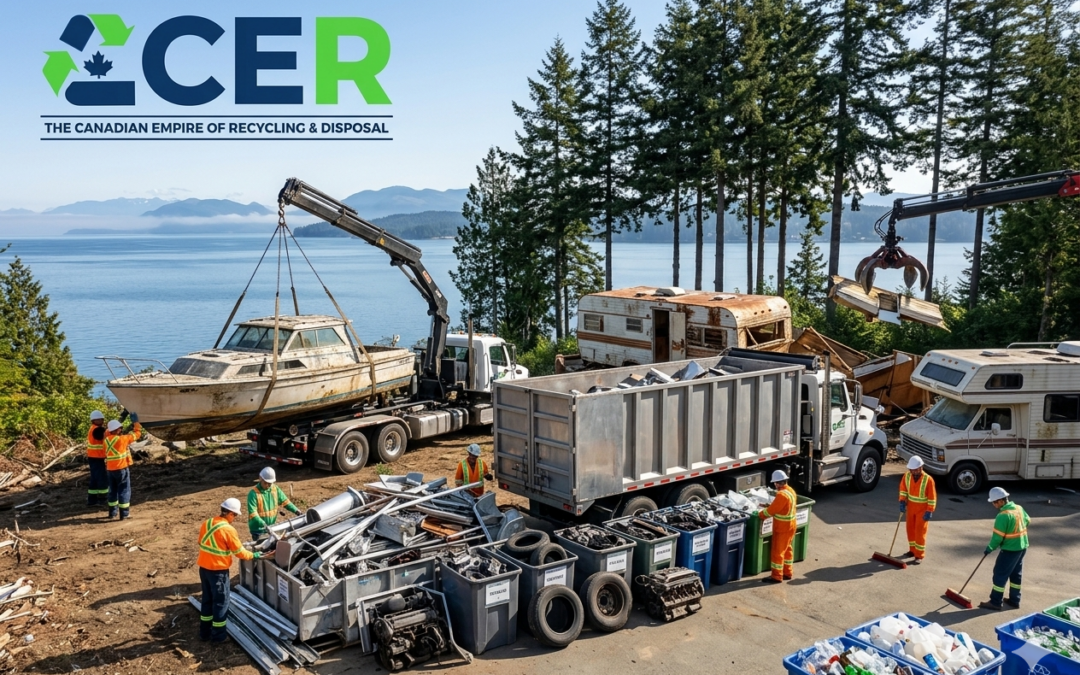
Owning a boat, camper, or RV can provide years of adventure and enjoyment. However, when these recreational vehicles reach the end of their lifespan, become damaged beyond repair, or simply sit unused for years, disposal becomes a challenge. Many property owners in Nanaimo struggle to find safe and environmentally responsible ways to remove old recreational vehicles. Improper disposal can lead to environmental hazards, safety concerns, and unnecessary clutter on your property.
This guide explains the best practices for Boat / Camper / RV Disposal Nanaimo, helping residents understand their disposal options while protecting the environment and complying with local regulations.
Why Proper Disposal Matters
Old boats, campers, and RVs contain a variety of materials that require careful handling. Fiberglass, metal components, batteries, fuel tanks, oils, plastics, and electronics can pose environmental risks if abandoned or disposed of incorrectly.
Proper disposal helps:
- Prevent soil and water contamination
- Reduce landfill waste
- Recover valuable recyclable materials
- Improve neighborhood appearance
- Free up valuable property space
- Ensure compliance with environmental regulations
Choosing professional disposal services ensures these materials are handled responsibly and diverted from landfills whenever possible.
Common Reasons for Boat, Camper, and RV Disposal
Many residents seek Boat/ Camper / RV Disposal Nanaimo for various reasons, including:
1. End-of-Life Vehicles
Older recreational vehicles often become too expensive to repair. Mechanical failures, structural damage, or outdated systems can make continued use impractical.
2. Accident or Storm Damage
Severe weather, flooding, accidents, or fallen trees can leave boats and RVs unsafe or unusable. Disposal may be the most cost-effective option.
3. Property Cleanup Projects
Unused campers and abandoned boats frequently occupy driveways, storage yards, and commercial properties. Removing them creates additional space and improves property value.
4. Selling Challenges
Finding buyers for older recreational vehicles can be difficult. Disposal offers a practical solution when selling is no longer feasible.
Environmental Concerns Associated with Recreational Vehicles
Many people underestimate the environmental impact of abandoned boats and RVs. These vehicles often contain:
- Lead-acid batteries
- Fuel residues
- Engine oils and lubricants
- Refrigerants
- Fiberglass materials
- Treated wood
- Electrical wiring
- Plastic components
When left exposed to the elements, these materials can deteriorate and release pollutants into surrounding ecosystems. Professional disposal services help prevent environmental contamination through proper removal and recycling practices.
Boat Disposal Process
Boat disposal involves more than simply transporting a vessel to a landfill.
Inspection and Assessment
Professionals first evaluate the boat’s size, condition, and materials to determine the safest disposal method.
Hazardous Material Removal
Fuel, oil, batteries, and other hazardous substances are carefully removed before dismantling begins.
Dismantling and Material Separation
The boat is broken down into recyclable and non-recyclable components. Metals, wiring, and reusable materials are separated for processing.
Recycling
Steel, aluminum, copper, and other recoverable materials are sent to recycling facilities where they can be reused in manufacturing new products.
Camper Disposal Process
Campers often contain a mixture of materials that require specialized handling.
Typical disposal steps include:
- Removal of appliances
- Battery extraction
- Fluid removal
- Separation of metal framing
- Recycling of aluminum components
- Disposal of non-recyclable materials according to environmental guidelines
This systematic approach maximizes material recovery while minimizing waste.
RV Disposal and Recycling
Recreational vehicles are among the most complex items to recycle due to their combination of automotive and residential components.
An RV may contain:
- Steel frames
- Aluminum siding
- Copper wiring
- Plumbing fixtures
- Appliances
- Electronics
- Rubber tires
- Plastic interiors
Professional recyclers dismantle these components individually, ensuring recyclable materials are recovered efficiently.
Benefits of Professional Disposal Services
Hiring experienced disposal specialists offers several advantages.
Safety
Large recreational vehicles are difficult to move without proper equipment. Professionals have the tools and expertise needed for safe transportation and removal.
Environmental Responsibility
Professional disposal providers follow environmentally responsible procedures designed to maximize recycling and reduce landfill impact.
Time Savings
Attempting to dismantle or transport a large boat or RV independently can take significant time and effort. Professional services streamline the entire process.
Legal Compliance
Proper disposal helps ensure compliance with local environmental and waste management regulations.
Recycling Opportunities in Nanaimo
Many components from old recreational vehicles can be recycled, including:
- Steel
- Aluminum
- Copper
- Lead batteries
- Electrical wiring
- Tires
- Appliances
- Certain plastics
Recycling these materials conserves natural resources and reduces the need for new raw material extraction.
Signs It Is Time to Dispose of Your Boat, Camper, or RV
You may want to consider disposal if:
- Repairs exceed the vehicle’s value
- The unit has been unused for years
- Structural damage makes it unsafe
- Mold or water damage is extensive
- Storage costs are becoming excessive
- Registration and maintenance expenses are no longer worthwhile
Removing unused recreational vehicles can improve both safety and property appearance.
Preparing for Disposal
Before scheduling removal, consider taking the following steps:
- Remove personal belongings.
- Gather ownership documents if available.
- Drain water tanks when possible.
- Inform the disposal company Nanaimo about the vehicle condition.
- Identify any access limitations on the property.
These preparations can help ensure a smoother removal process.
The Importance of Sustainable Disposal Practices
Sustainability plays an increasingly important role in waste management. Responsible disposal focuses on:
- Maximizing recycling rates
- Reducing landfill dependency
- Recovering reusable materials
- Preventing environmental contamination
- Supporting the circular economy
By choosing professional recycling services, Nanaimo residents contribute to cleaner communities and a healthier environment.
Contact Canadian Empire Recycling & Disposal
If you need reliable Boat / Camper / RV Disposal Nanaimo, Canadian Empire Recycling & Disposal can help. Their experienced team provides efficient removal solutions for unwanted recreational vehicles while prioritizing environmentally responsible recycling and disposal practices. Whether you have an aging RV, abandoned camper, or damaged boat taking up valuable space, Canadian Empire Recycling & Disposal offers professional assistance to help clear your property safely and responsibly. Contact Canadian Empire Recycling & Disposal to learn more about available disposal and recycling services in Nanaimo.