
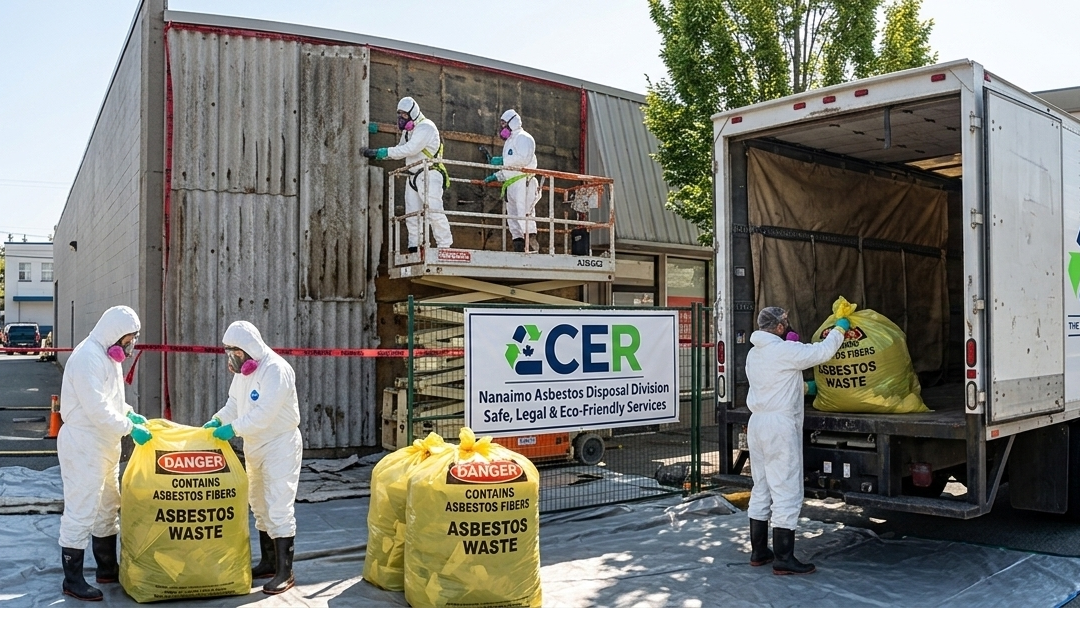
Handling asbestos waste is a critical safety task that requires careful planning, knowledge of local regulations, and the proper tools. Asbestos, commonly found in older buildings, insulation, flooring, and roofing materials, is hazardous to health if disturbed improperly. Exposure to asbestos fibers can lead to serious lung conditions, including asbestosis, lung cancer, and mesothelioma.
If you live or work in Nanaimo, understanding the proper procedures for asbestos waste management is essential for protecting yourself, your family, and your community. This guide explains how to handle asbestos safely, from identification to disposal, ensuring compliance with provincial regulations.
Understanding Asbestos and Its Hazards
Asbestos is a naturally occurring mineral known for its heat resistance, durability, and insulating properties. For decades, it was widely used in construction materials such as:
- Insulation boards and pipes
- Roofing shingles
- Vinyl flooring and tiles
- Ceiling tiles
- Cement siding
While intact asbestos-containing materials pose minimal risk, damage or disturbance releases microscopic fibers into the air. Inhalation of these fibers is extremely dangerous, which is why proper handling and disposal are strictly regulated.
Identifying Asbestos in Your Property
Before attempting any removal, it is crucial to confirm the presence of asbestos. Common steps include:
- Inspect Older Materials: Buildings constructed before the 1990s are more likely to contain asbestos. Check insulation, flooring, roofing, and drywall.
- Look for Warning Labels: Some products may have manufacturer labels indicating asbestos content.
- Hire a Certified Asbestos Inspector: Professionals can safely collect samples and determine the presence and condition of asbestos materials.
Never disturb suspected asbestos materials yourself unless you are trained and equipped with proper safety gear.
Safety Precautions for Handling Asbestos Waste
When handling asbestos, strict safety measures must be followed:
- Wear Protective Clothing: Disposable coveralls, gloves, and boots prevent fibers from sticking to your skin and clothing.
- Use Respiratory Protection: A P100 respirator mask is recommended for filtering asbestos fibers.
- Minimize Disturbance: Avoid cutting, sanding, or breaking asbestos materials. Wetting materials before removal reduces fiber release.
- Work in a Controlled Area: Isolate the workspace using plastic sheeting and tape to prevent fibers from spreading.
- Clean Up Properly: Use a HEPA vacuum or a damp cloth to remove fibers. Never use a regular broom or dry sweeping, which can release fibers into the air.
Following these precautions reduces exposure risks significantly.
Packaging and Labeling Asbestos Waste
Proper packaging is critical for safe disposal:
- Double-Bagging: Place asbestos waste in two layers of thick, heavy-duty plastic bags.
- Seal Tightly: Use duct tape to seal all openings.
- Label Clearly: Mark the packages with “Asbestos Waste – Do Not Open” to alert waste handlers.
- Avoid Overfilling: Bags should not exceed 50 pounds to reduce the risk of tearing.
These steps ensure the waste is safe for transport and disposal.
Transporting Asbestos Waste
Transportation of asbestos waste is regulated in Nanaimo. Key guidelines include:
- Only licensed professionals should transport large amounts of asbestos.
- Vehicles should be covered to prevent fiber release.
- Follow provincial waste management regulations and documentation requirements.
Attempting to transport asbestos improperly can result in fines and significant health risks.
Professional Asbestos Waste Disposal
Due to the dangers and strict regulations, hiring professional services is the safest approach for most homeowners and contractors. Certified asbestos disposal companies Nanaimo provide:
- Safe removal and containment
- Proper packaging and labeling
- Transport to approved disposal sites
- Compliance with federal and provincial regulations
Professional services reduce health risks, prevent contamination, and ensure legal compliance.
Environmental and Health Benefits of Proper Disposal
Safe asbestos disposal prevents environmental contamination and protects public health. Asbestos fibers in landfills can become airborne if handled incorrectly, posing risks to sanitation workers and the surrounding community. Proper disposal at licensed facilities ensures that fibers are safely contained and managed.
For residents and contractors in Nanaimo seeking safe and compliant asbestos handling, Canadian Empire Recycling & Disposal offers expert services. Their team handles everything from removal and packaging to transport and disposal, ensuring that your asbestos waste is managed safely and legally. Contact Canadian Empire Recycling & Disposal to schedule service and protect your home, workers, and community.