
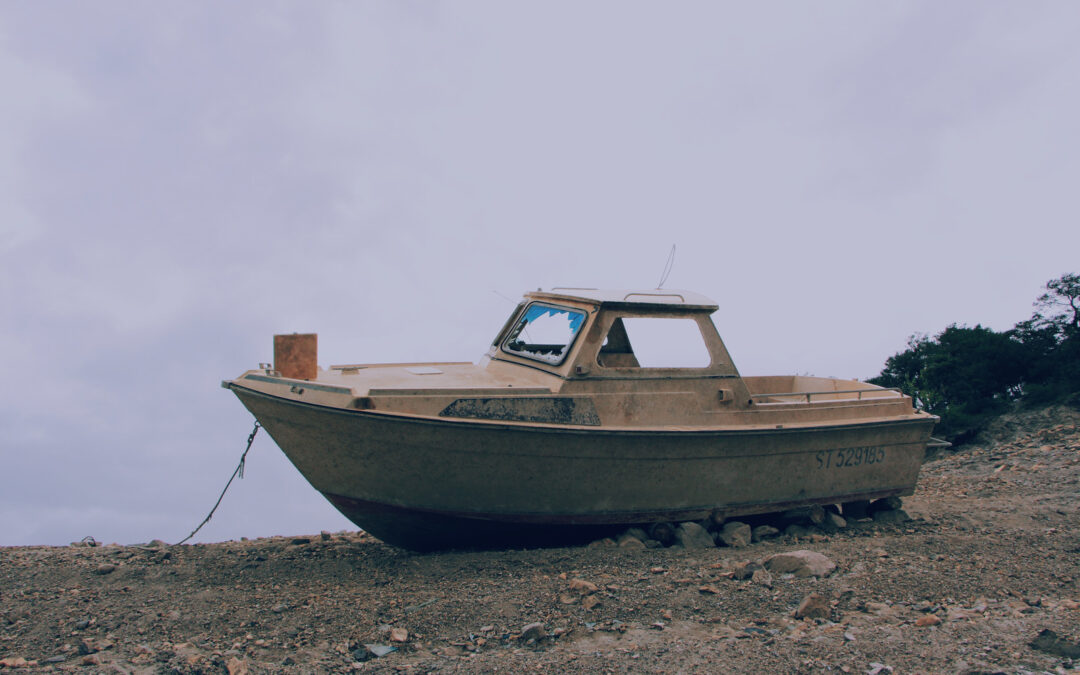
Getting rid of an old boat, camper, or RV in Nanaimo can feel overwhelming, especially when the vehicle is damaged, no longer roadworthy, or simply too costly to repair. Recreational vehicles contain metal, plastic, oils, chemicals, fibreglass, and treated materials that cannot be disposed of like regular household junk. On Vancouver Island—where the environment is sensitive, and regulations are strict, responsible disposal isn’t just recommended; it’s necessary.
Whether your vessel has been sitting unused for years or your RV is finally beyond repair, this guide explains how to safely, legally, and efficiently handle Boat, Camper & RV Disposal Nanaimo.
Why Proper Disposal Matters
Nanaimo’s marine surroundings make it especially important to prevent pollutants from leaking into the ocean, soil, or stormwater systems. Abandoned boats and RVs can release oil, fuel, coolant, antifreeze, sewage, batteries, and other contaminants that are harmful to wildlife and local ecosystems.
Proper disposal ensures:
- Hazardous fluids are safely drained
- Recyclable materials are recovered
- Pollution risks are eliminated
- Compliance with provincial and local laws
- Reduced landfill waste
Taking a responsible approach protects both the environment and the community.
Step 1: Evaluate the Condition of Your Boat, Camper, or RV
Not every recreational vehicle needs full disposal. Some may be:
- Partially salvageable
- Suitable for parts recycling
- Usable after repairs
- Valuable for scrap metal
Before moving forward, assess whether the structure can be resold, donated, or salvaged for parts. If the frame is rotted, the hull is damaged, or the motor is beyond repair, then disposal is the right option. A professional assessment can help determine whether dismantling or total removal is required.
Step 2: Remove Personal Items and Documentation
Boats and RVs often contain years’ worth of stored items. Before disposal:
- Empty cabinets, storage compartments, and exterior lockers
- Remove propane tanks, tools, electronics, fishing gear, or camping supplies
- Gather ownership documents or registration papers
- Take out any removable RV appliances or accessories
Disposal companies may require you to prove ownership before they accept a vehicle, so ensure paperwork is available.
Step 3: Handle Hazardous Fluids and Components Properly
Recreational vehicles contain multiple hazardous materials that require careful removal:
Fluids to Drain Safely
- Gasoline or diesel
- Motor oil
- Transmission fluid
- Brake fluid
- Coolant/antifreeze
- Greywater and blackwater from RV holding tanks
Hazardous Components
- Batteries
- Propane tanks
- Electrical systems
- Oil filters
- Old wiring
- Pressurized containers
Improper handling can lead to spills, fires, or environmental contamination. Because of the risks, these components should always be handled by trained professionals with the right tools and containment equipment.
Step 4: Understand Nanaimo’s Local Disposal Rules
Nanaimo has strict regulations around abandoned vessels and improper dumping. Leaving a deteriorating boat on public land, at a marina, or in the ocean can result in:
- Fines
- Legal action
- Forced removal at the owner’s expense
The City of Nanaimo and the BC Ministry of Environment require safe handling of hazardous materials and environmentally responsible disposal of fibreglass, electronics, and scrap metal. Working with a disposal service that understands these regulations ensures compliance and prevents costly penalties.
Step 5: Arrange Safe Towing or Transport
Most old boats, campers, and RVs are not roadworthy. Boats may no longer sit safely on their trailers, and RV frames may be rusted or unstable. Attempting to move them yourself can lead to accidents or roadside hazards.
Professional disposal companies can arrange:
- Flatbed towing
- Heavy-duty trailers
- Winching and lifting equipment
- Secure load tie-down
- Marina or yard extraction
Safe transportation is one of the most important steps in preventing injuries or property damage.
Step 6: Choose a Responsible Disposal or Recycling Service
A professional disposal specialist ensures the vehicle is dismantled safely and sustainably. The right company will:
- Drain fluids correctly
- Remove hazardous materials
- Recycle metal, electronics, and reusable components
- Dismantle fibreglass hulls properly
- Minimize landfill waste
- Provide full pickup and removal
Choosing a disposal provider with experience in large recreational vehicles ensures everything is handled smoothly from start to finish.
Eco-Friendly Disposal Options
Nanaimo residents are increasingly choosing eco-friendly disposal methods to minimize environmental impact. Many parts of boats, RVs, and campers can be recycled:
- Metal frames
- Electrical components
- Tires and rubber
- Plastics
- Fibreglass (processed at specialized facilities)
- Appliances
- Batteries
This approach reduces waste, decreases pollution, and supports the circular economy.
Avoiding Common Disposal Mistakes
When disposing of an old boat, camper, or RV, avoid:
- Abandoning the vehicle on public land or near marinas
- Attempting untrained dismantling without safety gear
- Dumping debris improperly
- Burning old boats or campers
- Draining fluids into soil or drains
- Selling unsafe vehicles without disclosure
These mistakes can lead to heavy fines, environmental harm, and safety risks.
When to Call a Professional Disposal Service
It’s time to contact experts when:
- The vehicle is no longer safe or towable
- Hazardous materials are present
- You lack the tools and equipment for dismantling
- The structure is too large to move
- You want a stress-free, legal disposal process
Professional services handle everything from towing and dismantling to recycling and paperwork. They also provide guidance on local regulations, making the process safe and fully compliant.
Canadian Empire Recycling Supports Safe RV and Boat Disposal
For residents in Nanaimo seeking professional, eco-friendly Boat, Camper & RV Disposal Nanaimo, Canadian Empire Recycling offers full-service solutions. They manage hazardous materials, handle recycling, and provide secure vehicle removal, making the process safe, easy, and environmentally responsible.
Proper disposal of boats, campers, and RVs is critical for safety, legal compliance, and environmental protection. With planning, professional support, and the right disposal partner, you can clear your property efficiently, recycle valuable materials, and avoid unnecessary risks. For stress-free, reliable, and responsible removal, contact Canadian Empire Recycling and ensure your Nanaimo recreational vehicles are disposed of safely and sustainably.