
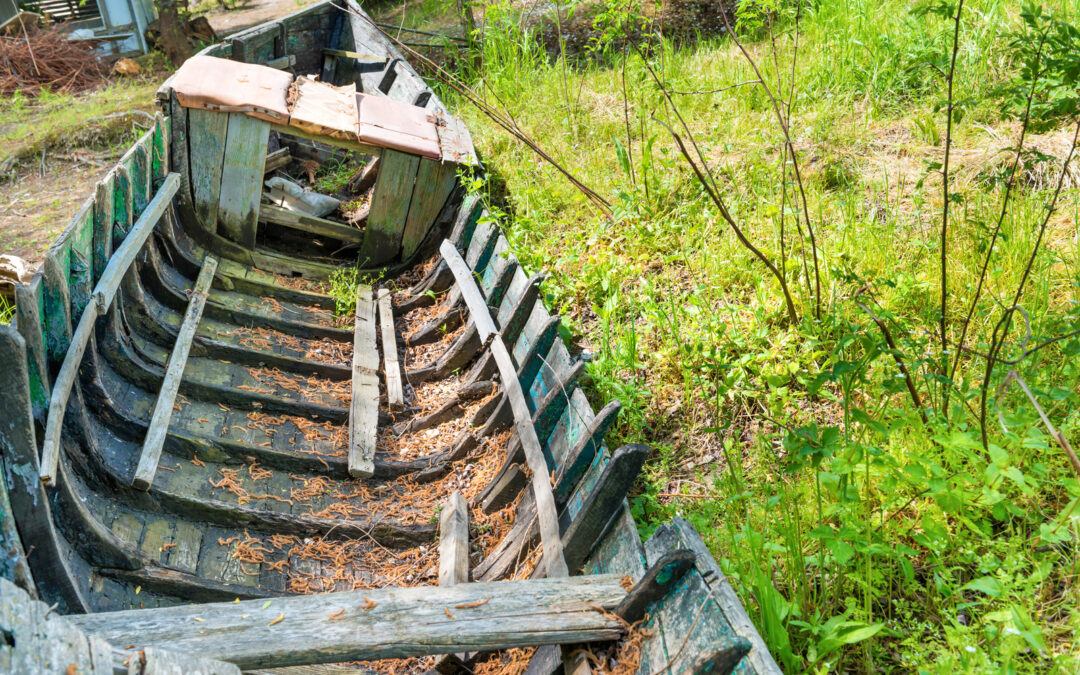
Owning a boat, camper, or RV is a fantastic way to explore Vancouver Island, enjoy nature, and create unforgettable memories. However, when these vehicles reach the end of their lifespan, whether due to age, structural damage, or the need for expensive repairs, the next big question is what to do with them. In Nanaimo, responsible disposal matters not just for convenience but for environmental protection and regulatory compliance.
Why Proper Disposal Matters
End-of-life boats and recreational vehicles contain a mix of hazardous materials: fuel, oils, fibreglass, batteries, coolants, and electrical components. If these materials are dumped improperly or left abandoned, they can contaminate soil, waterways, and local ecosystems. Improper disposal can also result in fines. Choosing the right disposal method helps keep the community cleaner, safer, and more sustainable.
Step 1: Know When It’s Time to Retire Your Boat, Camper, or RV
Sometimes repair is still possible, but there are signs that disposal is the more practical route:
- The frame is heavily corroded or damaged
- The cost of repairs exceeds the value of the vehicle
- The engine is nonfunctional or unsafe
- Water damage or mould has compromised the structure
- The vehicle has been sitting idle for years and is no longer road- or sea-worthy
If you’ve reached this point, disposal or recycling becomes the smartest and most responsible choice.
Step 2: Remove Personal Belongings and Salvageable Parts
Before disposing of your boat, RV, or camper, take time to empty it. Personal items, gas cylinders, electronics, and loose equipment should all be removed. Many parts can be salvaged, including batteries, electronics, metal fittings, appliances, and trailer components. Salvaging not only reduces waste but can also help offset disposal costs.
Step 3: Drain and Remove All Hazardous Materials
Boats, RVs, and campers contain several hazardous waste Nanaimo that cannot go directly to landfills. These substances include:
- Fuel and oil
- Coolants and hydraulic fluids
- Batteries and propane tanks
- Refrigerants
- Wastewater
These materials should be removed safely, following local regulations. Some property owners work with trusted partners such as Canadian Empire Recycling to ensure hazardous components are handled correctly.
Step 4: Choose the Best Disposal Method
Several options exist depending on your vehicle’s size and condition:
1. Professional Disposal Services
Companies specialize in dismantling, transporting, and recycling large vehicles. They ensure hazardous materials are processed responsibly and recyclable components are recovered.
2. Recycling Programs
Fibreglass, metal, and aluminum components can often be recycled through dedicated programs.
3. Sell or Donate
If the boat or RV is still usable, consider selling or donating it to charity, hobbyists, or restoration enthusiasts.
4. Scrap Metal Facilities
Heavy metal frames, trailers, and fittings may be accepted by local scrap yards. Always confirm in advance.
Step 5: Handle Transportation Safely
Transporting oversized vehicles requires planning. Towing services specializing in boats, campers, and RVs ensure safe delivery. Many professional disposal companies include transportation in their services, reducing risk and stress.
Environmental Benefits of Responsible Disposal
Proper disposal prevents contamination, reduces landfill pressure, and recycles valuable materials. It also helps maintain Nanaimo’s natural beauty and contributes to community sustainability efforts. Partnering with services like Canadian Empire Recycling ensures that vehicles are dismantled and recycled according to environmental standards.
Step 6: Keep Costs Manageable
Disposal costs vary. To reduce expenses:
- Remove and sell salvageable parts
- Drain fluids safely
- Deliver the vehicle yourself if feasible
- Compare quotes from multiple disposal providers
- Maintain proper paperwork
Being organized makes the process smoother and more affordable.
Boats, campers, or RVs disposal in Nanaimo doesn’t have to be stressful. With proper planning, environmental awareness, and professional support, the process can be safe, efficient, and responsible. For homeowners and businesses looking for reliable removal and recycling solutions, contact Canadian Empire Recycling. Their team provides professional services that handle vehicles safely while protecting the environment and keeping your property clean.