
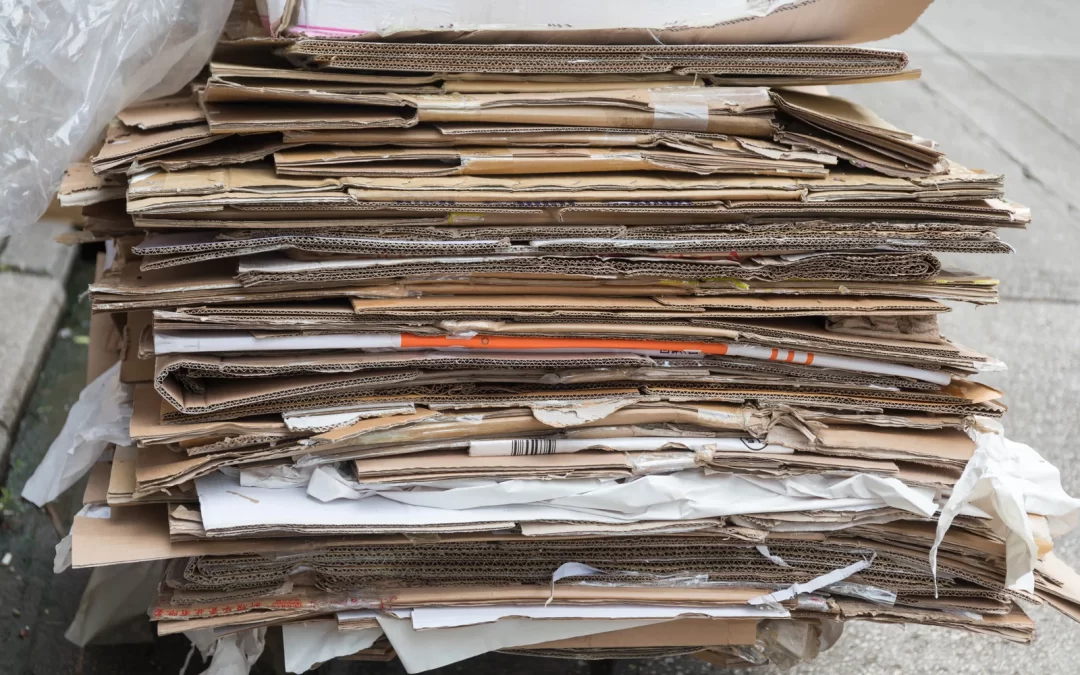
Cardboard is one of the most common waste materials produced by commercial spaces, from retail stores and restaurants to offices and warehouses. It’s easy to overlook how much passes through your business each week, especially with packaging, shipping, and deliveries constantly flowing in and out.
While cardboard is recyclable, improper handling and disposal can turn this recyclable resource into landfill waste. For businesses committed to sustainability, knowing how to recycle correctly is key to maintaining compliance and minimizing waste costs.
Here’s how Nanaimo businesses can recycle efficiently through proper Commercial Waste Disposal practices.
Why Recycling Matters for Nanaimo Businesses
Cardboard might seem harmless, but when it’s not recycled properly, it quickly adds up in landfills. Every ton of cardboard that isn’t recycled contributes to unnecessary deforestation, wasted water, and increased greenhouse gas emissions.
In contrast, recycling cardboard:
- Saves natural resources: Recycling one ton of it saves around 17 trees and 7,000 gallons of water.
- Reduces landfill waste: Nanaimo’s landfill sites have limited space proper recycling eases that burden.
- Cuts costs for businesses: Cardboard recycling can lower waste disposal fees and even generate revenue for high volumes.
- Improves brand image: Environmentally conscious customers prefer to support businesses that recycle responsibly.
By following simple recycling best practices, businesses can make a big difference for the local environment and their bottom line.
Common Mistakes Businesses Make When Recycling Cardboard
Even with good intentions, many companies make small errors that prevent them from being recyclable. Here are some of the most common mistakes seen in commercial spaces:
- Recycling Wet or Contaminated Cardboard
Food stains, oil, or water damage make it unrecyclable. Always keep recycling bins dry and separate from waste areas. - Leaving Packaging Tape and Labels On
Plastic tape, staples, and shipping labels must be removed before recycling. These materials contaminate the recycling process. - Not Flattening Boxes
Unflattened boxes take up more space in bins and trucks, increasing collection costs. Flatten all boxes to save space and improve efficiency. - Mixing Cardboard with General Trash
Cardboard mixed with food waste or office garbage can’t be reused. Keep recycling containers clearly labeled to prevent cross-contamination. - Overlooking Bulk Pickups
Some businesses accumulate faster than regular pickup schedules allow. Partnering with a commercial waste provider ensures large quantities are handled efficiently.
How to Recycle Cardboard Correctly
To make recycling effective and compliant with local waste management standards, follow these steps:
1. Separate Cardboard from Other Waste
Set up clearly marked bins labeled “Clean Cardboard Only.” Place them near packaging or unloading areas to encourage proper sorting from the start.
2. Flatten and Bundle Boxes
Flattening boxes saves storage space and reduces pickup frequency. If your business produces large amounts of cardboard, bundle stacks securely using biodegradable twine or tape.
3. Keep It Clean and Dry
Cardboard that’s greasy, damp, or covered in food waste can’t be recycled. Use separate bins for contaminated materials and dispose of them responsibly through your waste service provider.
4. Remove Contaminants
Before recycling, strip off all packing tape, staples, and plastic inserts. Only paper-based material can go into the recycling stream.
5. Schedule Regular Pickups
Work with a disposal company in Nanaimo that offers scheduled or on-demand pickups. Regular service prevents overflow and keeps your workplace organized.
6. Educate Employees
Make sure all staff members know what types of waste are recyclable and where to dispose of them. Simple signage near recycling stations helps maintain consistency.
Types of Cardboard That Can Be Recycled
Not all cardboard is created equal. Here’s what can and can’t go into Nanaimo’s commercial recycling system:
Recyclable:
- Corrugated cardboard (shipping boxes, packaging)
- Paperboard (cereal boxes, product packaging)
- Uncoated cardboard sheets
Not Recyclable:
- Wax-coated or plastic-lined boxes (like frozen food containers)
- Greasy pizza boxes
- Cardboard soaked with liquids or chemicals
Knowing the difference helps your business avoid contamination fees and ensures recyclable materials are processed properly.
The Role of Commercial Waste Disposal Services
Managing waste can be challenging for busy businesses, especially those dealing with high volumes daily. That’s where Commercial Waste Services makes a difference.
Professional disposal companies provide:
- Customized collection schedules based on your business size and needs
- Recycling bins or containers for easy on-site sorting
- Bulk waste removal services for warehouses and retail stores
- Reporting and compliance documentation to meet environmental standards
By partnering with a licensed waste disposal provider, businesses can focus on operations while ensuring their waste management remains eco-friendly and fully compliant with local regulations.
Sustainable Practices to Reduce Cardboard Waste
Beyond recycling, businesses can take steps to reduce the amount of waste entering their waste stream in the first place. Here are a few strategies:
- Choose suppliers with minimal packaging: Support companies that use recyclable or reduced materials.
- Reuse shipping boxes: Cardboard boxes in good condition can be reused multiple times for internal storage or deliveries.
- Opt for digital documentation: Reducing paper and packaging waste lowers your overall carbon footprint.
- Invest in a baler: For businesses generating large quantities, compacting it into bales makes recycling more efficient and cost-effective.
Cardboard Recycling and Nanaimo’s Environmental Goals
Nanaimo is committed to sustainability, with waste reduction initiatives that encourage recycling and responsible waste management. Businesses play a key role in supporting these community efforts.
By recycling correctly, companies help move closer to their environmental targets, reducing landfill pressure, conserving natural resources, and keeping the city cleaner and greener for future generations.
If your business generates significant waste, it’s time to partner with a reliable expert in Commercial Waste Disposal Nanaimo.
Canadian Empire Recycling offers tailored recycling and commercial waste management solutions for businesses of all sizes. Their team ensures it is collected, sorted, and processed responsibly, helping your business stay compliant and eco-friendly.
Contact Canadian Empire Recycling to schedule a pickup or consultation and take the first step toward a cleaner, greener Nanaimo.