
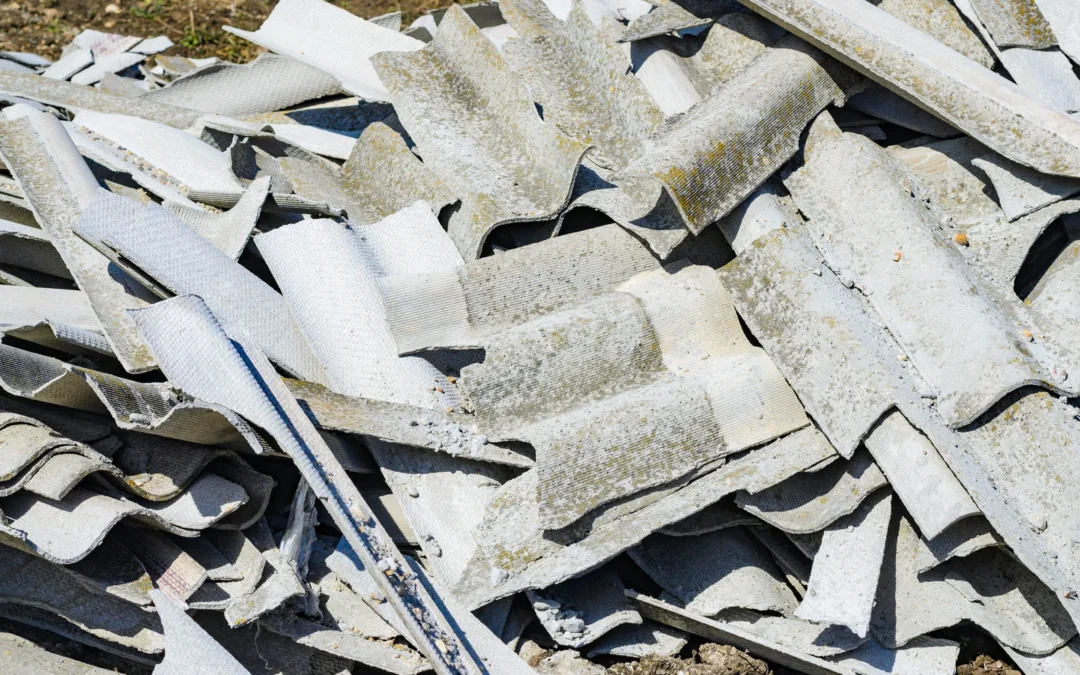
Commercial buildings in Maple Ridge continue to undergo renovations, tenant improvements, demolitions, and structural upgrades as businesses modernize their properties. However, many older commercial buildings still contain hidden asbestos materials that pose serious health, environmental, and legal risks when disturbed during construction work. For property owners, contractors, and facility managers, understanding these hidden risks is essential before beginning any renovation or demolition project.
Asbestos was widely used in commercial construction materials for decades because of its heat resistance, insulation capabilities, and durability. While the material itself may remain harmless when undisturbed, damaged or disturbed asbestos can release microscopic fibers into the air. These fibers can remain airborne for long periods and create severe long-term health hazards for workers, tenants, and nearby occupants.
Today, hidden asbestos remains one of the most overlooked dangers in aging commercial properties throughout Maple Ridge.
Why Asbestos Is Still Found in Commercial Buildings
Many commercial structures built before the 1990s contain asbestos-containing materials in multiple areas of the building. Even properties that appear modern may still have older structural components hidden behind walls, ceilings, flooring, or mechanical systems.
Common asbestos-containing materials in commercial properties include:
- Drywall joint compounds
- Vinyl floor tiles
- Pipe insulation
- Ceiling textures
- Roofing materials
- Cement panels
- HVAC duct insulation
- Fireproofing materials
- Boiler insulation
- Acoustic ceiling tiles
Because asbestos fibers are invisible to the naked eye, building owners often remain unaware of the risk until renovation or demolition work begins.
The Hidden Risks During Renovation Projects
Commercial renovations are one of the leading causes of accidental asbestos exposure. Drilling, sanding, cutting, demolition, and wall removal can disturb asbestos-containing materials and release fibers into the surrounding environment.
The risk becomes even greater in:
- Older office buildings
- Warehouses
- Industrial facilities
- Schools
- Shopping centers
- Restaurants
- Hotels
- Medical facilities
In many cases, asbestos materials remain hidden beneath newer construction layers, making detection difficult without proper inspections and testing.
When asbestos fibers become airborne, they can spread through ventilation systems and contaminate multiple areas within the property. This can result in expensive remediation projects, work stoppages, regulatory penalties, and potential health claims.
Health Hazards Linked to Asbestos Exposure
One of the most dangerous aspects of asbestos exposure is that symptoms may not appear for decades. Long-term exposure to airborne asbestos fibers has been linked to severe respiratory illnesses, including:
- Asbestosis
- Lung cancer
- Mesothelioma
- Chronic respiratory complications
Workers involved in construction, demolition, maintenance, and renovation activities face the highest exposure risks. However, building occupants and nearby businesses may also be affected if asbestos contamination spreads beyond the work zone.
This is why strict handling, containment, and disposal procedures are necessary for commercial asbestos waste management.
Why Proper Inspection Is Critical Before Renovations
Before beginning renovations or demolition in older commercial properties, professional asbestos inspections should always be conducted. Advanced asbestos surveys help identify hidden materials before they are disturbed.
Professional inspections typically include:
- Material sampling
- Laboratory analysis
- Site risk assessments
- Hazard identification
- Containment planning
- Regulatory compliance evaluations
Skipping asbestos testing to save time or money can create significant financial and legal consequences later. If asbestos contamination occurs during renovations, projects may be halted immediately until proper remediation is completed.
Regulatory Compliance and Commercial Liability
Commercial property owners in British Columbia are responsible for ensuring asbestos materials are handled according to provincial regulations. Improper handling or illegal dumping of asbestos waste can result in:
- Heavy fines
- Regulatory investigations
- Environmental penalties
- Project shutdowns
- Liability claims
- Occupational safety violations
Businesses must also maintain safe working environments for employees, contractors, and visitors. Failure to manage asbestos risks properly can severely damage a company’s reputation and create long-term legal exposure.
Using professional Asbestos Waste Disposal Maple Ridge helps businesses remain compliant while reducing health and environmental risks.
Challenges of Commercial Asbestos Waste Disposal
Asbestos waste disposal is far more complex than standard construction debris removal. Asbestos-containing materials require specialized packaging, transportation, containment, and disposal methods to prevent contamination.
Commercial asbestos disposal challenges include:
- Airborne fiber containment
- Sealed waste packaging
- Specialized transportation requirements
- Approved disposal facility regulations
- Worker safety protocols
- Environmental monitoring
- Site decontamination procedures
Improper disposal methods increase contamination risks and may violate hazardous waste regulations.
Professional asbestos disposal companies use industry-approved procedures and protective equipment to safely remove and transport hazardous materials.
The Environmental Impact of Illegal Asbestos Dumping
Illegal dumping of asbestos materials remains a major environmental concern in many communities. When asbestos waste is disposed of improperly, fibers can contaminate soil, water systems, and surrounding ecosystems.
Environmental contamination may also affect nearby businesses and residential areas, creating costly cleanup operations and public safety concerns.
Responsible Commercial Waste Disposal Maple Ridge helps reduce these environmental risks by ensuring hazardous materials are handled at approved facilities using regulated disposal practices.
The Importance of Containment and Air Quality Control
Advanced asbestos management involves more than simply removing contaminated materials. Proper containment systems are critical for preventing airborne exposure during removal and disposal operations.
Professional asbestos containment procedures may include:
- Negative air pressure systems
- Sealed containment barriers
- HEPA air filtration
- Controlled demolition techniques
- Decontamination chambers
- Continuous air quality monitoring
These advanced safety measures help prevent asbestos fibers from spreading beyond designated work zones.
Long-Term Risk Management for Commercial Properties
Commercial property owners should consider asbestos management part of their long-term building maintenance strategy. Even if asbestos-containing materials remain undisturbed, regular inspections and documentation help reduce future renovation risks.
Proactive asbestos management plans may include:
- Building material inventories
- Annual inspections
- Risk assessments
- Employee awareness programs
- Contractor safety procedures
- Hazard communication protocols
Taking preventive measures today can help businesses avoid major health and financial liabilities in the future.
Professional Asbestos Waste Disposal Services in Maple Ridge
Managing asbestos waste in commercial properties requires specialized knowledge, strict safety procedures, and proper disposal methods. Whether you are renovating, demolishing, or upgrading an older building, professional asbestos waste disposal services help protect workers, property owners, and the surrounding environment.
Canadian Empire Recycling & Disposal provides reliable commercial asbestos waste management and disposal services for businesses throughout Maple Ridge. Their experienced team helps ensure hazardous materials are handled safely, transported properly, and disposed of according to environmental regulations. Contact Canadian Empire Recycling & Disposal for professional support with commercial asbestos waste disposal and hazardous material cleanup projects.