
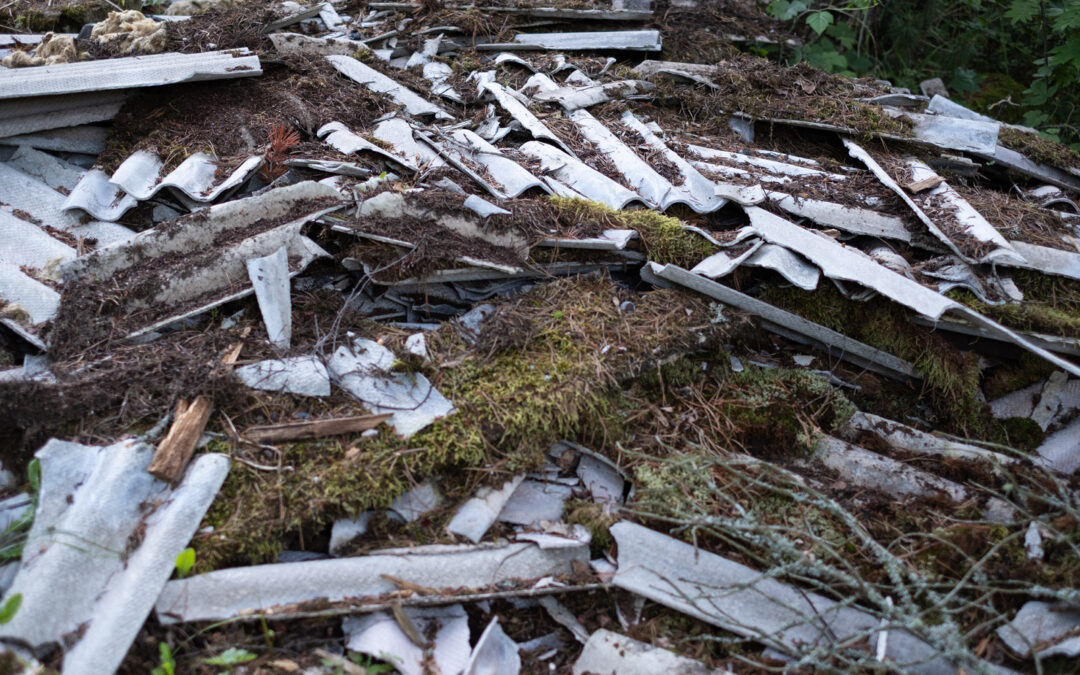
Removing asbestos from a property is only one part of dealing with an asbestos-related project. Once contaminated materials have been taken out, there is another important question: what should you do with the asbestos waste?
Asbestos-containing materials cannot simply be treated like ordinary renovation debris. The way they are contained, handled, transported, and disposed of matters because disturbing asbestos can release hazardous fibres into the surrounding environment.
For homeowners, contractors, landlords, and property managers in Maple Ridge, planning the waste-disposal stage before work begins can help prevent unnecessary exposure risks and disposal problems.
Why Asbestos Waste Requires Special Handling
Asbestos can be found in older building materials such as insulation, cement products, flooring, roofing materials, pipe insulation, and certain wall or ceiling components. When these materials are removed, broken, or damaged, they can create waste that requires careful management.
The concern does not disappear simply because the material has been removed from the building.
Loose pieces, dust-contaminated materials, protective equipment, sheeting, and other materials associated with asbestos work may all need to be managed as part of the cleanup. Mixing this material with ordinary household or construction waste can create additional handling and disposal concerns.
That is why Asbestos Waste Disposal Maple Ridge should be considered as part of the project plan rather than as an afterthought.
What Happens After Asbestos Is Removed?
Once asbestos-containing materials have been removed by appropriately trained professionals, the waste should remain controlled until it can be transported and disposed of through an appropriate waste-management process.
The general process involves several important stages:
1. Keep the Waste Contained
Asbestos waste should be packaged and contained appropriately to help prevent fibres or contaminated dust from escaping.
The exact containment method depends on the material and the type of work involved. The important point is that asbestos waste should remain isolated from people, vehicles, pets, and other waste streams.
2. Keep It Separate From Regular Construction Waste
A renovation project may generate wood, drywall, metal, insulation, packaging, and other debris. Asbestos-containing materials should not simply be mixed into that pile.
Keeping asbestos waste separate helps identify the material clearly and supports safer handling throughout the disposal process.
3. Arrange Appropriate Transportation
Moving asbestos waste requires more planning than taking ordinary renovation debris to a disposal facility.
Before transporting anything, confirm that the waste has been prepared correctly and that the intended disposal route accepts the material. Improper transportation can create unnecessary exposure risks and may result in the waste being rejected.
4. Use an Appropriate Disposal Facility
Not every landfill or waste facility accepts asbestos-containing materials.
This is one of the reasons property owners should arrange disposal before starting removal work. Knowing where the material is going can help prevent a situation where asbestos waste is sitting on-site because the intended facility cannot accept it.
Can Asbestos Waste Go Into a Regular Dumpster?
Generally, asbestos-containing waste should not be treated like ordinary renovation debris.
A standard construction dumpster is designed for common materials such as wood, drywall, packaging, and other permitted waste. Asbestos waste requires a different level of attention because of the potential for fibre release.
If asbestos has been identified during a renovation or demolition project, stop and determine the appropriate handling and disposal requirements rather than placing the material into a general-purpose waste container.
This is particularly important when several contractors are working on the same property and different types of waste are being generated at the same time.
What About Small Amounts of Asbestos Waste?
The quantity of material does not automatically make asbestos waste ordinary waste.
A small amount of asbestos-containing material can still require proper containment and disposal. For example, a renovation may uncover an older material that was not included in the original project plan. Even if only a limited amount needs to be removed, it should not automatically be added to the regular debris pile.
The appropriate approach depends on the material, its condition, the work being performed, and applicable disposal requirements.
When Should You Plan Asbestos Waste Disposal?
Ideally, disposal should be considered before asbestos removal begins.
Waiting until the end of a project can create avoidable complications. You may need to determine:
- What materials will become asbestos waste
- How the waste will be contained
- Where it can be taken
- What transportation requirements apply
- Whether the receiving facility accepts the specific waste
- What documentation or procedures may be required
Having these details organized in advance makes the final stage of the project much easier to manage.
Maple Ridge Properties May Encounter Asbestos During Renovation
Older homes and buildings can contain materials installed many years before asbestos hazards were widely understood by property owners.
A renovation that starts with something as simple as replacing flooring, opening walls, removing insulation, repairing roofing, or modifying an older building can uncover unexpected materials.
If asbestos is suspected, continuing demolition without addressing the material can increase the potential for disturbance.
Instead, the project should be reassessed and the asbestos-related materials should be handled according to the appropriate safety and disposal requirements.
Why Proper Disposal Is Part of a Complete Cleanup
A property may look clean once the visible asbestos-containing material has been removed, but the project is not necessarily complete until the resulting waste has also been managed properly.
Leaving bags or containers of asbestos waste on-site for an extended period can create unnecessary risks. Likewise, placing asbestos-containing materials into an unsuitable waste stream can cause problems later for workers who handle the garbage or for facilities receiving the waste.
Proper disposal closes the loop between removal and cleanup.
For property owners in Maple Ridge, this means thinking beyond the question of “How do we remove the asbestos?” and asking “How will the resulting waste be managed from the property to its final disposal?”
Planning Makes Asbestos Projects Easier to Manage
Asbestos projects involve more than identifying and removing a material. Responsible project planning includes waste preparation, containment, transportation, and final disposal.
Whether asbestos is discovered during a residential renovation, commercial improvement, demolition project, or property maintenance job, arranging the waste-disposal stage early can help keep the work organized.
If you are planning an asbestos-related project in Maple Ridge, Canadian Empire Recycling & Disposal can help you manage the waste-disposal stage with appropriate handling and disposal options. Call 604-889-2377 to discuss your project or Book Online to get started.