
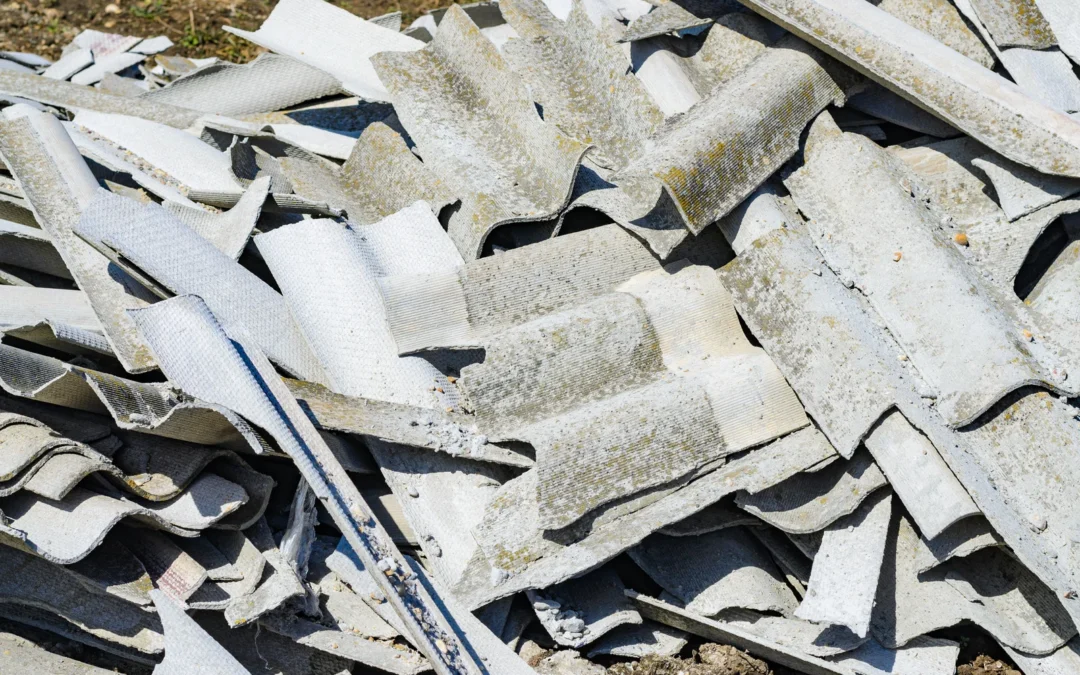
Quick answer: If asbestos is discovered during a Maple Ridge renovation, the waste plan should be addressed before removal and cleanup move forward. Asbestos-containing materials need appropriate containment, handling, transportation, and disposal rather than being placed with ordinary construction debris. Planning this part early can help contractors avoid unnecessary delays and keep different waste streams properly separated.
A renovation can change direction quickly when an older building reveals asbestos-containing materials.
What looked like a straightforward demolition or remodeling job may suddenly involve additional containment, specialized handling, and a completely different approach to waste management. The mistake is waiting until the material has already been removed to figure out where the waste will go.
The waste plan should start as soon as asbestos becomes part of the project.
Finding Asbestos Changes More Than the Removal Process
When asbestos is identified, the project does not simply have an additional material to remove. It also creates a separate waste stream that needs to be managed appropriately.
That can affect:
- Site organization
- Removal scheduling
- Waste containment
- Collection arrangements
- Transportation planning
- Final disposal
- Coordination with other contractors
This is particularly important when several trades are working on the same property. General renovation debris may continue to accumulate while asbestos-related work is being completed.
Keeping these materials properly separated makes the cleanup process easier to manage.
Why the Waste Plan Should Come Before Removal
It can be tempting to focus entirely on getting asbestos-containing material out of the building.
But removing it is only one part of the process.
Before work begins, contractors should understand what will happen to the material once it leaves its original location. Without that planning, removed waste can create a storage and scheduling problem on an already busy job site.
A good plan considers the expected amount of waste, appropriate containment, collection timing, transportation, and the disposal route.
For a Maple Ridge project, arranging Asbestos Waste Disposal in advance can help ensure that the waste-handling stage is not left until the last minute.
Not Everything From a Renovation Belongs in the Same Bin
Commercial renovation sites can produce a mixture of materials.
A single project might generate:
- Wood
- Metal
- Drywall
- Packaging
- General demolition debris
- Recyclable materials
- Asbestos-containing materials
These materials should not automatically be treated as one waste stream.
Asbestos-containing waste requires specific precautions because disturbing asbestos can release hazardous fibres. Mixing it into a general construction load can create additional handling and disposal concerns.
The practical solution is to identify the different waste streams early and plan for each one separately.
The Size of the Project Does Not Tell You the Size of the Waste Problem
A contractor may assume that a small renovation will produce only a small amount of asbestos waste.
That is not always the case.
Once materials are identified and removed, their volume can be greater than expected. Flooring, insulation, wall materials, roofing components, or other building materials can contribute to the final waste load.
This is why estimating the likely waste volume before removal is useful.
It allows the project team to think about containment and collection requirements before the site becomes crowded with removed material.
Where Does Commercial Waste Fit Into the Plan?
Asbestos may be the most sensitive waste stream on the project, but it is rarely the only one.
Commercial renovations often generate significant quantities of ordinary construction and demolition debris alongside specialized materials.
A broader Commercial Waste Disposal Maple Ridge strategy can help organize those materials so that recyclable, general, and specialized waste are not unnecessarily mixed together.
This approach can also make the site easier to manage because workers know which materials belong in which waste stream.
Don’t Forget the Job-Site Layout
Waste planning is also a space-management issue.
A commercial renovation may already have limited room for:
- Construction equipment
- Building materials
- Worker access
- Temporary storage
- General waste containers
- Specialized waste containers
Adding asbestos waste without considering the site layout can make an already busy property harder to operate safely and efficiently.
The project manager should know where waste will be contained, how it will be accessed, and when it will be collected before removal work begins.
Timing Can Affect the Entire Renovation Schedule
Imagine asbestos-containing material is removed on Monday, but the waste collection arrangement is not ready until later in the week.
The material now has to remain appropriately managed while other work continues around it.
That can create unnecessary coordination problems.
Planning collection around the removal schedule gives the project a clearer sequence:
Identify → Plan → Remove → Contain → Collect → Dispose
The exact requirements depend on the material and project circumstances, but the principle is simple: the waste route should be considered before the waste is generated.
What Maple Ridge Contractors Should Confirm Early
Once asbestos becomes part of a renovation, contractors should review the waste plan rather than continuing with the original debris strategy.
Important planning points include:
1. Identify the Waste
Determine which materials are expected to become asbestos-containing waste during the work.
2. Estimate the Volume
A realistic estimate helps with container and collection planning.
3. Separate Waste Streams
Keep asbestos-related material separate from ordinary renovation debris and other recyclable materials.
4. Plan Collection
The timing of waste removal should fit the renovation schedule.
5. Confirm the Disposal Route
Make sure the waste has an appropriate destination before removal begins.
6. Coordinate With the Project Team
Everyone involved should understand which materials require separate handling and where they should go.
This prevents waste management from becoming an emergency decision halfway through the project.
Why Last-Minute Waste Planning Creates Problems
Waiting until the end of a renovation to organize asbestos disposal can lead to several avoidable complications.
The project may have:
- No suitable space for the removed material
- An unsuitable waste container already on site
- A collection schedule that does not match the work
- General debris mixed with specialized waste
- Additional coordination between trades
- Delays to the next phase of construction
None of these issues necessarily comes from the asbestos removal itself. They can come from failing to plan what happens afterward.
That is why waste planning belongs at the beginning of the process.
A Better Approach for Older Maple Ridge Properties
Older commercial and residential properties can present unexpected renovation challenges.
If a project involves demolition, remodeling, flooring replacement, insulation work, or other activities that may disturb existing building materials, waste planning should be considered alongside the overall renovation strategy.
The earlier the project team understands what materials may be involved, the easier it becomes to prepare the right waste-handling approach.
Instead of asking where the asbestos waste will go after the job is finished, ask that question before the removal starts.
The Waste Plan Should Be Part of the Project Plan
Discovering asbestos does not have to derail a renovation.
The key is recognizing that the project now has an additional waste-management requirement. Once the material is identified, the team can plan containment, collection, transportation, and disposal alongside the rest of the renovation schedule.
For Maple Ridge contractors and property managers, proper Asbestos Waste Disposal Maple Ridge planning can help keep asbestos-containing materials separate from ordinary construction waste while supporting a more organized cleanup.
A broader commercial waste strategy can then address the other materials being generated throughout the project.
Keep the Cleanup Moving With a Plan
Asbestos removal may be an unexpected development during a Maple Ridge renovation, but the resulting waste should not become an unexpected problem. Planning the waste stream before removal begins gives contractors a clearer path from the work area to final disposal.
If your project needs reliable waste-handling support in Maple Ridge, contact Canadian Empire Recycling & Disposal for help you plan the appropriate disposal and collection arrangements for your commercial renovation waste.