
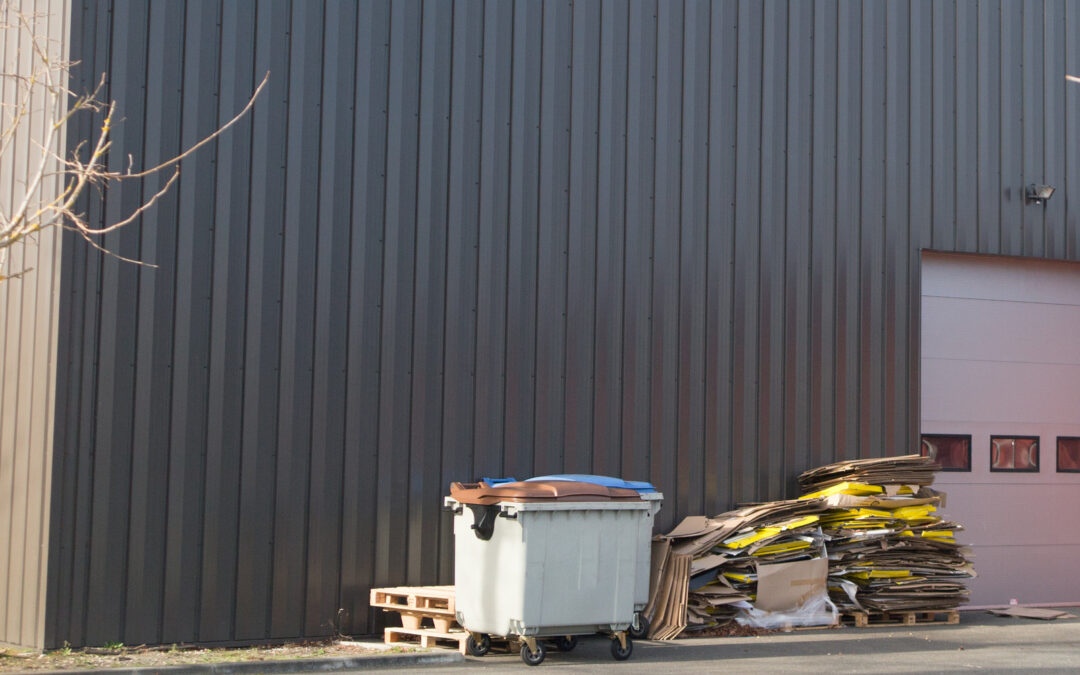
Managing industrial and bulk commercial waste is no small task. In growing communities like Maple Ridge, businesses and industrial facilities generate large volumes of waste daily from packaging materials and office furniture to scrap metals, construction debris, and hazardous substances. Without a proper disposal plan, this waste can quickly pile up, harming the environment, creating safety hazards, and even violating local regulations.
In this blog, we’ll explore the importance of safe commercial waste handling, outline best practices, and explain how businesses can partner with professional services to manage industrial and bulk waste responsibly.
Why Industrial and Bulk Waste Management Matters
Industrial and commercial waste often comes in larger quantities than household waste, requiring specialized handling. Here’s why effective management is critical:
- Environmental Protection: Improper disposal of waste materials, especially chemicals or non-recyclables, can contaminate soil and water sources.
- Health and Safety: Bulk waste items can pose tripping hazards, while industrial debris may include sharp objects or hazardous materials.
- Regulatory Compliance: Municipalities, including Maple Ridge, enforce strict rules about how commercial waste must be handled. Non-compliance can lead to fines.
- Business Reputation: Companies that manage waste responsibly demonstrate corporate responsibility, which enhances their reputation with customers and the community.
Types of Industrial and Bulk Waste
Before disposal, it’s important to identify the different categories of waste commonly generated in commercial and industrial settings:
- Construction and Demolition Debris
Materials like concrete, drywall, metal scraps, wood, and insulation make up a large portion of commercial waste, especially for contractors and builders. - Packaging Waste
Cardboard boxes, plastics, and pallets accumulate quickly in warehouses, retail outlets, and distribution centers. - Office Waste
Outdated furniture, electronics, and filing cabinets can pile up during renovations or office cleanouts. - Hazardous Waste
Chemicals, oils, solvents, and batteries fall into this category. They require specialized handling and cannot simply be thrown into the landfill. - Organic Waste
Restaurants, cafeterias, and food-related industries generate bulk organic waste that must be managed carefully to avoid attracting pests and producing odors.
Understanding these categories helps businesses plan for proper disposal and recycling.
Challenges in Managing Bulk Waste
Handling industrial or commercial waste is more complex than placing bags at the curb. Businesses often face challenges such as:
- Sheer Volume: Large facilities generate more waste than municipal collection systems can handle.
- Storage Limitations: Businesses may not have space to store bulk waste until it can be removed.
- Transport Issues: Moving heavy or hazardous materials requires proper vehicles and trained personnel.
- Sorting Requirements: Recycling mandates mean that businesses must separate materials, which can be time-consuming without professional help.
Best Practices for Industrial and Commercial Waste Disposal
1. Develop a Waste Management Plan
Every business should have a clear plan outlining how different types of waste are collected, stored, and disposed of. This plan should also include recycling strategies.
2. Prioritize Recycling
Recyclable materials such as metals, plastics, and cardboard should always be separated. Not only is this eco-friendly, but it can also reduce disposal costs.
3. Use Proper Containers
Bulk bins, roll-off containers, and specialized hazardous waste drums ensure waste is stored safely and collected efficiently.
4. Train Employees
Staff should be trained on identifying hazardous materials and properly separating recyclables to reduce contamination.
5. Schedule Regular Pickups
Rather than waiting until waste piles up, arrange for regular collection with a professional commercial waste disposal service.
Role of Professional Commercial Waste Disposal Services
For businesses, working with professional waste management providers is the most efficient solution. These experts bring:
- Specialized Equipment: Trucks and containers designed to handle heavy or hazardous waste.
- Expertise: Trained staff who know how to manage waste safely and in compliance with local regulations.
- Recycling Options: Many services ensure materials are diverted from the landfill whenever possible.
- Time and Cost Savings: Outsourcing waste disposal allows businesses to focus on operations rather than logistics.
Some companies also provide junk removal Maple Ridge services, helping offices, warehouses, and industrial sites clear out bulky items and debris quickly and responsibly.
Companies like Canadian Empire Recycling provide comprehensive solutions for commercial and industrial waste. Their team handles everything from bulk pickups to recycling and safe hazardous material disposal.
Eco-Friendly Disposal Options
Sustainability is becoming a top priority for businesses. Here are some eco-conscious strategies to consider:
- Donation Programs: Unwanted office furniture or equipment can often be donated to charities or non-profits.
- Recycling Partnerships: Work with recycling facilities that accept bulk plastics, metals, and paper products.
- Hazardous Waste Treatment: Chemicals and oils should be processed through certified facilities to prevent environmental contamination.
- Composting: Food-related businesses can reduce landfill waste by diverting organic waste to composting facilities.
Commercial Waste Disposal: Staying Compliant
Local governments enforce waste disposal rules to protect both people and the environment. Businesses must ensure they follow Maple Ridge regulations, especially when dealing with hazardous substances. Non-compliance can result in:
- Heavy fines
- Legal liability
- Damage to brand reputation
By partnering with a professional waste management service, businesses can rest assured that their waste is being handled responsibly and legally.
Managing industrial and bulk commercial waste Maple Ridge requires careful planning, consistent effort, and the right partnerships. From construction debris to hazardous waste, the volume and variety of materials generated by businesses demand professional solutions.
By following best practices such as waste segregation, employee training, and recycling initiatives, businesses can reduce their environmental impact while staying compliant with local regulations. When the task is too large to handle in-house, calling on experts is the best option.
For reliable and eco-friendly commercial waste disposal, contact Canadian Empire Recycling. With professional expertise and a commitment to sustainable practices, they make waste management simple, safe, and efficient for businesses of all sizes.