Chemical waste is a serious concern for both households and businesses. From cleaning agents and paints to industrial solvents and laboratory materials, improper handling and disposal of chemicals can pose major risks to health, safety, and the environment. In 2026, with stricter regulations and growing environmental awareness, it’s more important than ever to follow safe and responsible disposal practices.
What is Chemical Waste?
Chemical waste includes any leftover, unused, or discarded chemical substances that can be harmful. These may be:
- Flammable (e.g., gasoline, solvents)
- Corrosive (e.g., acids, cleaning agents)
- Toxic (e.g., pesticides, heavy metals)
- Reactive (e.g., certain industrial chemicals)
Even everyday household items like bleach, nail polish remover, and paint thinner fall into this category. That’s why proper Chemical Waste Disposal Langley is essential for both small-scale and large-scale waste management.
Why Safe Disposal is Critical
Improper disposal of chemical waste can lead to:
- Contamination of soil and water
- Harm to wildlife and ecosystems
- Health hazards such as burns, poisoning, or respiratory issues
- Fire or explosion risks
- Legal penalties for non-compliance
Understanding the risks helps highlight why safe disposal practices should never be ignored.
1. Always Read Labels and Instructions
Before handling any chemical product, read the label carefully. Manufacturers provide important information about storage, usage, and disposal. Labels often include hazard symbols and specific instructions that must be followed to prevent accidents.
2. Never Mix Chemicals
Mixing different chemicals can create dangerous reactions, including toxic fumes, fires, or explosions. For example, combining bleach with ammonia produces harmful gases that can be life-threatening.
Always keep chemicals separate and dispose of them individually according to guidelines.
3. Store Chemicals Properly
Proper storage is key to preventing leaks, spills, and accidental exposure. Follow these tips:
- Keep chemicals in their original containers
- Store in a cool, dry, and well-ventilated area
- Keep away from direct sunlight and heat sources
- Ensure containers are tightly sealed
Safe storage reduces risks before disposal even becomes necessary.
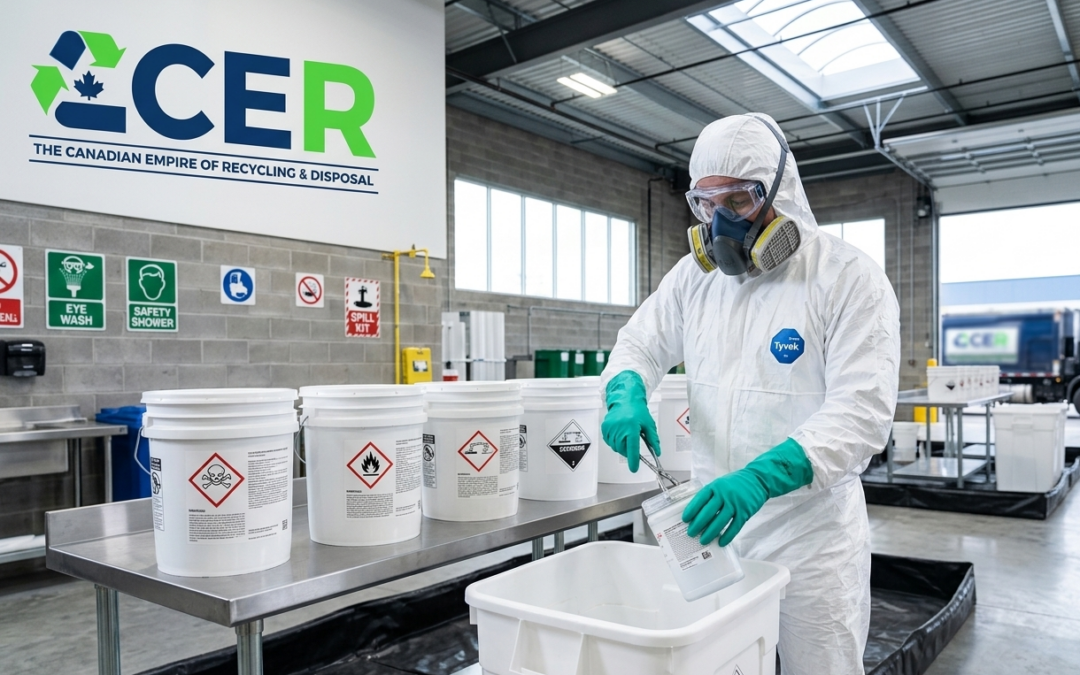
4. Use Protective Gear
When handling chemical waste, always wear appropriate protective equipment such as:
- Gloves
- Safety goggles
- Masks or respirators
This minimizes direct contact and protects you from harmful fumes or splashes.
5. Do Not Pour Chemicals Down the Drain
One of the most common mistakes is disposing of chemicals through sinks or toilets. This can contaminate water systems and harm aquatic life.
Instead, look for proper disposal options like designated collection centers or professional services.
6. Follow Local Disposal Regulations
Different regions have specific rules for chemical waste disposal. It’s important to stay informed and comply with local regulations to avoid fines and ensure safety.
For example, services specializing in Hazardous Waste Disposal Langley follow strict guidelines to handle and dispose of dangerous materials responsibly.
7. Separate Hazardous and Non-Hazardous Waste
Not all waste is created equal. Keep hazardous chemical waste separate from regular trash to prevent contamination and ensure proper handling.
Label containers clearly so there’s no confusion during disposal.
8. Use Professional Disposal Services
Handling chemical waste on your own can be risky, especially for large quantities or highly toxic materials. Professional disposal services have the expertise, equipment, and certifications needed to manage chemical waste safely.
They ensure compliance with environmental laws and use eco-friendly methods to minimize harm.
9. Recycle When Possible
Some chemical products, such as batteries, electronics, and certain solvents, can be recycled. Recycling helps conserve resources and reduces the amount of waste sent to landfills.
Always check if your materials can be safely recycled before disposal.
10. Avoid Stockpiling Chemicals
Keeping unused or expired chemicals for long periods increases the risk of leaks, spills, and accidents. Regularly check your storage areas and dispose of unnecessary chemicals promptly.
Common Mistakes to Avoid
Even with good intentions, people often make these mistakes:
- Throwing chemicals in regular garbage
- Ignoring safety labels
- Mixing incompatible substances
- Delaying disposal for too long
Avoiding these errors can significantly improve safety and efficiency.
Benefits of Safe Chemical Waste Disposal
By following proper safety tips, you can:
- Protect your health and your family
- Prevent environmental damage
- Stay compliant with regulations
- Reduce the risk of accidents
- Promote sustainability
Safe disposal isn’t just a responsibility—it’s a smart and necessary practice.
Chemical waste disposal should never be taken lightly. From reading labels and wearing protective gear to using professional services, every step plays a role in ensuring safety and environmental protection.
If you’re looking for a reliable and eco-friendly solution, Canadian Empire Recycling & Disposal offers expert chemical waste handling services. Their trained team ensures safe collection, proper disposal, and full compliance with regulations. Contact Canadian Empire Recycling & Disposal to manage your chemical waste responsibly and stress-free.