
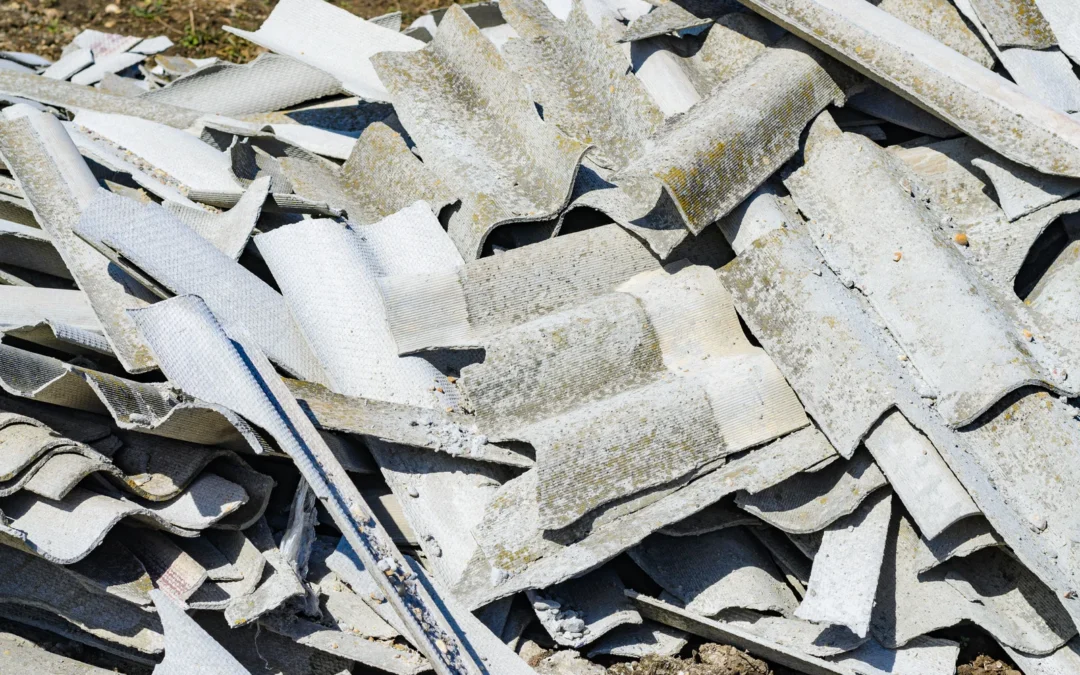
Quick answer: Asbestos waste should be part of a commercial renovation, demolition, or removal plan before work begins—not something arranged after the material has already been removed. In Langley, businesses and contractors need to consider how asbestos-containing materials will be contained, packaged, moved, collected, and disposed of separately from ordinary construction debris.
A commercial project can look straightforward on paper: remove old materials, clear the space, load the debris, and move on to the next phase. But when asbestos-containing materials are involved, the waste created during the work requires a different level of planning.
That is where many project timelines become complicated.
Why Asbestos Waste Planning Often Happens Too Late
During a commercial renovation or demolition, most attention naturally goes toward the work itself. Contractors may focus on site preparation, material removal, scheduling, equipment, and keeping the project moving.
Waste planning can become an afterthought.
With asbestos, that approach creates problems. Once asbestos-containing materials have been identified and removed, they cannot simply be treated like ordinary renovation debris. The project needs a clear plan for the resulting waste before crews begin moving material off-site.
Planning ahead helps answer practical questions such as:
- What type of asbestos waste will be generated?
- How much material needs to be contained?
- Where will the waste be temporarily managed?
- What type of waste container or collection arrangement is appropriate?
- How will the material be transported?
- Where will the waste ultimately be taken for disposal?
These decisions can affect the schedule, site organization, and overall cleanup process.
Commercial Renovations Can Generate More Asbestos Waste Than Expected
Asbestos may be present in older commercial buildings in materials that are not immediately obvious.
Depending on the building and its construction history, asbestos-containing materials may be encountered during work involving insulation, flooring, ceiling materials, drywall compounds, roofing materials, pipe insulation, or other building components.
A small removal task can therefore become a larger waste-management issue once materials are disturbed.
For example, a contractor may begin with a limited interior renovation and discover that several building materials require asbestos-related handling. The amount of waste may then be considerably different from the original estimate.
This is why Asbestos Waste should be considered during project planning rather than after the removal work is finished.
Asbestos Waste Is Not the Same as Regular Construction Debris
A commercial job site can produce several different waste streams at the same time.
There may be:
- General construction debris
- Wood and drywall
- Scrap metal
- Packaging materials
- Recyclable materials
- Contaminated materials
- Asbestos-containing waste
The mistake is assuming everything can follow the same disposal route.
Asbestos waste requires controlled handling and disposal because the material can pose serious health risks when fibres become airborne. Mixing asbestos-containing waste with ordinary construction debris can also create additional handling and disposal complications.
Separating waste streams from the beginning gives contractors a much clearer path through the cleanup stage.
The Container Is Part of the Waste Plan
One commonly overlooked issue is where asbestos waste will actually go once it has been removed.
A commercial project may already have dumpsters or bins on site for general debris, but those containers are not automatically suitable for asbestos-containing material.
The waste plan should account for appropriate containment, loading, collection, and transportation requirements before removal begins.
This is particularly important when a Langley commercial project has limited space. A busy job site may have equipment, workers, materials, temporary storage areas, and several waste containers competing for the same space.
Planning the asbestos waste container and collection process early can help prevent the removed material from becoming a last-minute logistical problem.
What About the Rest of the Commercial Waste?
Asbestos may be only one part of a larger cleanup.
A commercial renovation can generate multiple types of waste that need to be handled through different channels. Recyclable materials may be separated from general debris, while certain materials may require specialized disposal.
That makes a coordinated commercial waste plan particularly useful for projects where several waste streams are being generated simultaneously.
The goal is not simply to remove everything from the property. It is to identify what the waste is, separate it appropriately, and make sure each material follows the right disposal or recycling route.
Timing Matters on Langley Commercial Job Sites
Waste removal is closely connected to the project schedule.
If asbestos-containing materials are removed before a suitable disposal arrangement has been organized, the waste can become a bottleneck. Crews may have limited room to work, subsequent trades may be delayed, and the project manager may need to rearrange the site.
A better approach is to coordinate waste arrangements before the removal stage.
For commercial projects in Langley, that means considering asbestos waste alongside demolition, renovation, and cleanup scheduling—not as a separate task at the very end.
A Better Way to Plan the Cleanup
A practical commercial asbestos waste plan can start with a few straightforward steps:
- Identify the materials involved
Know what asbestos-containing materials are expected before removal begins. - Estimate the waste volume
Consider how much material the project could generate rather than relying on a standard construction bin. - Plan containment and collection
Determine how the waste will be contained and when it needs to be removed from the site. - Keep waste streams separated
Do not assume asbestos-containing materials can be combined with ordinary construction debris. - Coordinate disposal with the project schedule
Waste collection should be ready when the removal work is ready. - Work with an appropriate waste service provider
The disposal process should match the type of material and applicable requirements.
This approach can make the final cleanup stage far more predictable.
Why Early Planning Makes Commercial Projects Easier
The biggest advantage of planning asbestos waste early is not simply compliance. It is project control.
When the waste route is already established, contractors know where the material is going, site managers can allocate space appropriately, and crews are less likely to stop work because there is nowhere suitable to put the removed material.
For property managers, developers, and contractors, this can mean fewer last-minute decisions during an already demanding renovation or demolition project.
The asbestos may be removed from the building, but the project is not finished until the resulting waste has been properly managed.
Plan Asbestos Waste Before It Becomes a Job-Site Problem
Commercial asbestos removal creates a waste-management responsibility that should be considered before work starts. From containment and bin planning to collection and final disposal, every stage matters.
For businesses and contractors planning renovation, demolition, or cleanup work in Langley, Asbestos Waste Disposal Langley should be built into the project from the beginning. A broader Commercial Waste Disposal plan can also help keep asbestos waste, recyclable materials, and other commercial debris moving through the appropriate disposal channels.
If your Langley commercial project is generating asbestos-containing waste, contact Canadian Empire Recycling & Disposal for help you plan the waste-handling and disposal process so the cleanup does not become an unexpected obstacle.