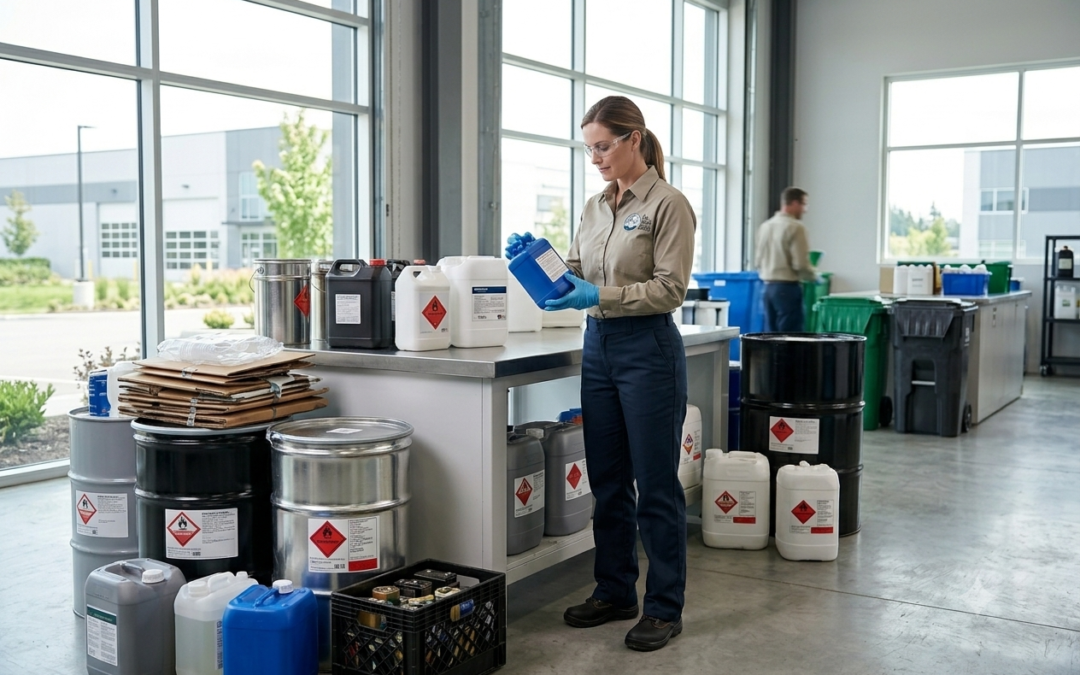
Not all commercial waste is created equal. A business cleanout, renovation, equipment replacement, or facility upgrade can produce ordinary materials such as cardboard, packaging, furniture, and scrap metal. But the same project can also uncover materials that require a completely different disposal approach.
This raises an important question for Langley businesses: when does commercial waste become hazardous waste?
The answer depends on the material’s characteristics, how it is stored, and whether it presents specific risks to people or the environment. Understanding that distinction before disposal can help businesses avoid putting unsuitable materials into general waste streams.
For businesses planning Commercial Waste Disposal Langley, proper waste identification should happen before materials are loaded into a bin, truck, or general disposal stream.
What Makes Commercial Waste Hazardous?
Commercial waste may become hazardous when its physical or chemical properties create a potential risk during handling, transportation, processing, or disposal.
Depending on the business and industry, hazardous materials can include:
- Certain chemicals and solvents
- Paints and coatings
- Used oils and petroleum products
- Batteries
- Chemical cleaners
- Contaminated materials
- Some electronic components
- Fluorescent lamps and certain lighting products
- Laboratory or industrial materials
- Certain maintenance and automotive products
The important point is that hazardous waste disposal Langley is determined by the nature of the material rather than simply by where it came from.
A small container of a hazardous substance may require more careful management than a large quantity of ordinary cardboard.
Why Waste Classification Matters for Langley Businesses
Businesses often generate waste gradually. A maintenance department may accumulate containers over several months, while a renovation contractor may generate a large volume of waste within a few days.
When different materials accumulate together, it can become difficult to determine what can be recycled, what can be disposed of as general commercial waste, and what requires specialized handling.
This is why waste classification should happen before disposal.
A basic assessment can ask:
What is the material?
How was it used?
Is it contaminated?
Does it contain chemicals or other regulated substances?
How is it currently stored?
These questions can help determine whether the material belongs in a conventional waste stream or requires a specialized solution.
Common Situations That Create Hazardous Commercial Waste
Hazardous waste does not only come from factories or industrial facilities.
Many ordinary commercial activities can generate materials that require additional attention.
Business Renovations
Renovating an office, retail space, warehouse, restaurant, or workshop can uncover old paints, adhesives, cleaning chemicals, lighting components, or contaminated materials.
The waste generated during demolition should therefore be reviewed before everything is treated as ordinary construction debris.
Equipment Replacement
Replacing commercial equipment can create waste that contains oils, batteries, refrigerants, chemicals, or other components requiring specific management.
Simply removing the equipment from the building does not necessarily mean every component can enter the same disposal stream.
Facility Cleanouts
Business closures, relocations, and major cleanouts often reveal years of accumulated maintenance supplies and chemicals.
A storage room that has been collecting unused products for years can contain a mixture of ordinary and potentially hazardous materials.
Maintenance Operations
Businesses involved in vehicle maintenance, building maintenance, manufacturing, printing, cleaning, or other specialized operations may generate hazardous materials as part of normal activities.
Identifying these materials at the source makes disposal planning significantly easier.
Why Mixing Hazardous and General Waste Creates Problems
One of the biggest waste-management mistakes is assuming that everything from one project can go into the same container.
For example, a commercial renovation may generate:
- Cardboard
- Wood
- Metal
- Drywall
- Packaging
- Furniture
- Paint
- Adhesives
- Cleaning chemicals
- Batteries
These materials do not necessarily belong in the same disposal stream.
Once hazardous material is mixed with ordinary waste, the resulting load can become more complicated to handle. It can also make recycling or recovery of otherwise usable materials more difficult.
Separating waste before disposal is therefore an important part of responsible commercial waste management.
Does Every Hazardous Material Need the Same Disposal Method?
No.
Different hazardous materials can have very different handling and disposal requirements.
For example, a container of used oil is not managed in the same way as a battery, chemical product, contaminated absorbent, or electronic component.
The material’s composition, condition, quantity, packaging, and applicable disposal requirements all matter.
Businesses should therefore avoid assuming that because two materials are both classified as hazardous, they can automatically be combined.
A professional waste provider can help determine the appropriate disposal route for the specific material.
When Should a Business Use a Hazardous Waste Drop-Off Location?
For businesses looking for a Hazardous Waste Drop Off Depot, the first step is to confirm that the specific facility accepts the material in question.
Not every drop-off location accepts every type or quantity of commercial hazardous waste.
Before transporting material to a depot, businesses should verify:
- Whether commercial customers are accepted
- Which materials are accepted
- Quantity restrictions
- Packaging requirements
- Operating procedures
- Identification or documentation requirements
- Whether appointments are necessary
This can prevent a situation where a business transports hazardous material to a location that cannot accept it.
Why Businesses Should Not Assume Household Disposal Rules Apply
Residential and commercial waste can be subject to different requirements.
A product that may have a designated household disposal pathway does not automatically mean a business can use the same route for commercial quantities.
Commercial operations may generate larger volumes, different materials, or waste associated with specialized industrial processes.
Before using a drop-off location, businesses should confirm that its rules apply to their particular waste stream.
How a Commercial Waste Audit Can Help
A waste audit does not have to be complicated.
The goal is to understand what types of waste the business generates and identify materials that require separate management.
A basic commercial waste review can categorize materials into groups such as:
Recyclable → Reusable → General Waste → Specialized/Hazardous Waste
This simple classification can reveal opportunities to reduce disposal costs while preventing hazardous materials from entering ordinary waste streams.
For larger businesses, conducting periodic waste audits can also help identify recurring sources of hazardous waste.
What Should Businesses Do With Old Chemicals?
Old chemicals are a common issue during commercial cleanouts.
A container may have an unclear label, an expired product, damaged packaging, or an unknown history. Businesses should not assume that an old chemical is harmless simply because it has been sitting unused.
Instead, the material should be identified where possible and handled according to the appropriate requirements.
If the contents are unknown, businesses should seek professional guidance rather than opening, mixing, pouring, or disposing of the material with general waste.
What About Batteries and Electronic Waste?
Commercial operations can accumulate batteries, electronic equipment, cables, lighting components, and other technology-related waste.
Some of these materials may be recyclable through specialized programs, while others may require specific handling because of their components.
This is another reason why a business cleanout should not automatically be treated as ordinary garbage removal.
Separating electronics, batteries, and other specialized materials before disposal can help direct them toward more appropriate recycling or processing streams.
How Businesses Can Reduce Hazardous Waste Risks
Businesses can take several practical steps to improve their waste-management process.
Maintain Clear Storage
Keep chemicals and other potentially hazardous materials properly identified and stored according to applicable requirements.
Label Materials
Clear labels make it easier to identify waste when products eventually need to be removed.
Separate Waste Streams
Do not mix hazardous materials with general garbage, recyclables, or construction debris.
Review Inventory Regularly
Regular checks can identify expired, unused, or unnecessary products before they accumulate.
Plan Disposal Before Cleanouts
Large cleanouts should include a waste-management plan before materials are removed from storage areas.
Use Appropriate Disposal Channels
Confirm that the selected provider, depot, or disposal facility accepts the specific commercial material.
Why Waiting Until the End of a Cleanout Can Be a Mistake
Businesses sometimes discover hazardous waste only after everything has already been collected.
By that point, materials may have been placed into mixed containers, making separation more difficult.
A better strategy is to identify potentially hazardous materials at the beginning of the cleanout.
For example, a warehouse cleanout can start by separating chemicals, batteries, oils, electronics, and other specialized materials before general debris is collected.
This creates a cleaner waste stream and gives the business more time to arrange the appropriate disposal service.
How Proper Disposal Supports Commercial Operations
Responsible waste management can benefit a business beyond simply removing unwanted materials.
A structured system can help improve:
- Workplace organization
- Waste segregation
- Recycling rates
- Project planning
- Storage management
- Compliance awareness
- Disposal efficiency
It can also help businesses avoid last-minute decisions when a hazardous material is unexpectedly discovered.
For companies undergoing renovations, relocations, closures, or facility upgrades, planning waste management at the beginning of the project can make the overall process more predictable.
What Should Langley Businesses Do Before Arranging Waste Removal?
Before scheduling commercial waste removal, businesses should create a basic inventory of the materials they expect to discard.
Consider:
- What type of waste is being generated?
- Are chemicals or contaminated materials present?
- Are batteries or electronics included?
- Is any material unidentified?
- Can recyclable materials be separated?
- Does the selected disposal provider accept the specific waste?
- Are special handling or transportation requirements applicable?
Answering these questions early can help prevent unsuitable materials from being placed into a general waste container.
Commercial Waste Disposal in Langley Starts With Identification
The most important step in managing commercial waste is understanding what you actually have.
A box of cardboard, an old desk, a container of solvent, and a used battery may all be unwanted business materials, but they should not automatically be managed in the same way.
For Langley businesses, recognizing the difference between general commercial waste and hazardous materials can support better planning, safer handling, and more appropriate disposal.
If you are unsure whether a material requires specialized handling, it is better to ask before placing it into a general waste stream.
Plan Your Commercial Waste Disposal Properly
Hazardous waste can appear during everyday business operations, renovations, equipment upgrades, facility cleanouts, and relocations. The key is to identify potentially hazardous materials early and keep them separate from ordinary commercial waste.
Businesses should also verify the requirements of any Hazardous Waste Drop Off Depot Langley before transporting materials there, as acceptance rules can vary depending on the facility and waste type.
With the right planning, businesses can create a clearer waste stream and avoid treating hazardous materials as ordinary garbage.
Contact Canadian Empire Recycling & Disposal today to discuss your commercial waste requirements and find the right disposal solution for your Langley business.