Businesses across Langley generate different types of waste every day, from packaging materials and office supplies to construction debris, metal, cardboard, and other commercial materials. While many companies focus only on removing unwanted waste, there are valuable opportunities to recover, reuse, and recycle materials that would otherwise end up in landfills.
A smarter approach to waste management helps businesses reduce environmental impact, improve operational efficiency, and create more sustainable practices. Professional Commercial Waste Recycling Langley solutions allow organizations to identify recyclable materials, improve sorting processes, and make better use of their waste streams.
Why Businesses Should Look Beyond Traditional Waste Disposal
Many businesses still view waste as something that simply needs to be removed. However, modern recycling practices have changed how companies manage unwanted materials. Instead of sending everything to landfill, businesses can recover resources and improve their overall sustainability efforts.
A well-planned recycling strategy can help companies:
- Reduce landfill dependency
- Improve workplace organization
- Support environmental goals
- Recover reusable materials
- Build a stronger sustainability image
- Improve waste tracking and management
For businesses in Langley, responsible recycling is becoming an important part of long-term operational planning.
Hidden Recycling Opportunities Inside Commercial Waste
Many recyclable materials are often overlooked because they are mixed with general waste. Identifying these opportunities can significantly improve recovery rates.
Cardboard and Paper Products
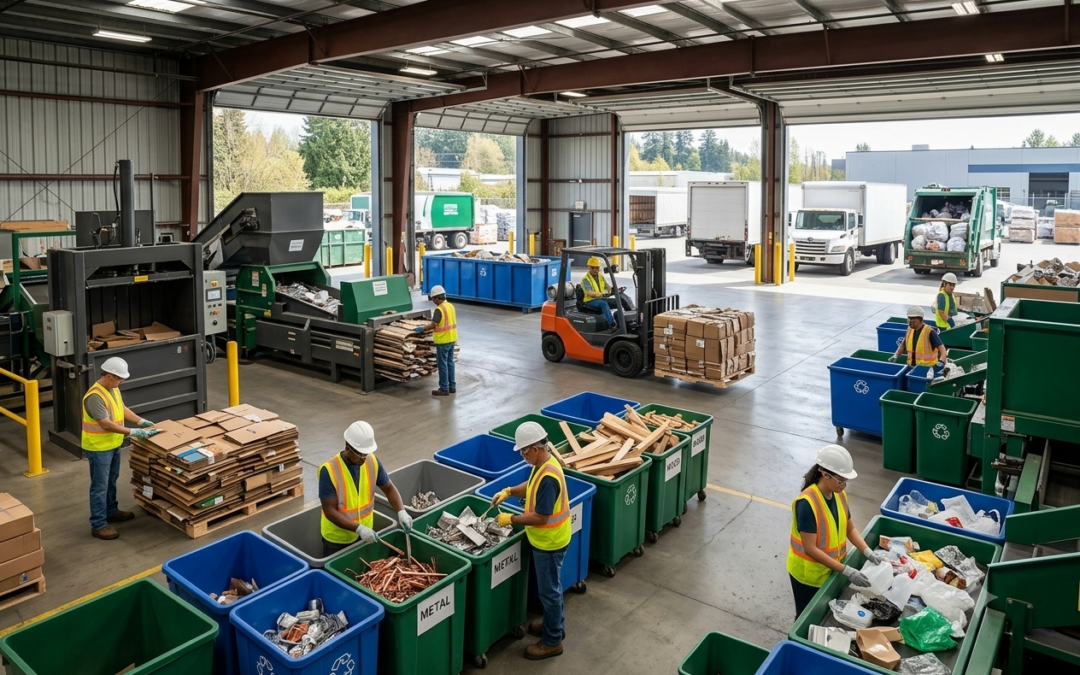
Retail stores, offices, warehouses, and commercial facilities often produce large amounts of cardboard and paper waste. With proper sorting, these materials can be recycled instead of being discarded.
Common recyclable paper materials include:
- Shipping boxes
- Packaging materials
- Office paper
- Printed documents
- Paperboard products
Metal Recovery
Many industries generate valuable metal waste that can be recovered through proper recycling programs.
Examples include:
- Steel components
- Aluminum materials
- Copper wiring
- Metal fixtures
- Machinery parts
Separating metal from general waste helps conserve resources while reducing unnecessary landfill use.
Construction and Renovation Materials
Construction projects create significant waste streams, but many materials can be recovered when handled correctly.
These may include:
- Wood
- Drywall
- Concrete
- Scrap metal
- Packaging materials
Businesses involved in construction and renovation can benefit from organized recycling plans that keep reusable materials out of disposal streams.
How Waste Audits Help Langley Businesses Improve Recycling
One of the most effective ways to discover recycling opportunities is through a waste assessment. A waste audit helps businesses understand what materials they are throwing away and where improvements can be made.
A professional review can identify:
- Frequently wasted recyclable materials
- Areas where sorting can improve
- Opportunities to reduce unnecessary waste
- Better collection methods
- More efficient recycling processes
By understanding their waste patterns, businesses can create a recycling strategy that matches their actual needs.
Industries That Can Benefit From Better Recycling Practices
Almost every commercial sector can improve its recycling efforts. Different industries produce different waste streams, which means customized solutions are often more effective.
Retail Businesses
Retail locations commonly generate cardboard, packaging materials, plastic, and product-related waste.
Offices
Office environments can improve recycling by managing paper, electronics, packaging, and outdated equipment responsibly.
Warehouses and Industrial Facilities
Large facilities often have opportunities to recover metals, pallets, packaging, and other reusable materials.
Construction Companies
Builders and contractors can reduce project waste by separating recyclable materials throughout the construction process.
Improving Commercial Recycling Efficiency in Langley
Having recycling options available is only the first step. Businesses also need an organized system to ensure recyclable materials are collected, separated, and processed correctly.
Some effective ways to improve recycling performance include:
Create Dedicated Recycling Areas
Clearly labeled collection areas help employees separate recyclable materials from general waste. This simple step can prevent valuable resources from being unnecessarily discarded.
Train Employees on Waste Separation
Employee awareness plays an important role in successful recycling programs. Staff should understand which materials belong in recycling streams and how contamination can affect the recycling process.
Monitor Waste Generation
Tracking the types and amount of waste produced helps businesses identify areas for improvement. Regular monitoring can reveal opportunities to reduce waste and recover more materials.
Partner With an Experienced Recycling Provider
Working with a knowledgeable recycling company helps businesses develop practical solutions based on their industry, waste volume, and operational requirements.
The Business Benefits of Recovering More Materials
Improving recycling practices is not only beneficial for the environment. It can also create operational advantages for businesses.
Companies that focus on better material recovery may experience:
- Reduced waste management challenges
- Improved workplace efficiency
- Stronger sustainability reporting
- Better resource management
- Enhanced reputation among customers and partners
As sustainability becomes increasingly important, businesses that take proactive steps toward responsible recycling can create long-term value.
Avoiding Common Commercial Recycling Mistakes
Even businesses with recycling programs can face challenges that reduce their results.
Mixing Recyclable Materials With General Waste
When recyclable materials are mixed with regular garbage, recovery becomes more difficult and valuable resources may be lost.
Ignoring Smaller Waste Streams
Businesses often focus on major waste categories but overlook smaller materials that can still contribute to overall recycling improvements.
Not Reviewing Recycling Performance
Without tracking results, companies may miss opportunities to improve their waste management approach.
Choosing a One-Size-Fits-All Approach
Every business produces different types of waste. A recycling strategy should be customized based on the company’s operations and materials.
Building a More Sustainable Future for Langley Businesses
Commercial recycling is evolving from a basic waste solution into an important part of responsible business operations. Companies that identify hidden recycling opportunities can reduce their environmental footprint while improving the way they manage resources.
From offices and retail locations to warehouses, industrial facilities, and construction sites, every business can recover more materials through smarter waste management practices.
Finding hidden opportunities in business waste can transform how companies approach sustainability. With proper planning, sorting, and professional guidance, recyclable materials can be recovered instead of becoming unnecessary landfill waste.
For businesses looking to improve their recycling strategy, Canadian Empire Recycling & Disposal provides reliable solutions designed around commercial waste streams. Their experienced team helps organizations manage recyclable materials efficiently, improve waste recovery, and create more sustainable operations. Contact Canadian Empire Recycling & Disposal today to explore customized recycling solutions for your Langley business.