Most people don’t think twice before tossing items into the trash. However, not everything belongs in your regular garbage bin. Many everyday household and commercial items can actually be hazardous, posing serious risks to human health and the environment. Understanding what qualifies as toxic waste and how to dispose of it properly is essential—especially for residents and businesses in Chilliwack.
What Is Hazardous Waste?
Hazardous waste refers to materials that are dangerous or potentially harmful to people, animals, or the environment. These items can be toxic, flammable, corrosive, or reactive.
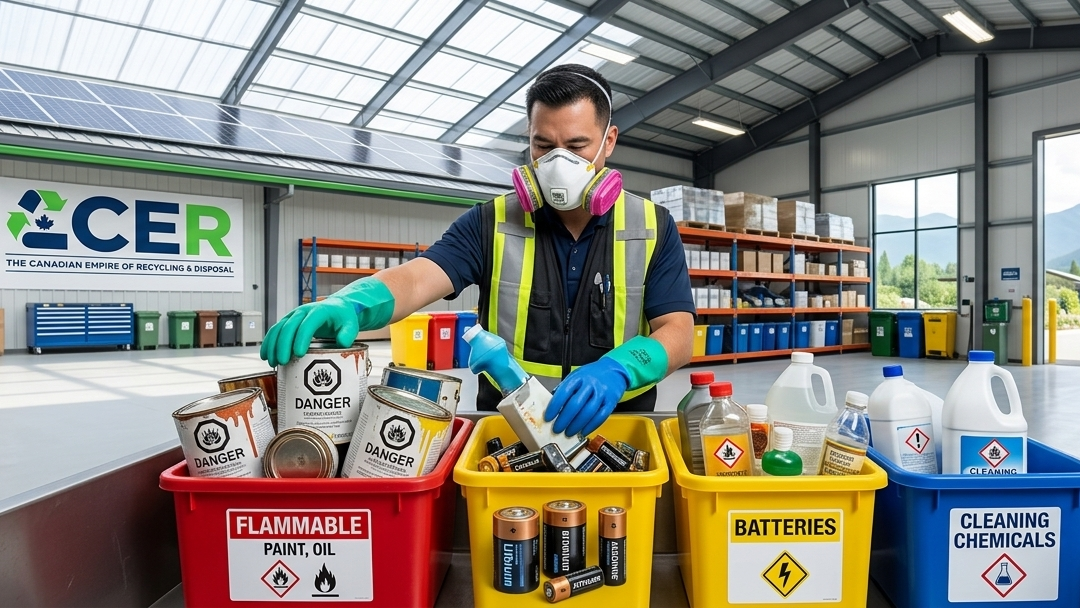
Common examples include:
- Paints and solvents
- Batteries
- Pesticides and herbicides
- Cleaning chemicals
- Motor oil and automotive fluids
- Electronic waste (e-waste)
Even small amounts of these substances can contaminate soil and water if disposed of incorrectly.
Why Hazardous Waste Is a Serious Concern
Improper disposal of toxic materials can lead to severe consequences. When these items end up in landfills or are poured down drains, they can release toxic chemicals into the environment.
Some major risks include:
- Soil contamination is affecting agriculture and plant life
- Water pollution is harming aquatic ecosystems
- Health hazards such as respiratory issues or skin irritation
- Fire hazards due to flammable materials
This is why proper Hazardous Waste Disposal Chilliwack practices are not just recommended—they are essential.
Signs Your Trash Might Be Dangerous
Not sure if something is hazardous? Here are a few warning signs:
- Labels that say “toxic,” “flammable,” or “corrosive.”
- Strong chemical odors
- Items that require special handling or storage
- Products with warning symbols
If you notice any of these, it’s best not to throw them in your regular trash.
Household Hazardous Waste: What to Watch For
Many items in your home can become waste over time. For example:
- Old paint cans are stored in the garage
- Expired cleaning supplies under the sink
- Used batteries and light bulbs
- Leftover automotive fluids
These items require special handling and should never be mixed with general waste.
Business Waste: Higher Responsibility, Greater Impact
For businesses, hazardous waste management is even more critical. Commercial operations often generate larger quantities of waste, including chemicals, industrial materials, and electronic components.
Proper Commercial Waste Disposal Chilliwack ensures:
- Compliance with local regulations
- Reduced environmental impact
- Improved workplace safety
- Protection from fines and legal issues
Whether you run a small shop or a large facility, responsible waste disposal should be a top priority.
Safe Disposal Methods in Chilliwack
Handling hazardous waste properly doesn’t have to be complicated. Here are some best practices:
1. Separate Hazardous Materials
Always keep hazardous items separate from regular garbage to prevent contamination.
2. Store Safely
Use original containers and ensure they are tightly sealed and clearly labeled.
3. Use Approved Disposal Services
Local recycling and disposal facilities are equipped to handle hazardous materials safely.
4. Never Pour Chemicals Down the Drain
This can contaminate water systems and cause long-term environmental damage.
Environmental Benefits of Proper Disposal
When hazardous waste is disposed of correctly, it can often be treated, recycled, or safely neutralized. This reduces the burden on landfills and helps conserve natural resources.
Benefits include:
- Cleaner air and water
- Reduced pollution
- Safer communities
- Sustainable waste management practices
Every small effort contributes to a healthier environment for future generations.
Common Mistakes to Avoid
Even with good intentions, many people make mistakes when disposing of hazardous waste. Avoid these common errors:
- Throwing batteries in household trash
- Mixing chemicals
- Burning hazardous materials
- Ignoring warning labels
These actions can lead to dangerous reactions and environmental harm.
How to Stay Compliant with Local Regulations
Chilliwack has strict guidelines for hazardous waste disposal. Staying compliant not only protects the environment but also helps you avoid penalties.
To stay on track:
- Follow municipal waste guidelines
- Use licensed disposal services
- Keep records for commercial waste
- Stay updated on local regulations
Being proactive ensures you’re always on the right side of the law.
Take Action with Canadian Empire Recycling & Disposal
If you’re unsure how to handle hazardous waste, professional help can make all the difference. Contact Canadian Empire Recycling & Disposal for reliable and efficient solutions tailored to both residential and commercial needs.
Their experienced team ensures that hazardous materials are handled safely, transported responsibly, and disposed of according to regulations. Whether you’re cleaning out your home or managing business waste, they provide dependable support every step of the way.
Your trash might be more dangerous than you think. By understanding what qualifies as hazardous waste and taking the right steps to dispose of it, you can protect your health, your community, and the environment.
Don’t wait until it becomes a problem—start managing your waste responsibly today.