Quick Answer
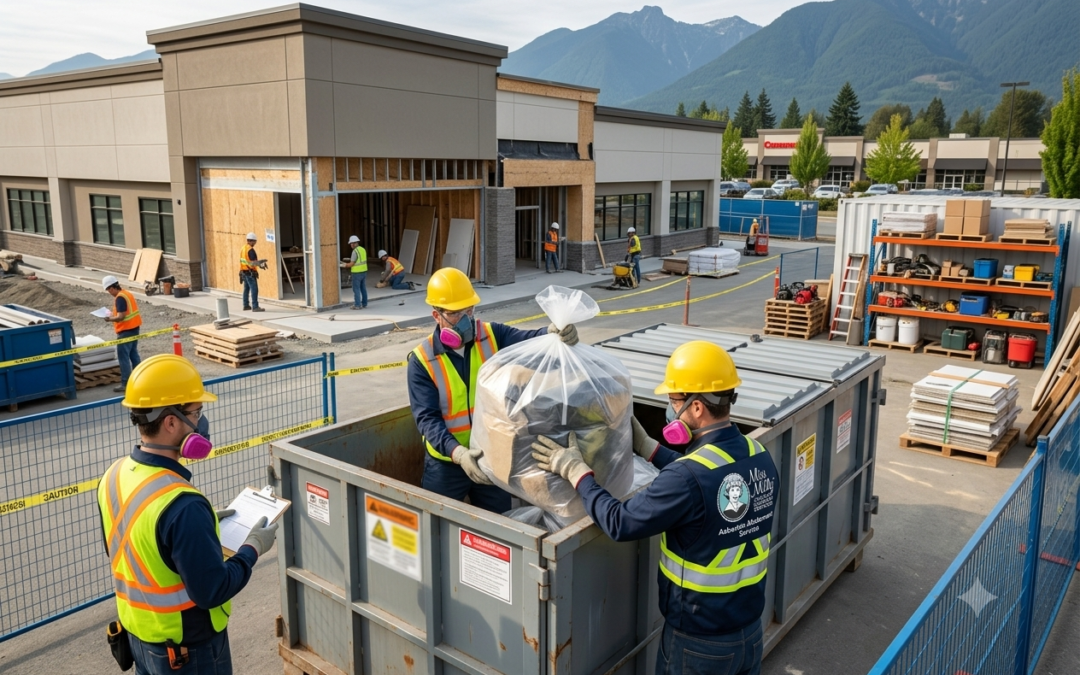
Proper asbestos waste planning can help Chilliwack contractors avoid unnecessary project delays, storage problems, and compliance issues. When asbestos-containing materials are expected during renovation, demolition, or building upgrades, arranging the right waste container before work begins gives crews a controlled place to manage the material safely. Asbestos Waste Bin Rental Chilliwack services can be particularly useful for projects where significant amounts of asbestos-containing waste may need to be contained and removed.
The key is to plan. Contractors should understand the expected waste volume, arrange suitable containment, coordinate pickup timing, and ensure asbestos waste is handled according to applicable requirements. Waiting until a project is already underway can make waste management more difficult and potentially interfere with the work schedule.
Why Can Asbestos Waste Disrupt Chilliwack Projects?
Renovation and demolition projects do not always generate the same amount of waste. Removing older insulation, flooring, drywall, roofing materials, pipe insulation, or other asbestos-containing materials can create a substantial amount of regulated waste that requires careful handling.
Unlike ordinary construction debris, asbestos waste cannot simply be placed into a standard construction bin. It needs to be properly contained and managed to reduce the risk of fibre release and prevent accidental mixing with other materials.
If a contractor has not planned for this waste in advance, the project may face unexpected storage requirements or delays while an appropriate waste management solution is arranged.
When Should Contractors Arrange an Asbestos Waste Bin?
The ideal time to arrange an asbestos waste bin is before asbestos-related work begins. Planning early gives contractors an opportunity to estimate the quantity of waste, determine the appropriate container requirements, and coordinate collection around the project schedule.
This is particularly important for larger commercial renovations and demolition projects. If asbestos materials are being removed over several days or phases, contractors should also consider how long the waste will remain on-site and when pickup will be required.
Early planning can help keep the work area organized and prevent waste from becoming an obstacle for workers or other contractors.
How Do You Choose the Right Bin Size?
The right container depends largely on the scope of the project and the expected amount of asbestos-containing material.
Before arranging a rental, contractors should consider:
- The type and quantity of asbestos-containing materials being removed
- Whether the project involves renovation, demolition, or selective removal
- How much waste is expected during each work phase
- Available space for the container at the property
- The expected duration of the project
- Pickup requirements and scheduling
Estimating waste volume as accurately as possible can help prevent the need for an additional container later. At the same time, contractors should avoid choosing a container based only on convenience without considering the project’s actual waste requirements.
Why Is Proper Waste Separation Important?
Keeping asbestos-containing waste separate from regular construction debris is an important part of responsible waste management. Mixing materials can complicate handling and may create additional safety and disposal concerns.
Workers should follow the applicable procedures for identifying, packaging, containing, transporting, and managing asbestos waste. The waste container should also be used only in accordance with the requirements provided for asbestos-containing materials.
For projects using Asbestos Waste Bin Rental Services Chilliwack, clear communication between property owners, contractors, abatement professionals, and the waste management provider can help everyone understand what materials are being handled and how collection should be coordinated.
What Should Contractors Consider Before Pickup?
Pickup should be planned around the project’s actual work schedule. A container that remains on-site longer than necessary can take up valuable space, while arranging pickup too early can leave the project without a suitable place for additional waste.
Before scheduling collection, contractors should confirm:
- The approximate amount of waste ready for removal.
- That asbestos-containing materials have been properly contained.
- That the container is accessible for collection.
- That the pickup timing fits the construction schedule.
- That required documentation and handling procedures have been followed.
Good coordination can make the transition from waste generation to removal much smoother.
How Can Early Planning Prevent Project Delays?
One of the biggest advantages of planning asbestos waste management early is predictability. Contractors can include waste handling and collection in the project schedule instead of treating it as an unexpected task.
For example, a renovation project may have several stages of material removal. If the waste container and pickup schedule are planned around those stages, crews can continue working without having to stop because waste storage has become a problem.
Early planning also gives contractors time to address questions about containment, access, collection frequency, and disposal requirements before the work starts.
What Makes Asbestos Waste Disposal Different?
Asbestos-containing materials require more careful management than ordinary commercial or construction waste. The priority is to prevent asbestos fibres from becoming airborne and to ensure the material is contained and transported appropriately.
Businesses and contractors arranging Asbestos Waste Disposal Chilliwack should therefore work with a waste management provider that understands the requirements associated with asbestos-containing materials.
Proper planning does more than provide a place to put waste. It helps create a controlled process from removal and containment through to collection and final disposal.
How Can Businesses Prepare for Future Asbestos Projects?
Businesses managing older commercial properties can make future projects easier by considering asbestos waste management during the planning stage. If asbestos-containing materials may be present, contractors can account for assessment, removal, containment, bin requirements, and collection when developing the project schedule and budget.
Maintaining clear communication with everyone involved also helps avoid confusion once work begins. Property managers should know who is responsible for asbestos-related work, waste containment, container arrangements, and pickup coordination.
A little preparation before demolition or renovation can prevent significant disruption later.
Asbestos waste can become a major logistical challenge when it is not considered before a renovation or demolition project begins. Estimating waste volumes, arranging suitable containment, separating asbestos materials from other debris, and coordinating pickup in advance can help Chilliwack projects stay organized and on schedule.
For businesses and contractors that need professional support with asbestos-related waste management, contact Canadian Empire Recycling & Disposal for help coordinating appropriate waste solutions for commercial projects and planned cleanouts.