When a business starts cleaning out a warehouse, workshop, office, or commercial property, most waste is easy to identify. Cardboard goes with recycling, general garbage goes into regular bins, and larger items can be separated for appropriate disposal.
Hazardous waste is different.
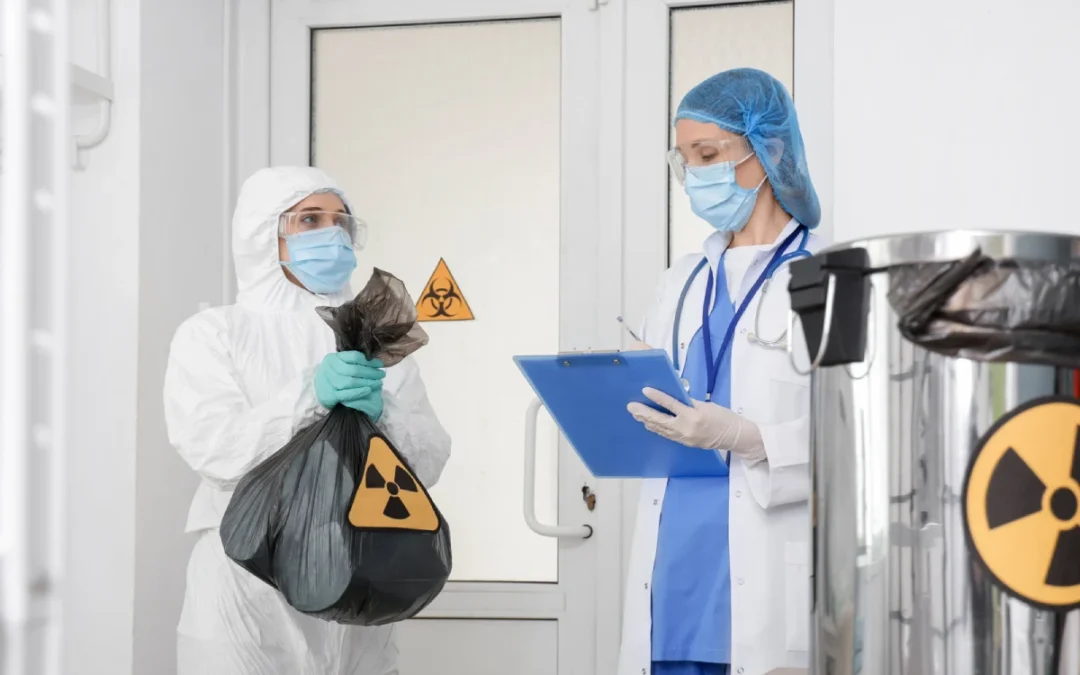
Some materials may look like ordinary business waste but can require special handling because they contain substances that are flammable, corrosive, toxic, reactive, or otherwise harmful. For businesses in Chilliwack, knowing how to recognize these materials can make commercial cleanup safer and more organized.
What Is Considered Hazardous Waste?
Hazardous waste generally refers to discarded materials that can pose a risk to people, property, or the environment if they are handled or disposed of incorrectly.
Businesses may encounter hazardous materials in many forms, including liquids, solids, containers, residues, and contaminated materials.
Common examples can include:
- Certain chemical products
- Solvents and degreasers
- Used oils and petroleum-based products
- Paints, coatings, and related products
- Certain batteries
- Chemical residues
- Contaminated absorbents or materials
- Flammable or corrosive products
- Unwanted commercial chemicals
The exact disposal requirements depend on the material and its characteristics. That is why businesses should avoid assuming that every unwanted product can simply be placed in a regular garbage bin.
Where Can Hazardous Waste Turn Up?
Hazardous waste is not limited to factories or large industrial facilities.
A retail property might have old cleaning chemicals stored in a back room. A warehouse could contain leftover maintenance products from years of operation. A contractor may discover unused chemicals during a renovation or demolition project.
Property managers can also encounter hazardous materials when preparing a building for a new tenant.
This means businesses should look beyond their regular waste bins when planning a cleanup. Storage rooms, maintenance areas, workshops, garages, utility spaces, and old inventory areas can all be worth checking.
The Label Can Tell You a Lot
Before disposing of an unfamiliar product, check its original container and label.
Look for information about:
- Product name
- Manufacturer
- Hazard symbols
- Handling instructions
- Warning statements
- Storage requirements
- Safety information
If the material is unidentified or the label is damaged, do not guess what it is based on appearance alone.
An unknown liquid, powder, or chemical container should be treated cautiously until its contents and appropriate handling requirements can be established.
Why Hazardous Waste Shouldn’t Go Into Regular Garbage
The biggest issue with improper disposal is that hazardous materials can create risks beyond the original business location.
A leaking container can expose workers during collection or transportation. Certain substances may also react with other materials if they are mixed together. Flammable products can create additional fire concerns, while chemical residues may contaminate other waste.
Improper disposal can also create environmental risks if hazardous substances enter soil or water.
For businesses searching for Hazardous Waste Disposal Chilliwack, identifying the waste before arranging removal is an important first step.
Don’t Mix Different Materials During a Cleanup
Commercial cleanouts can become complicated when multiple types of waste are discovered at the same time.
For example, a business may find paint containers, cleaning chemicals, used oil, batteries, cardboard, furniture, and construction debris during one property cleanup.
Putting everything into one pile may seem convenient, but different waste streams can have very different handling requirements.
Instead, separate materials as much as reasonably possible and keep hazardous products identifiable. This makes it easier to determine how each type of waste should be managed.
A Quick Hazardous Waste Audit for Your Business
If you are preparing for a commercial cleanup in Chilliwack, a simple inspection can help identify potential problem materials.
Start With Storage Areas
Check cabinets, shelves, storage rooms, maintenance areas, and other locations where products may have accumulated.
Look for Old Products
Products that are expired, unwanted, discontinued, or left behind after a project may need additional attention.
Check Containers
Look for damaged, leaking, corroded, or poorly labelled containers. Do not open an unfamiliar container simply to determine what is inside.
Separate Waste Types
Keep suspected hazardous materials apart from recyclable materials, general garbage, and other commercial waste.
Create an Inventory
Record what materials you have, how they are packaged, and approximately how much needs to be removed.
This basic preparation can make the disposal process more straightforward.
Hazardous Waste Can Be Part of a Larger Commercial Cleanup
Many businesses do not deal with hazardous materials as a standalone project.
A warehouse closure, renovation, relocation, or property turnover can generate several waste categories at once. There may be furniture, packaging, construction debris, recyclable materials, general waste, and hazardous products.
Managing these categories separately helps prevent hazardous materials from being accidentally placed into an unsuitable waste stream.
It can also help businesses plan collection requirements more efficiently instead of discovering disposal issues after the cleanup has already started.
When Should You Bring In a Professional?
Professional guidance can be particularly useful when the material is unknown, containers are damaged, several hazardous products are involved, or employees are not trained to handle the waste.
Businesses should not rely on smell, colour, or appearance to determine whether a substance is safe.
If you are uncertain about a product, keeping it contained and seeking appropriate disposal guidance is safer than experimenting with it or placing it into regular garbage.
Planning Makes Commercial Cleanup Easier
Hazardous waste management should be considered before a cleanup begins, not after the waste has already been mixed together.
Identify questionable materials early, keep products properly separated, review available labels and safety information, and determine the appropriate disposal process before arranging removal.
For Chilliwack businesses, this approach can help reduce unnecessary handling and keep hazardous materials from entering the wrong waste stream.
If your business has unwanted chemicals, commercial hazardous materials, or other waste requiring specialized handling, Canadian Empire Recycling & Disposal can help you plan the next step. Contact Canadian Empire Recycling & Disposal to discuss your hazardous waste disposal needs in Chilliwack.