Handling asbestos in commercial settings is not just another step in a renovation or demolition project—it’s a critical responsibility. From office buildings and warehouses to industrial facilities, asbestos-containing materials (ACMs) are still present in many older properties across Chilliwack. Managing this hazardous material safely, from removal to final disposal, is essential to protect workers, the public, and the environment.
Understanding Asbestos in Commercial Properties
Asbestos was widely used in commercial construction for decades because of its durability, fire resistance, and insulating properties. It can be found in:
- Insulation and pipe lagging
- Ceiling tiles and drywall compounds
- Roofing materials and siding
- Floor tiles and adhesives
- HVAC systems
While asbestos is not harmful when left undisturbed, any activity that damages these materials—such as renovations or demolitions—can release dangerous fibers into the air.
Why Proper Management Matters
Improper handling of asbestos waste can lead to severe health consequences, including respiratory diseases like mesothelioma and lung cancer. For businesses, it also means:
- Legal liabilities
- Project shutdowns
- Costly fines and penalties
- Damage to reputation
That’s why having a structured approach to asbestos management is essential for any commercial project.
Step 1: Inspection and Testing
Before any work begins, a certified asbestos inspection must be conducted. Professionals will:
- Identify asbestos-containing materials
- Assess their condition
- Determine the level of risk
- Provide recommendations for safe handling
Skipping this step can lead to accidental exposure and serious consequences.
Step 2: Planning and Compliance
Once asbestos is identified, a detailed removal plan must be created. This plan should comply with local and provincial regulations and include:
- Safety procedures
- Containment strategies
- Worker protection measures
- Waste handling protocols
Proper planning ensures that the removal process is controlled and safe from start to finish.
Step 3: Safe Asbestos Removal
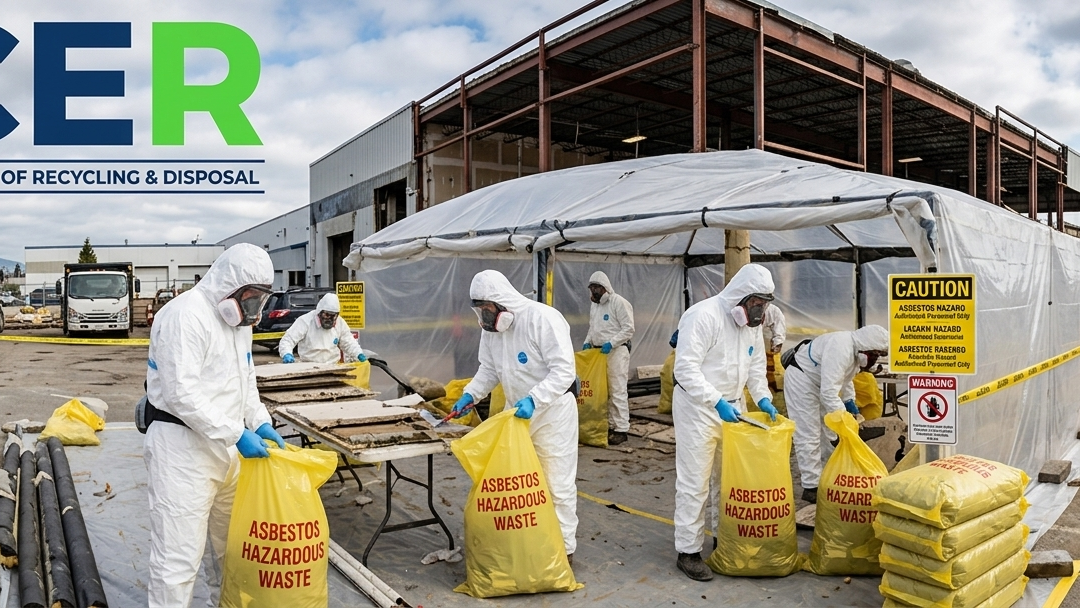
Asbestos removal in commercial settings requires trained professionals equipped with specialized tools and protective gear. Key practices include:
- Sealing off the work area
- Using negative air pressure systems
- Wearing full protective equipment
- Minimizing dust and fiber release
Attempting to remove asbestos without proper expertise is extremely dangerous and strictly discouraged.
Step 4: Secure Packaging and Labeling
After removal, asbestos waste must be carefully packaged to prevent contamination. This involves:
- Using approved, leak-proof bags or containers
- Double-sealing all materials
- Clearly labeling as hazardous waste
Proper packaging is crucial to ensure safe transportation and compliance with disposal regulations.
Step 5: Transportation and Disposal
Transporting asbestos waste requires adherence to strict guidelines. Only authorized carriers should handle this process to ensure safety and legal compliance.
Businesses looking for reliable Asbestos Waste Disposal Chilliwack services should work with professionals who understand the regulations and have the necessary permits. This ensures that waste is transported and disposed of responsibly.
Integrating Asbestos Disposal with Commercial Waste Management
Asbestos waste is often just one part of a larger cleanup or renovation project. Combining it with broader Commercial Waste Disposal Chilliwack solutions can streamline operations and improve efficiency.
Benefits of integrated waste management include:
- Reduced project delays
- Lower transportation costs
- Better site organization
- Simplified compliance with regulations
A coordinated approach helps businesses stay on schedule while maintaining safety standards.
Common Mistakes to Avoid
Many companies make critical errors when dealing with asbestos waste, such as:
- Failing to conduct proper inspections
- Using untrained workers for removal
- Improper packaging or labeling
- Disposing of waste in unauthorized locations
Avoiding these mistakes is essential to protect both people and the environment.
Environmental Responsibility
Proper asbestos disposal isn’t just about compliance—it’s about sustainability. When handled correctly:
- Contamination of soil and water is prevented
- Air quality is protected
- Communities remain safe
Responsible waste management reflects positively on your business and demonstrates a commitment to environmental stewardship.
Choosing the Right Disposal Partner
Not all waste management providers are equipped to handle asbestos. When selecting a partner, look for:
- Experience with hazardous materials
- Proper certifications and permits
- Reliable transportation and disposal methods
- Knowledge of local regulations
Working with the right team ensures that every step—from removal to disposal—is handled professionally.
Trusted Support for Asbestos Waste Management
Managing commercial asbestos waste can be complex, but you don’t have to do it alone. Canadian Empire Recycling & Disposal offers dependable and compliant solutions tailored to commercial projects in Chilliwack.
Their experienced team handles everything from safe transportation to proper disposal, ensuring your project meets all regulatory requirements. With a strong focus on safety and efficiency, Canadian Empire Recycling & Disposal helps businesses manage hazardous waste with confidence.
If your commercial project involves asbestos, don’t take risks—contact Canadian Empire Recycling & Disposal today for expert guidance and reliable service.