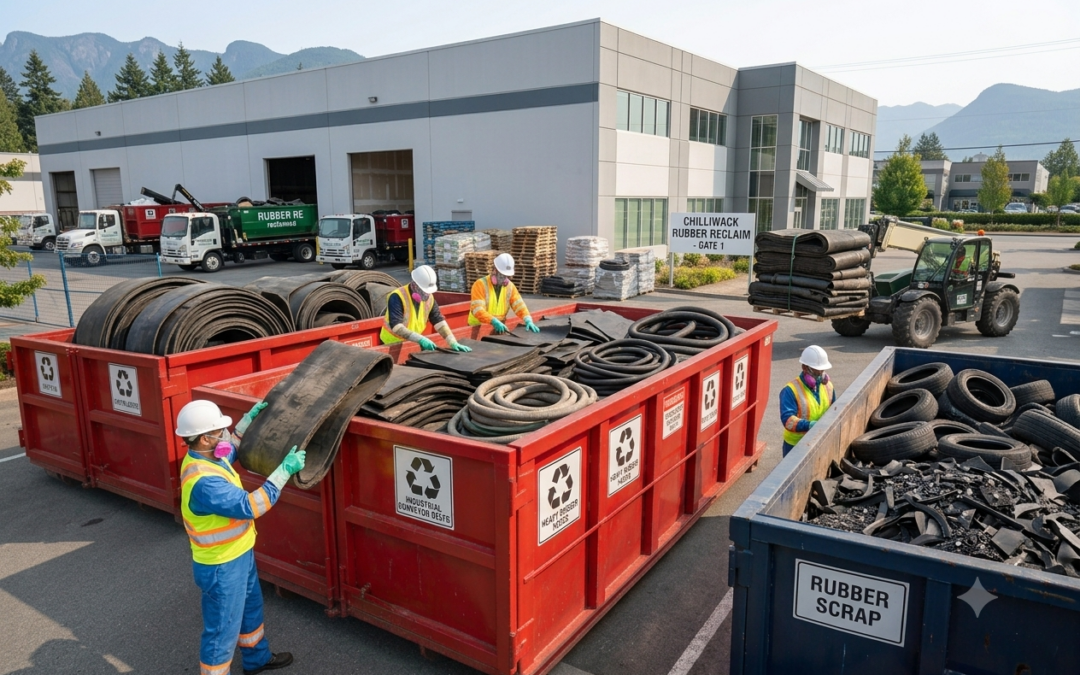
Every commercial operation generates waste, but not every waste stream receives the attention it deserves. Rubber waste is often overlooked because it does not appear hazardous at first glance. However, when old rubber products continue to accumulate in warehouses, construction sites, manufacturing facilities, or commercial properties, they can create unnecessary disposal costs, consume valuable storage space, and reduce overall operational efficiency.
Businesses across Chilliwack are placing greater emphasis on sustainable waste management as environmental regulations evolve and landfill capacity becomes more limited. Rather than treating rubber waste as ordinary garbage, companies are recognizing the value of Rubber Recycling as part of a long-term waste management strategy.
Whether your business handles conveyor belts, industrial rubber sheets, rubber mats, hoses, seals, gaskets, or machinery components, recycling these materials can help reduce costs while supporting environmental responsibility.
Why Rubber Waste Should Never Be an Afterthought
Commercial rubber products are designed to withstand demanding environments, making them durable but also difficult to break down once discarded. Sending these materials directly to landfill means businesses lose the opportunity to recover reusable resources while increasing long-term disposal expenses.
Common commercial sources of rubber waste include:
- Manufacturing offcuts
- Industrial conveyor belts
- Rubber flooring
- Warehouse dock bumpers
- Forklift tires
- Heavy equipment components
- Rubber hoses
- Protective mats
- Gaskets and seals
- Construction rubber materials
When these materials are separated for recycling instead of disposal, businesses improve both waste management efficiency and sustainability performance.
The Financial Impact of Delayed Rubber Recycling
Many businesses postpone recycling until storage areas become overcrowded. Although this may seem convenient, delaying action often creates hidden operational costs.
These costs can include:
- Higher landfill disposal fees
- Reduced warehouse storage capacity
- Increased labour for moving accumulated materials
- More frequent waste collections
- Cluttered loading docks
- Reduced workplace efficiency
- Additional housekeeping requirements
Instead of waiting for waste to become a problem, scheduled recycling helps businesses maintain organized commercial facilities while controlling disposal costs.
Better Waste Separation Leads to Better Business Performance
One of the biggest mistakes commercial facilities make is placing recyclable rubber materials into general waste containers.
Separating recyclable materials before disposal allows businesses to improve recovery rates and reduce unnecessary landfill use.
Professional commercial waste services help businesses create organized recycling systems that support:
- Cleaner work environments
- Better waste diversion
- Improved recycling efficiency
- Lower disposal volumes
- Reduced operational disruptions
For manufacturers, warehouses, and logistics companies, effective waste separation also simplifies daily operations by preventing recyclable materials from mixing with general commercial waste.
Environmental Compliance Is Becoming a Business Priority
Commercial organizations are increasingly expected to manage waste responsibly while meeting environmental expectations. Although many rubber products are recyclable, businesses often generate additional waste streams that require specialized handling.
Companies operating industrial facilities, automotive businesses, manufacturing plants, or construction sites frequently combine their recycling strategy with Hazardous Waste Disposal services to create a more efficient waste management program.
Managing recyclable materials alongside regulated waste through a structured plan helps reduce confusion, improve workplace safety, and simplify overall waste handling procedures.
Industries That Benefit Most from Rubber Recycling
Commercial rubber recycling supports a wide range of industries throughout Chilliwack.
Businesses that commonly generate recyclable rubber include:
- Manufacturing facilities
- Warehouses
- Distribution centres
- Construction companies
- Transportation businesses
- Fleet maintenance facilities
- Agricultural operations
- Industrial processing plants
- Property management companies
- Equipment rental businesses
For these industries, routine recycling helps maintain cleaner facilities while improving operational efficiency.
Common Mistakes Businesses Should Avoid
Many organizations lose money because rubber waste is managed only when storage space becomes limited.
Some of the most common mistakes include:
Delaying Waste Collection
Waiting several months before arranging recycling often creates unnecessary storage problems and additional handling costs.
Mixing Rubber with General Waste
Recyclable rubber should be separated whenever possible to improve recovery opportunities and reduce landfill disposal.
Ignoring Waste Audits
Businesses rarely measure how much recyclable material they discard. Regular waste reviews often identify significant opportunities to reduce disposal costs.
Choosing Reactive Instead of Planned Waste Management
A scheduled recycling program keeps commercial properties organized and prevents waste from disrupting business operations.
Build a Smarter Commercial Recycling Strategy
Rubber recycling works best when it becomes part of a larger commercial waste management plan rather than a one-time cleanup project.
Businesses should:
- Identify major sources of rubber waste.
- Separate recyclable materials at the point of collection.
- Schedule routine pickups before waste accumulates.
- Monitor waste volumes regularly.
- Train employees on proper waste separation.
- Review recycling performance to identify future improvements.
These simple operational improvements help businesses reduce costs while supporting sustainability objectives.
Sending recyclable rubber materials to landfill may seem like the easiest option, but the long-term financial and operational costs can be significant. From lost storage space and increased disposal expenses to reduced workplace efficiency, delayed recycling affects more than just waste management.
Implementing a structured Rubber Recycling program allows businesses to recover valuable materials, improve operational performance, and reduce unnecessary landfill waste. Combining these efforts with professional Commercial Waste Recycling Chilliwack services creates a more organized and sustainable approach to managing commercial waste.
If your business also manages regulated materials, integrating recycling with dependable Hazardous Waste Disposal Chilliwack solutions can further strengthen your waste management strategy while supporting environmental compliance.
Canadian Empire Recycling & Disposal provides reliable commercial recycling services for businesses throughout Chilliwack. Whether you operate a warehouse, manufacturing facility, construction company, or industrial site, our experienced team delivers dependable recycling and waste management solutions designed to keep your operations efficient, organized, and environmentally responsible. Contact Canadian Empire Recycling & Disposal today to discuss a customized recycling plan for your business.