Proper tire disposal plays a critical role in protecting the environment, preventing pollution, and supporting sustainable waste management practices. While many residents and businesses understand the importance of recycling old tires, simple mistakes can lead to fines, environmental damage, or unnecessary costs. If you’re planning on disposing of old tires, understanding what not to do is just as important as knowing the right steps.
1. Dumping Tires Illegally
One of the biggest mistakes is illegally dumping tires in alleys, vacant lots, construction sites, or wooded areas. Some people assume that because tires are bulky and difficult to handle, dumping them discreetly won’t cause harm. In reality, illegal tire dumping creates serious environmental hazards.
Tires collect rainwater, becoming breeding grounds for mosquitoes and pests. They are also highly flammable, and tire fires are extremely difficult to extinguish. Burning tires releases toxic fumes that pollute the air and soil.
Avoid this mistake by always choosing authorized recycling facilities or professional waste disposal services.
2. Sending Tires to Regular Landfills
Another common error is placing old tires in regular garbage bins or taking them to standard landfills. Many landfills do not accept whole tires because they take up excessive space and do not decompose easily.
Tires are designed to be durable, which means they can last for decades in a landfill. They may also trap methane gases and rise to the surface, damaging landfill liners and causing environmental issues.
Instead of treating tires as general waste, ensure they are directed to proper recycling facilities where materials like rubber, steel, and fiber can be reused.
3. Ignoring Local Regulations
Burnaby, like many municipalities, has specific regulations regarding tire disposal. Failing to follow these rules can result in fines or penalties for both homeowners and businesses.
Before disposing of tires, research approved programs or facilities in your area. Some auto shops and retailers also participate in take-back programs when you purchase new tires.
Understanding local guidelines ensures compliance and supports sustainable waste management initiatives.
4. Not Checking Tire Condition Before Disposal
Many people dispose of tires without assessing whether they can be reused, retreaded, or repurposed. Tires that still have adequate tread depth may be suitable for resale or donation.
Reusing tires extends their lifecycle and reduces overall waste. Recycling should be the next step only after reuse is no longer an option.
By evaluating tire condition first, you contribute to a more circular economy.
5. Mixing Tires with Hazardous Materials
A significant mistake occurs when tires are mixed with other waste types, especially chemicals, oils, or industrial debris. Contaminated tires may be harder to process and could be rejected by recycling facilities.
Proper separation is essential. If your tires have been exposed to hazardous substances, they may require specialized handling. Facilities such as a Hazardous Waste Drop Off Depot Burnaby are equipped to manage materials that require careful treatment and environmental safeguards.
Always separate tires from chemicals, paints, solvents, or automotive fluids before disposal.
6. Attempting DIY Tire Burning or Cutting
Some individuals attempt to burn or cut tires to reduce their size before disposal. This is extremely dangerous and environmentally harmful.
Burning tires releases toxic pollutants, including carbon monoxide, sulfur dioxide, and carcinogenic compounds. Cutting tires without proper equipment can also result in serious injuries due to embedded steel belts.
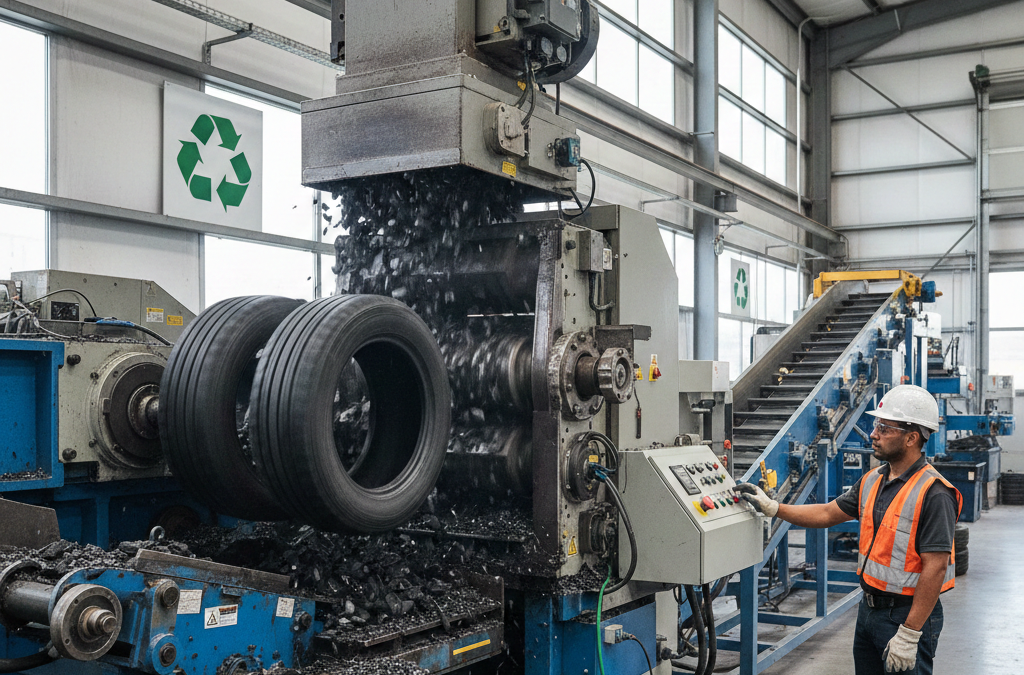
Professional recycling facilities have specialized equipment to safely process tires into reusable materials such as crumb rubber and steel.
7. Overlooking Commercial Tire Disposal Requirements
Businesses, auto repair shops, and construction companies often generate large quantities of used tires. Treating commercial tire waste the same way as residential disposal is a major mistake.
Commercial operations may require documentation, transportation permits, or bulk recycling solutions. If you operate a business, consider professional Hazardous Waste Disposal Burnaby to ensure compliance and environmentally responsible handling.
Proper documentation protects your business from liability while demonstrating environmental responsibility.
8. Delaying Tire Disposal
Storing old tires for extended periods may seem harmless, but it can create safety and environmental risks. Stacked tires can trap water, attract pests, and pose fire hazards.
Additionally, prolonged storage takes up valuable space in garages, warehouses, and yards. Scheduling a timely pickup or drop-off prevents clutter and reduces risks.
Prompt disposal also ensures that recyclable materials are reintroduced into manufacturing cycles sooner.
9. Choosing Unlicensed Recycling Services
Not all disposal companies operate legally or follow proper recycling standards. Hiring an unlicensed service may result in your tires being dumped illegally without your knowledge.
Always verify that the company you choose is licensed, insured, and compliant with local regulations. Reputable providers will offer transparent processes and clear documentation.
When selecting a service for Tire Recycling Burnaby, ask about how the tires are processed and where the recycled materials are sent.
10. Assuming Tires Have No Recycling Value
Some people believe that old tires are useless waste. In reality, recycled tires are transformed into valuable materials used in playground surfaces, athletic tracks, rubberized asphalt, construction materials, and landscaping products.
Steel extracted from tires is reused in manufacturing, while rubber can be processed into crumb rubber for various applications. Recycling conserves natural resources and reduces the need for new raw materials.
Understanding the value of tire recycling encourages responsible disposal practices.
Why Proper Tire Recycling Matters
Effective tire recycling reduces landfill waste, prevents environmental contamination, and supports sustainable infrastructure projects. Burnaby residents and businesses play a key role in maintaining a cleaner, safer community.
By avoiding the mistakes outlined above, you ensure that tires are processed safely and responsibly. Proper disposal protects soil, air quality, and water systems while contributing to the circular economy.
Professional Support for Tire Disposal
If you’re unsure about the correct disposal process or need assistance handling multiple tires, working with professionals can simplify the process. Reliable recycling services provide pickup, transportation, and proper processing while ensuring compliance with local regulations.
For dependable tire disposal solutions, contact Canadian Empire Recycling, which offers environmentally responsible recycling services for residential, commercial, and industrial clients. Their experienced team ensures tires are handled safely and in accordance with municipal guidelines.
Whether you have a few passenger tires or large commercial volumes, Canadian Empire Recycling can help streamline the process and provide expert guidance for compliant disposal in Burnaby.
By staying informed and avoiding these common mistakes, you contribute to a safer and more sustainable community. Responsible tire recycling isn’t just about waste removal—it’s about environmental stewardship and long-term impact.