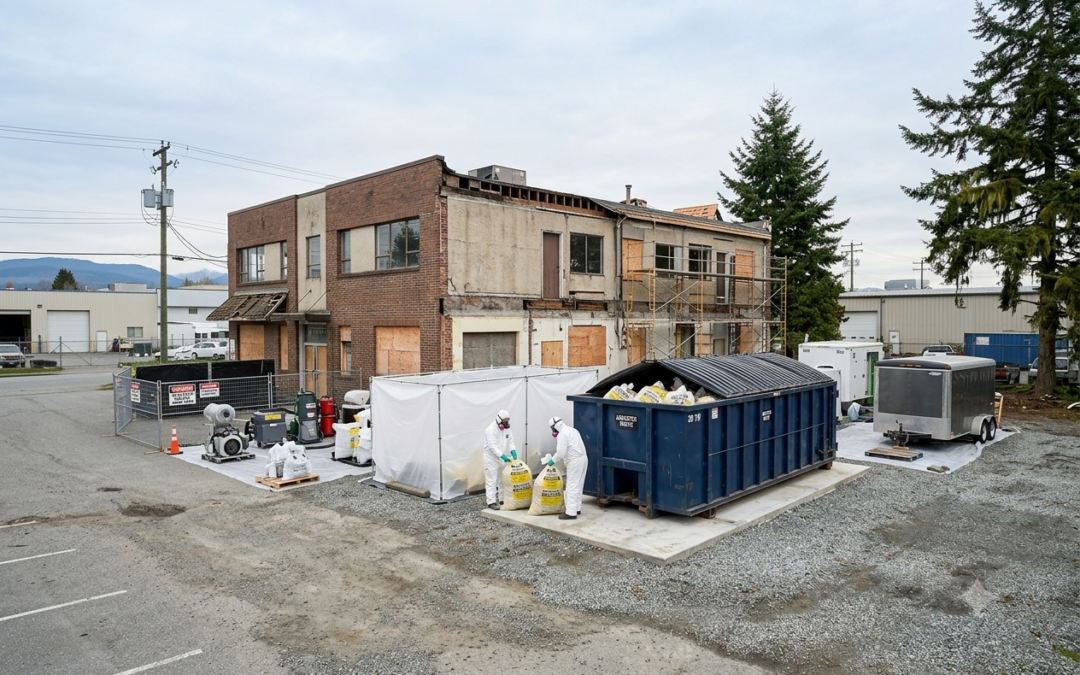
Commercial renovation and demolition projects can generate many different types of waste, but asbestos-containing materials require a much more controlled approach than ordinary construction debris. For businesses working in older buildings, choosing an appropriate waste container before asbestos materials are removed can help keep the project organized and reduce the risk of improper handling.
The right Asbestos Waste Bin Rental Burnaby service should be selected based on the type and volume of asbestos-containing waste, project conditions, site access, containment requirements, collection timing, and the disposal process that follows.
Simply choosing the largest available bin is not always the best solution. Businesses should consider the entire waste-management process before work begins.
Why Does Asbestos Waste Need a Specialized Bin?
Asbestos-containing materials cannot be treated like regular renovation debris. Disturbing certain asbestos-containing products can release hazardous fibres, which is why appropriate precautions are required during removal and waste handling.
A general construction bin may be suitable for ordinary materials such as clean wood, concrete, or certain non-hazardous renovation debris. It should not automatically be assumed to be appropriate for asbestos-containing waste.
A specialized asbestos waste management approach helps businesses account for:
- Appropriate containment
- Waste segregation
- Safe loading practices
- Transportation requirements
- Disposal procedures
- Site-specific project conditions
Planning these requirements before demolition or renovation begins can prevent asbestos waste from becoming mixed with ordinary construction materials.
What Should Businesses Consider Before Renting an Asbestos Waste Bin in Burnaby?
There is no single bin solution for every commercial project. Several factors should be evaluated before arranging a rental.
1. Determine the Type of Asbestos Waste
The first step is understanding what material will be removed.
Asbestos may potentially be found in older insulation, flooring products, roofing materials, cement products, pipe coverings, wall or ceiling materials, and other building components.
Different materials may create different waste-handling requirements. Businesses should therefore identify the materials involved before selecting a container.
2. Estimate the Amount of Waste
The quantity of asbestos-containing material is another important consideration.
A small renovation may produce a relatively limited amount of waste, while a large commercial demolition can generate substantially more material. Underestimating the required capacity can lead to additional collections, project delays, or unnecessary logistical complications.
At the same time, choosing a much larger container than necessary may not be the most practical or economical approach.
The goal is to match the waste container and collection schedule with the actual project requirements.
3. Consider the Project Timeline
Asbestos removal should be incorporated into the overall renovation or demolition schedule.
Businesses should consider:
- When removal will begin
- How quickly waste will accumulate
- How long the container will be required
- When collection should occur
- Whether additional pickups may be necessary
Coordinating the bin rental services Burnaby with the project timeline can reduce the amount of time asbestos-containing waste remains on-site.
Does Site Access Matter When Choosing a Waste Bin?
Yes. Commercial properties in Burnaby can have very different site conditions.
A container may need to be positioned in a location that allows workers to load waste safely while still providing sufficient access for collection vehicles.
Before arranging a rental, businesses should consider:
- Available driveway or loading space
- Property access
- Overhead clearance
- Traffic around the worksite
- Proximity to the building
- Space needed for safe loading
- Local site restrictions
A bin that fits the waste volume but cannot be conveniently placed or collected may create unnecessary problems.
Discussing access conditions with the waste provider ahead of time can help determine a practical placement and collection arrangement.
How Is Asbestos Waste Different From General Construction Waste?
One of the most important distinctions is that asbestos-containing waste requires controlled handling.
General renovation waste can include materials such as wood, cardboard, concrete, metal, and other construction debris. Some of these materials may be recycled or managed through conventional waste streams.
Asbestos-containing waste, however, needs to be kept separate and handled according to the applicable requirements.
Businesses looking for Asbestos Waste Disposal Burnaby should therefore confirm that their selected provider understands the specific requirements associated with asbestos-containing materials rather than treating them as ordinary construction waste.
Why Is Proper Waste Segregation Important?
Mixing asbestos-containing materials with other construction debris can create additional handling complications.
For example, a renovation project may generate drywall, flooring, wood, insulation, metal, and asbestos-containing materials at the same time. If these materials are not properly separated, the waste-management process can become more complicated.
A planned waste strategy can establish separate streams before work begins.
This can help businesses:
- Reduce accidental mixing
- Keep the worksite more organized
- Simplify collection
- Improve waste tracking
- Support appropriate disposal
Waste segregation should be considered during project planning rather than after demolition has already started.
What Role Does Asbestos Waste Transportation Play?
Renting an appropriate bin is only one part of asbestos waste management. The waste also needs to be transported appropriately from the commercial site to an approved destination.
This is why businesses should consider Asbestos Waste Transportation Burnaby when selecting a waste management provider.
Transportation arrangements should account for the nature of the asbestos-containing waste, appropriate containment, loading procedures, collection scheduling, and the destination where the waste will be managed.
A provider that handles the complete waste-management process can make coordination easier for contractors and property managers.
How Can Businesses Avoid Choosing the Wrong Bin?
Several common mistakes can make asbestos waste management more difficult.
Choosing Based Only on Price
The cheapest bin option may not provide the appropriate service for an asbestos-related project. Businesses should compare the complete service, including collection, transportation, handling, and disposal.
Estimating Waste Without Considering the Entire Project
A business may calculate waste based only on visible materials while overlooking additional asbestos-containing components that could be discovered during removal.
Project planning should account for potential changes and establish how additional waste will be handled.
Treating Asbestos Like Ordinary Renovation Waste
Asbestos waste should not simply be treated as another category of construction debris. The handling and disposal requirements need to be considered before work starts.
Waiting Until Demolition Begins
Arranging waste services at the last minute can create scheduling problems. A bin and collection plan should ideally be established before asbestos-containing materials are removed.
What Questions Should Businesses Ask a Waste Provider?
Before booking an asbestos waste bin, commercial property owners and contractors can ask:
- What type of asbestos waste can the service accept?
- What container options are available?
- How should the waste be contained before collection?
- How much material can the selected container hold?
- How will the container be positioned at the property?
- What transportation arrangements are included?
- Where will the waste be taken?
- How is the disposal process handled?
- What happens if the project generates more waste than expected?
- How much notice is needed for additional collection?
Getting these details clarified in advance can make it easier to compare providers and avoid unexpected logistical issues.
How Can Burnaby Businesses Plan an Efficient Asbestos Waste Strategy?
An effective asbestos waste plan begins before materials are disturbed.
Businesses can start by identifying potentially asbestos-containing materials, determining the expected volume, planning how waste will be contained, assessing site access, and coordinating collection with the renovation or demolition schedule.
The waste provider should also understand the project’s location, expected waste type, estimated quantity, and timeline.
For larger commercial projects, planning ahead becomes especially important because waste volumes can change quickly once demolition begins.
Why Local Planning Matters for Burnaby Commercial Projects
Burnaby includes a wide range of commercial, industrial, and mixed-use properties, including older buildings where asbestos-containing materials may potentially be encountered during renovation or demolition.
Local site conditions can influence how bins are positioned, how waste is collected, and how transportation is coordinated.
Working with a provider familiar with commercial waste requirements in Burnaby can therefore make the process more straightforward.
The key is to look beyond the bin itself. Effective asbestos waste management involves containment, collection, transportation, and appropriate disposal working together as one process.
Choosing the Right Asbestos Waste Bin
The right asbestos waste bin is not necessarily the largest or cheapest option. It is the one that fits the project’s waste type, estimated volume, site conditions, collection schedule, and handling requirements.
Businesses should plan the waste-management process before asbestos-containing materials are disturbed and confirm that their provider can support the entire process from the worksite through transportation and disposal.
For commercial projects in Burnaby, Canadian Empire Recycling & Disposal can help businesses plan asbestos waste management, including appropriate bin rental, collection, transportation, and disposal requirements. Contact Canadian Empire Recycling & Disposal to discuss your project and arrange a waste-management solution suited to your commercial site.