Managing hazardous waste responsibly is an important part of protecting Surrey’s environment and keeping harmful materials out of landfills. However, many residents are unsure which items can be taken to a Hazardous Waste Drop Off Depot and which materials require specialized collection.
Knowing what is accepted before you visit a depot can save time, prevent rejected loads, and ensure hazardous materials are handled safely. Whether you’re cleaning your garage, renovating your home, or replacing old household products, understanding the drop-off process helps you dispose of waste responsibly while supporting safer communities.
Why Hazardous Waste Should Never Go in Household Garbage
Many everyday products contain chemicals that can become dangerous when they end up in regular garbage. Over time, these substances may leak into soil or water systems, contaminate recyclable materials, or create safety risks for waste collection workers.
Using professional Hazardous Waste Disposal services or an approved drop-off depot ensures these materials are managed using environmentally responsible practices.
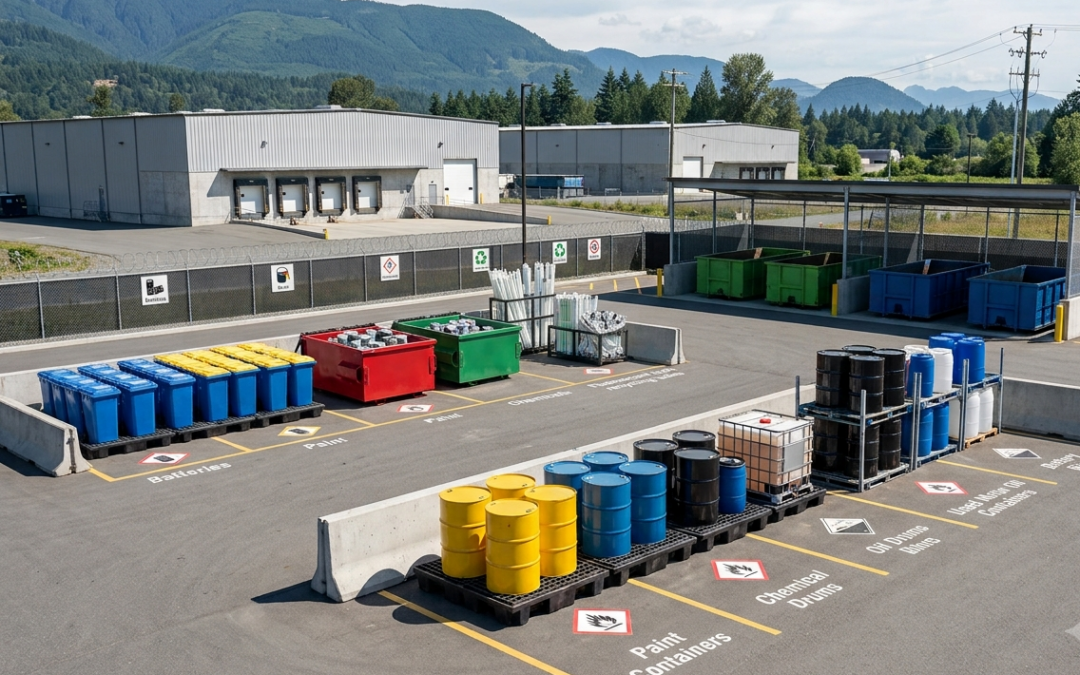
What Can Surrey Residents Bring to a Hazardous Waste Drop-Off Depot?
Although acceptance guidelines may vary by facility, most approved depots accept a wide range of common household hazardous materials.
Paints and Paint Products
- Latex paint
- Oil-based paint
- Paint stains
- Paint thinners
- Paint removers
Properly sealed original containers make processing safer and more efficient.
Automotive Fluids
Residents can typically bring:
- Motor oil
- Brake fluid
- Transmission fluid
- Antifreeze
- Power steering fluid
Never mix different automotive fluids into one container before disposal.
Household Chemicals
Many cleaning and maintenance products qualify as hazardous waste, including:
- Bleach
- Drain cleaners
- Oven cleaners
- Pool chemicals
- Pesticides
- Herbicides
- Fertilizers
These products should remain in their original labeled containers whenever possible.
Batteries
Most depots accept several battery types, including:
- Household alkaline batteries
- Rechargeable batteries
- Lithium-ion batteries
- Vehicle batteries
Damaged lithium batteries may require additional safety precautions before transport.
Aerosol Cans
Used aerosol products such as:
- Spray paint
- Lubricants
- Cleaning sprays
- Air fresheners
should be handled through approved hazardous waste programs rather than regular garbage collection.
Fluorescent Bulbs and Tubes
Fluorescent lighting products may contain mercury, making proper disposal essential.
Accepted items often include:
- CFL bulbs
- Fluorescent tubes
- Compact fluorescent lamps
Small Electronic Components
Some facilities also accept electronic items containing hazardous materials, such as:
- Small electronics
- Power supplies
- Certain rechargeable devices
Acceptance varies depending on the depot.
Items That May Not Be Accepted
Residents should not assume every hazardous material can be dropped off.
Some materials often require specialized handling, including:
- Explosives
- Radioactive materials
- Biohazardous waste
- Large industrial chemical quantities
- Unidentified chemicals
- Commercial hazardous waste without prior approval
Checking acceptance requirements before visiting helps avoid unnecessary trips.
How to Prepare Hazardous Waste Before Visiting
Proper preparation improves safety for both residents and depot staff.
Before visiting:
- Keep materials in their original containers whenever possible.
- Clearly label any replacement containers.
- Never mix different chemicals.
- Tighten lids securely to prevent leaks.
- Transport containers upright.
- Separate incompatible materials during transport.
These simple steps reduce spill risks and speed up the drop-off process.
Why Proper Hazardous Waste Disposal Matters
Using an approved Hazardous Waste Drop Off Depot offers several important benefits.
- Protects local waterways and ecosystems.
- Reduces landfill contamination.
- Supports responsible recycling where possible.
- Protects waste collection workers.
- Prevents hazardous chemicals from entering the environment.
- Encourages safer community waste management practices.
Responsible disposal also helps valuable materials be recovered and recycled whenever possible.
When Should Residents Choose Professional Collection Instead?
Drop-off depots work well for household quantities of hazardous waste. However, larger volumes generated during renovations, property cleanouts, or commercial activities may require professional collection services.
Businesses, contractors, and property managers often benefit from scheduled Hazardous Waste Disposal Surrey services that provide safe collection, transportation, and environmentally responsible disposal.
Protect Surrey Through Responsible Hazardous Waste Disposal
Every properly disposed container helps reduce environmental risks and keeps hazardous materials out of regular waste streams. Whether you’re disposing of old paint, automotive fluids, batteries, or household chemicals, choosing the correct disposal method protects both your community and the environment.
If you need reliable hazardous waste solutions in Surrey, Canadian Empire Recycling & Disposal provides dependable collection and disposal services for residential and commercial customers. Contact Canadian Empire Recycling & Disposal today to learn more about safe, efficient, and environmentally responsible hazardous waste management.
Frequently Asked Questions
Can I throw hazardous waste into my regular garbage bin?
No. Hazardous materials should never be placed in household garbage because they can create environmental and safety risks.
How should I transport hazardous waste to a drop-off depot?
Keep materials in sealed containers, transport them upright, avoid mixing chemicals, and leave products in their original containers whenever possible.
Are lithium-ion batteries accepted at hazardous waste depots?
Many depots accept lithium-ion batteries, but damaged batteries may require special handling before transport.
When should I use a professional Hazardous Waste Disposal Surrey service instead of a drop-off depot?
Professional collection is the better choice when you have large quantities of hazardous waste, renovation debris, or commercial hazardous materials that cannot be handled through a standard drop-off depot.