Purchasing an older home can be exciting—you get charm, character, and often a better location. But along with vintage appeal comes hidden risks, and one of the most serious is asbestos. Before you jump into renovations, it’s essential to understand what asbestos is, where it might be hiding, and how to handle it safely. Ignoring it can pose significant health risks and lead to costly mistakes.
What Is Asbestos and Why Was It Used?
Asbestos is a naturally occurring mineral once widely used in construction due to its strength, fire resistance, and insulation properties. From the 1940s to the late 1980s, it was commonly found in residential homes across Canada.
Builders used asbestos in materials like:
- Insulation (especially around pipes and attics)
- Vinyl floor tiles and adhesives
- Roofing shingles and siding
- Drywall joint compounds
- Popcorn ceilings
The problem? When disturbed, asbestos releases tiny fibers into the air that can be inhaled, leading to serious diseases like lung cancer, asbestosis, and mesothelioma.
Where Asbestos Might Be Hiding in Your Home
If your home was built before 1990, there’s a good chance it contains asbestos in some form. Common areas to check include:
- Basements (pipe insulation, boiler wraps)
- Attics (loose-fill insulation)
- Bathrooms and kitchens (floor tiles, backing materials)
- Ceilings (textured or popcorn finishes)
- Exterior siding and roofing
However, asbestos isn’t always visible. It often hides within materials that look completely normal, which is why professional testing is critical before any demolition or renovation work.
Why Renovation Can Be Dangerous
Renovation activities like drilling, cutting, sanding, or demolishing can disturb asbestos-containing materials. Once fibers are released into the air, they can remain suspended for hours and spread throughout the house.
Even small DIY projects can become hazardous if asbestos is present. That’s why homeowners should never assume a material is safe without proper inspection.
Get a Professional Asbestos Inspection
Before starting renovations, hire a certified asbestos inspector. They will:
- Take samples from suspect materials
- Send them to a lab for testing
- Provide a detailed report on asbestos presence
This step is non-negotiable. It ensures you know exactly what you’re dealing with and helps you plan safe removal if necessary.
Safe Removal and Legal Requirements
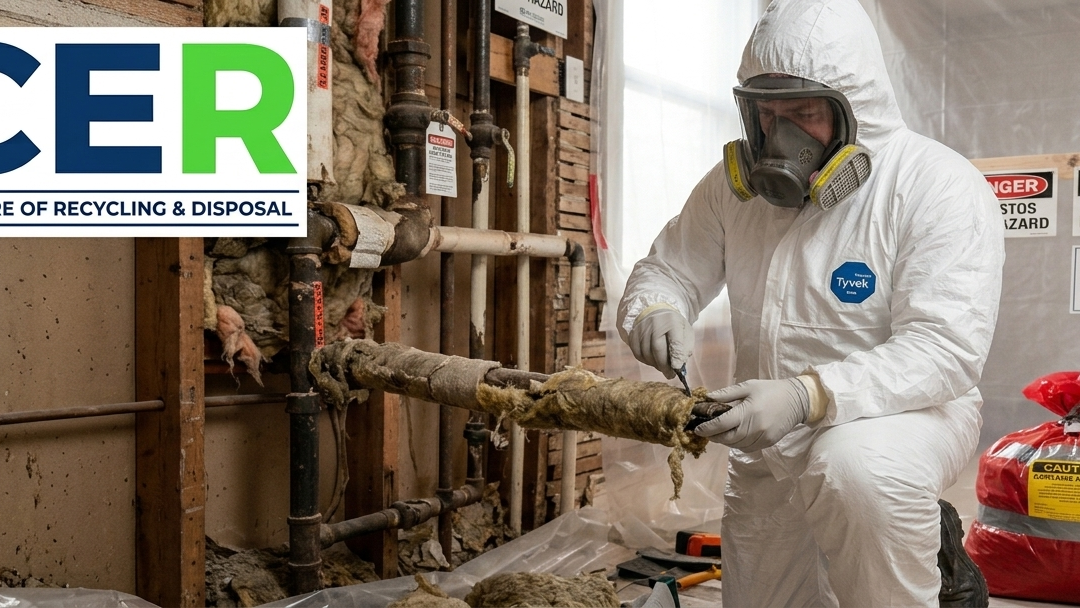
Asbestos removal is not a typical DIY project. It requires specialized equipment, protective gear, and strict safety protocols. In most cases, licensed abatement professionals should handle the job.
Depending on the scope, regulations may require:
- Containment of the affected area
- Air quality monitoring
- Proper labeling and packaging of waste
- Approved disposal methods
If you’re dealing with materials that need Asbestos Waste Disposal Surrey, it’s important to follow local guidelines to prevent contamination and protect public health.
Proper Disposal Matters
You can’t just throw asbestos into regular garbage bins. It must be sealed in approved containers and transported to designated facilities.
Many homeowners look for asbestos bag drop-off Surrey to ensure materials are handled correctly. Using certified disposal options reduces environmental impact and keeps communities safe.
Understanding Hazardous Waste Handling
Asbestos falls under hazardous waste, meaning it requires special treatment during disposal. Whether you’re a homeowner or contractor, following proper procedures is essential.
Facilities offering Hazardous Waste Disposal Surrey are equipped to manage asbestos safely. These locations ensure the material is processed and contained according to environmental regulations.
In some cases, you may need to visit a Hazardous Waste Drop-off Depot Surrey to dispose of smaller amounts of asbestos waste legally and responsibly.
Costs to Expect
Asbestos removal and disposal can be costly, but it’s an investment in safety. Costs depend on:
- Size of the affected area
- Type of asbestos material
- Accessibility
- Required containment measures
While it may be tempting to cut corners, improper handling can lead to higher expenses down the road, including fines, health risks, and property damage.
Tips for Homeowners
If you’ve recently purchased an older home, keep these tips in mind:
- Never disturb unknown materials
- Avoid DIY removal
- Schedule an inspection before renovations
- Budget for possible asbestos abatement
- Work with certified professionals only
Being proactive can save you time, money, and serious health concerns.
Work With Trusted Professionals
When it comes to asbestos, experience matters. Professional disposal and recycling services ensure compliance with regulations and safe handling from start to finish.
For homeowners needing reliable support, Canadian Empire Recycling & Disposal offers expert solutions for safe asbestos handling and disposal. Their team understands the complexities of hazardous materials and provides efficient, compliant services.
If you’re planning a renovation or have already discovered asbestos, contact Canadian Empire Recycling & Disposal can help you manage the process safely and responsibly.
Beyond asbestos, homeowners often uncover paints, solvents, and other old chemicals during a renovation. See our Residential Hazardous Waste Disposal Surrey guide for safe household disposal options.
Frequently Asked Questions (FAQs)
Can I remove asbestos myself?
It’s strongly discouraged. Asbestos removal requires specialized training and equipment to prevent exposure.
Is asbestos dangerous if left undisturbed?
Generally, asbestos is less risky if intact and undisturbed. However, renovations can easily release harmful fibers.
How should asbestos waste be packaged?
It must be sealed in approved, labeled bags designed specifically for hazardous materials.
Where can I dispose of asbestos safely?
You should use licensed facilities or approved hazardous waste depots that follow strict environmental and safety regulations.