Take a look inside your junk drawer: old mobile phones, tangled chargers, worn-out batteries, broken headphones, and outdated gadgets. While these items may seem harmless, they actually fall under a category known as electronic waste, or e-waste. What many people don’t realize is that e-waste contains hidden toxins that can pose serious risks to human health and the environment if not handled properly.
As technology evolves rapidly, the amount of discarded electronics continues to grow. Understanding why e-waste is considered hazardous waste is the first step toward responsible disposal and a healthier planet.
What Is E-Waste?
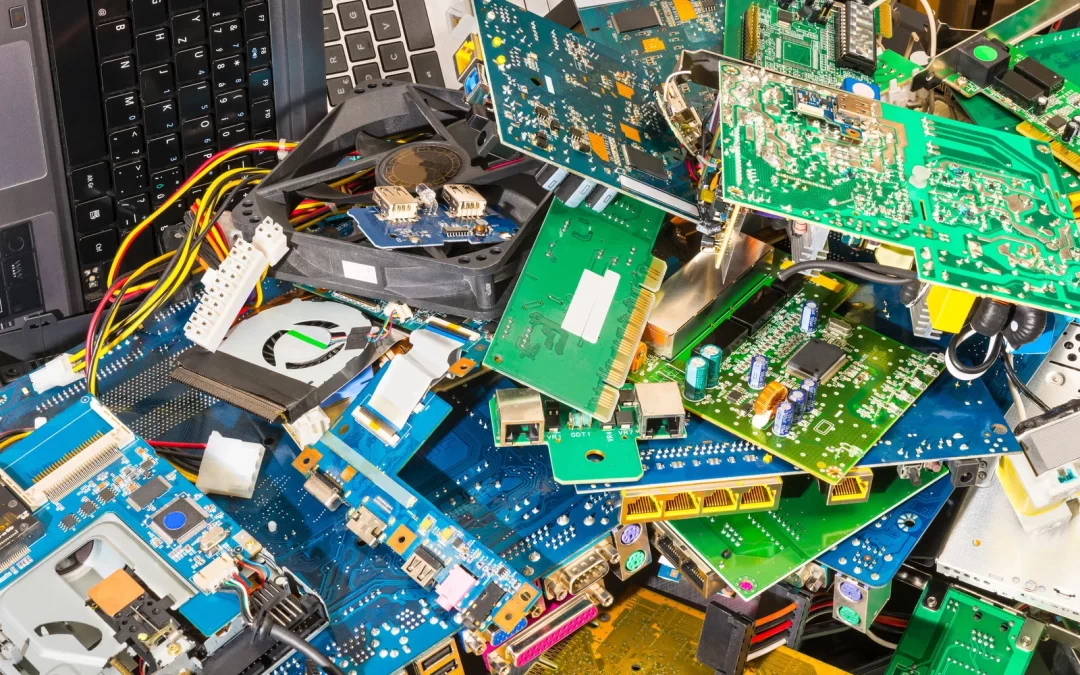
E-waste refers to discarded electronic devices such as smartphones, laptops, televisions, printers, and other digital equipment. These items often contain complex components made from metals, plastics, and chemicals. While some of these materials are valuable and recyclable, others are highly toxic.
When electronics are thrown away in regular trash bins, they often end up in landfills where their hazardous components can leak into the soil and groundwater.
The Toxic Ingredients Inside Your Devices
Many everyday electronics contain dangerous substances that can harm both people and ecosystems. Here are some of the most common toxins found in e-waste:
1. Lead
Lead is commonly found in old TVs, monitors, and circuit boards. Exposure to lead can cause neurological damage, especially in children.
2. Mercury
Used in screens and lighting components, mercury is highly toxic and can contaminate water sources, affecting both humans and wildlife.
3. Cadmium
This toxic metal is found in batteries and semiconductors. It can accumulate in the body and cause kidney damage and bone weakness.
4. Brominated Flame Retardants (BFRs)
These chemicals are used to prevent fires in electronics but can disrupt hormones and lead to long-term health issues.
5. Lithium
Common in rechargeable batteries, lithium can cause fires or explosions if damaged or improperly disposed of.
Why E-Waste Is Considered Hazardous Waste
E-waste is classified as hazardous waste because of the harmful substances it contains. When improperly handled, these materials can:
- Leach toxic chemicals into soil and groundwater
- Release harmful fumes when burned
- Contaminate air and water supplies
- Pose risks to waste workers and communities
Improper disposal not only damages the environment but also contributes to long-term public health concerns.
Environmental Impact of Improper E-Waste Disposal
When electronics are dumped in landfills or incinerated, their toxic components don’t simply disappear. Instead, they create lasting environmental damage:
- Soil contamination: Heavy metals seep into the ground, affecting plant growth and food safety
- Water pollution: Toxins enter water systems, harming aquatic life
- Air pollution: Burning e-waste releases toxic gases into the atmosphere
- Wildlife harm: Animals can ingest or be exposed to hazardous materials
The ripple effects of improper disposal can last for decades.
The Importance of Responsible Recycling
Recycling e-waste is not just about reducing clutter—it’s about protecting the environment and conserving valuable resources. Proper recycling ensures that:
- Toxic materials are safely handled and contained
- Valuable metals like gold, silver, and copper are recovered
- Less waste ends up in landfills
- Energy is saved by reusing materials
Using professional services for electronics disposal Surrey ensures that your old devices are processed safely and in compliance with environmental regulations.
Safe Ways to Dispose of E-Waste
Here are some practical steps you can take to manage your electronic waste responsibly:
1. Don’t Throw Electronics in Regular Trash
Always separate e-waste from your household garbage.
2. Use Certified Recycling Services
Look for facilities that specialize in hazardous waste disposal Surrey to ensure safe handling.
3. Remove Personal Data
Before disposing of devices, wipe all personal information to protect your privacy.
4. Donate or Reuse
If your device still works, consider donating it to someone in need or repurposing it.
5. Store Batteries Safely
Keep used batteries in a safe place until you can dispose of them properly.
The Role of Professional Disposal Services
Handling e-waste on your own can be risky. Professional recycling and disposal companies have the tools and expertise to:
- Safely dismantle electronics
- Separate hazardous and recyclable materials
- Follow environmental laws and safety standards
- Reduce environmental impact
These services make it easy for individuals and businesses to dispose of e-waste responsibly without the guesswork.
Small Actions, Big Impact
It might seem insignificant to properly dispose of a single phone or battery, but collectively, these actions make a huge difference. By choosing responsible disposal methods, you:
- Reduce pollution
- Protect natural resources
- Support sustainable practices
- Contribute to a cleaner, safer environment
Every small step counts toward a healthier future.
Your junk drawer may look harmless, but it could be hiding a collection of toxic materials that pose real risks to the environment and your health. E-waste is more than just clutter; it’s hazardous waste that requires careful handling and disposal.
If you’re looking for a reliable solution, contact Canadian Empire Recycling & Disposal for offers professional services to safely manage your electronic waste. Their expert team ensures that hazardous materials are handled responsibly, helping you declutter while protecting the environment. Make the smart choice today and turn your hidden junk into a positive impact for the planet.
Frequently Asked Questions
Why is e-waste dangerous?
It contains toxic materials like lead and mercury that can harm human health and the environment.
Can I throw electronics in the regular trash?
No, electronics should never be disposed of in regular trash due to their hazardous components.
How can I safely dispose of old electronics?
Canadian Empire Recycling & Disposal offers certified recycling or disposal services that specialize in hazardous waste.
Is recycling e-waste really important?
Yes, it prevents environmental pollution, conserves resources, and ensures safe handling of toxic materials.