
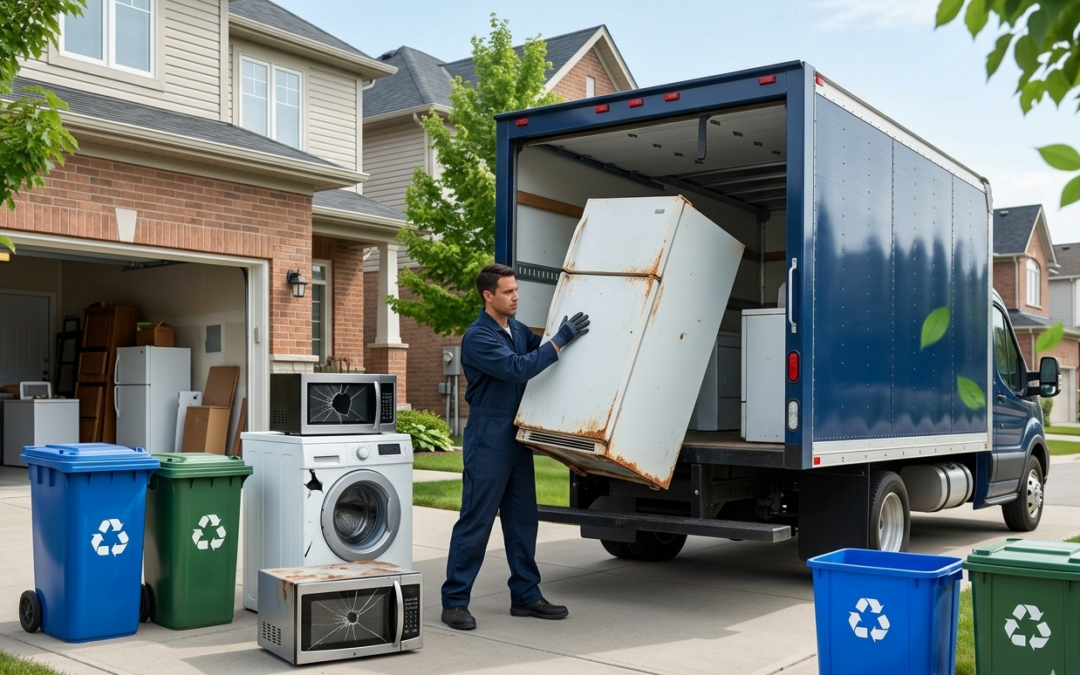
When a household appliance breaks down, it can disrupt your daily routine and leave you wondering what to do next. Whether it’s a malfunctioning refrigerator, a noisy washing machine, or a dead microwave, deciding between repairing, recycling, or removing the appliance can be confusing. Each option has its own benefits depending on the condition of the appliance, cost considerations, and environmental impact.
1. Evaluate the Condition of the Appliance
Before jumping to any decision, assess the condition of your appliance. Ask yourself:
- Is the appliance relatively new or very old?
- Is the issue minor or major?
- Has it required frequent repairs in the past?
If your appliance is less than 5–7 years old and the problem is small (like a faulty switch or clogged filter), repair is usually the best option. However, if it’s older and constantly breaking down, replacement might be more cost-effective.
2. When Repairing Makes Sense
Repairing your appliance is often the most economical choice—especially for high-end or newer models. Common appliances that are worth repairing include:
- Refrigerators
- Washing machines
- Dishwashers
- Ovens
Benefits of Repair:
- Lower cost compared to buying new
- Reduces waste and environmental impact
- Quick turnaround for minor issues
However, keep the “50% rule” in mind: if the repair cost exceeds 50% of the price of a new appliance, replacement is usually the smarter choice.
3. When Recycling is the Better Option
If your appliance is beyond repair, recycling is the most eco-friendly solution. Appliances contain materials like metal, plastic, and glass that can be reused, but they may also include hazardous components that need proper handling.
Many homeowners search for Appliances Disposal Vancouver solutions when they want to dispose of old units responsibly. Recycling ensures that harmful substances like refrigerants and heavy metals don’t end up in landfills.
Benefits of Recycling:
- Protects the environment
- Conserves natural resources
- Prevents hazardous waste pollution
Before recycling, make sure to:
- Remove personal data (for smart appliances)
- Check local recycling regulations
- Use certified recycling facilities
4. When It’s Time to Remove the Appliance
Sometimes, the best option is simply to remove the appliance—especially if it’s completely non-functional, outdated, or taking up space.
Hiring professionals for removal is often the easiest and safest way to handle large or heavy appliances. Many homeowners rely on junk removal services Vancouver to get rid of bulky items quickly and efficiently.
Benefits of Professional Removal:
- Safe handling of heavy equipment
- Saves time and effort
- Ensures proper disposal or recycling
Professional teams can also determine whether parts of your appliance can still be reused or recycled, adding an extra layer of environmental responsibility.
5. Environmental Impact: Why Your Choice Matters
Improper disposal of appliances can harm the environment. Many appliances contain:
- Refrigerants that contribute to ozone depletion
- Heavy metals like mercury and lead
- Non-biodegradable plastics
By choosing to repair, recycle, or use responsible removal services, you help reduce landfill waste and minimize environmental damage.
6. Cost Comparison: Repair vs Replace
When deciding between repair and replacement, follow the 50% rule—if the repair cost is less than half the price of a new appliance, repair is usually worth it.
For newer appliances with minor issues, repairing can extend their life at a low cost. However, if the appliance is old or repairs are expensive and frequent, replacing it is the smarter long-term choice.
Also consider energy efficiency—new appliances often use less electricity, helping you save on bills over time.
7. Tips for Extending Appliance Life
Before your appliances break down completely, follow these maintenance tips:
- Clean filters and vents regularly
- Avoid overloading machines
- Schedule routine servicing
- Use appliances according to manufacturer guidelines
Proper maintenance can significantly extend the lifespan of your appliances and delay the need for disposal.
8. Why Professional Help is Worth It
Handling broken appliances on your own can be risky due to weight, electrical components, and hazardous materials. Professional services ensure:
- Safe removal
- Compliance with local regulations
- Eco-friendly disposal
They also save you the hassle of transportation and heavy lifting.
Deciding what to do with a broken appliance doesn’t have to be difficult. Start by evaluating its condition, consider repair if it’s cost-effective, recycle if it’s beyond fixing, and opt for removal if it’s no longer usable.
If you’re looking for a reliable solution, Canadian Empire Recycling & Disposal offers professional, eco-friendly services to handle your broken appliances efficiently. Contact Canadian Empire Recycling & Disposal for safe removal, responsible recycling, and hassle-free service—making them a trusted choice for homeowners.
FAQs (Frequently Asked Questions)
Can all appliances be recycled?
Most appliances can be recycled, but they must be handled by certified facilities due to hazardous materials.
Is it safe to remove appliances myself?
It can be risky due to weight and electrical components. Professional removal is safer and more convenient.
What happens to appliances after recycling?
They are dismantled, and materials like metal and plastic are reused, while hazardous parts are disposed of safely.
How quickly can junk removal services pick up appliances?
Many services offer same-day or next-day pickup, depending on availability.