
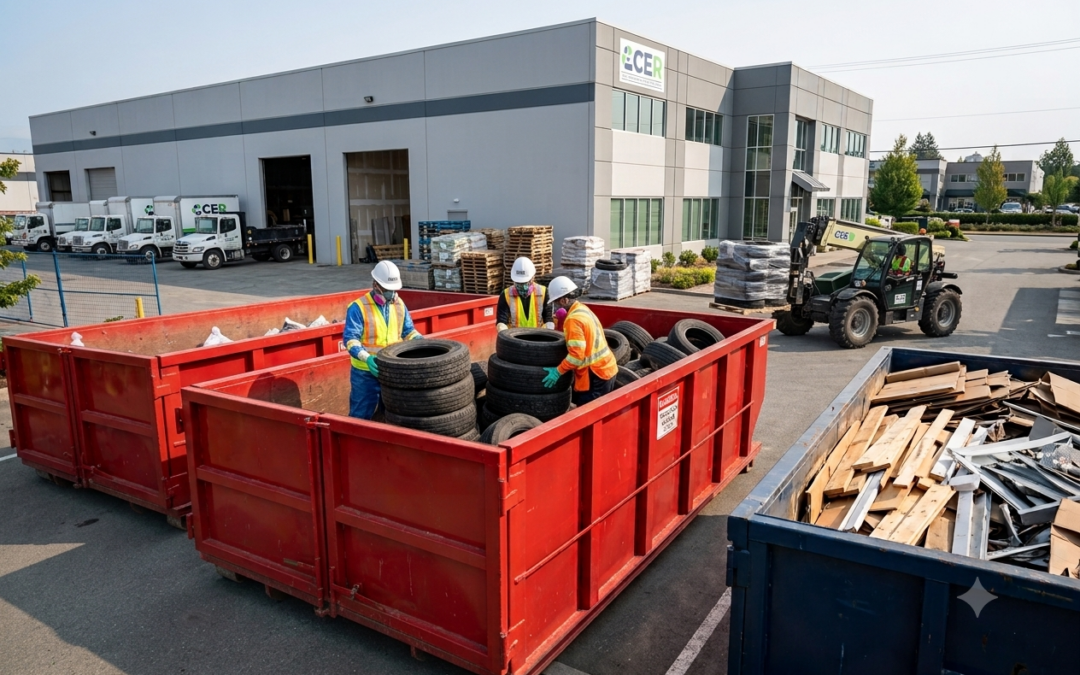
For many businesses, used tires are often pushed to the corner of a warehouse, stacked behind a service bay, or left in an outdoor storage area until there’s enough volume to schedule a pickup. While this may seem like a practical way to manage waste, delaying tire recycling can create unexpected costs that affect operations, workplace safety, and environmental compliance.
Businesses across Vancouver—including auto repair shops, dealerships, trucking companies, fleet operators, warehouses, industrial facilities, and property managers—generate large volumes of end-of-life tires every year. Without a structured recycling plan, these tires can quickly become a liability rather than just another type of waste.
Professional Tires Recycling services help businesses clear valuable space, reduce operational risks, and manage bulk tire waste responsibly before it begins affecting day-to-day operations.
Why Old Tires Cost More Than Most Businesses Realize
Unlike general commercial waste, tires require dedicated handling and recycling processes. The longer they remain on-site, the greater the indirect costs become.
Many businesses fail to account for expenses such as:
- Lost storage space
- Increased housekeeping requirements
- Additional labour to move and reorganize tire piles
- Workplace safety concerns
- Delayed inspections
- Fire prevention measures
- Pest and water accumulation around outdoor tire storage
These hidden expenses often exceed the cost of scheduling professional recycling before tire inventories become unmanageable.
Storage Problems Can Slow Business Operations
Commercial properties operate most efficiently when storage areas remain organized. Accumulated tire waste can reduce productivity by occupying loading zones, maintenance areas, equipment storage rooms, or warehouse space that could otherwise support daily operations.
Fleet maintenance facilities and automotive businesses are particularly affected because technicians require clear access to vehicles, equipment, and replacement inventory.
As tire stockpiles continue growing, businesses often spend additional time relocating materials instead of focusing on revenue-generating work.
Fire Risk Is a Serious Commercial Concern
Large quantities of discarded tires increase fire risk, especially during warmer months or when stored near combustible materials.
Once tire fires begin, they are extremely difficult to extinguish and may result in:
- Property damage
- Business interruption
- Environmental contamination
- Expensive cleanup costs
- Insurance complications
For commercial property owners, proactive waste management is far less costly than responding to an emergency after months of unnecessary tire storage.
Commercial Waste Management Should Include Recycling
Businesses are increasingly expected to reduce landfill waste while improving sustainability practices. Creating a structured recycling strategy allows companies to manage materials more efficiently without disrupting normal operations.
Professional commercial waste services help businesses separate recyclable materials from general commercial waste, improving overall waste management while supporting environmental objectives.
For companies managing multiple waste streams, integrating tire recycling into an existing recycling program creates a more organized and cost-effective approach to waste management.
Compliance Matters More Than Ever
Commercial businesses are responsible for managing waste in ways that protect workers, customers, and the surrounding environment. While used tires are different from many regulated hazardous materials, poor waste management practices can still create environmental concerns, safety hazards, and unnecessary compliance issues.
Businesses that already generate regulated materials often benefit from combining their recycling strategy with broader Hazardous Waste Disposal planning. Coordinating waste streams through a structured management plan helps simplify operations, reduce administrative challenges, and support safer worksites.
Instead of treating each waste type separately, many commercial facilities adopt an integrated waste management approach that improves efficiency across the entire property.
Tire Recycling Supports Business Sustainability Goals
Many organizations now include sustainability targets as part of their operational strategy. Recycling end-of-life tires helps businesses reduce landfill contributions while demonstrating responsible environmental practices to customers, employees, and stakeholders.
Whether operating a transportation company, automotive service centre, industrial facility, or commercial property, responsible tire recycling supports long-term environmental initiatives without affecting day-to-day productivity.
Which Vancouver Businesses Benefit Most from Commercial Tire Recycling?
Commercial tire recycling is valuable for any business that regularly replaces, stores, or manages multiple vehicles. Instead of allowing used tires to accumulate, businesses can improve operational efficiency by scheduling routine collections.
Industries that commonly benefit include:
- Fleet management companies
- Trucking and logistics businesses
- Auto repair shops
- Tire retailers
- Car dealerships
- Equipment rental companies
- Construction contractors
- Municipal service providers
- Property management companies
- Warehouses and industrial facilities
For these businesses, proactive tire recycling is not only a housekeeping task—it is part of maintaining a safer and more productive workplace.
Common Mistakes Businesses Make with Tire Waste
Many companies don’t intentionally ignore tire recycling; instead, they underestimate how quickly waste can become a business problem.
Waiting Until Storage Areas Are Full
Businesses often delay collection until tires occupy valuable workspace. This can interfere with daily operations and make waste removal more difficult.
Treating Tires Like General Waste
Used tires require dedicated recycling processes. Mixing them with other commercial debris can complicate waste handling and reduce recycling efficiency.
Ignoring Seasonal Demand
Fleet operators and automotive businesses often generate higher tire volumes during seasonal tire changeovers. Scheduling recycling in advance helps avoid unnecessary storage issues.
Choosing Short-Term Convenience
Keeping old tires on-site may seem easier in the short term, but over time it increases labour, storage, and housekeeping costs.
How Routine Tire Recycling Helps Control Business Costs
A scheduled recycling program provides more than just a cleaner property.
Businesses often benefit through:
- Better warehouse organization
- Improved employee safety
- Reduced storage congestion
- More efficient fleet operations
- Lower housekeeping requirements
- Better use of valuable commercial space
- Stronger environmental performance
Rather than waiting for waste to become unmanageable, routine recycling creates predictable workflows and supports long-term operational efficiency.
Choosing the Right Commercial Recycling Partner
Not every waste management provider understands the needs of commercial operations. Businesses should work with a recycling partner that can support recurring collections, bulk tire volumes, and flexible scheduling.
A reliable recycling partner should offer:
- Timely pickups
- Commercial-scale recycling solutions
- Support for multiple business locations
- Flexible scheduling
- Professional customer service
- Environmentally responsible recycling practices
The right partner helps businesses focus on daily operations while ensuring waste is managed efficiently.
Delaying tire recycling may appear to save time, but it often creates hidden costs that impact productivity, storage capacity, workplace safety, and long-term business efficiency. As tire inventories grow, so do the operational challenges associated with managing them.
Investing in professional Tire Recycling Vancouver services allows businesses to stay organized, recover valuable workspace, and prevent unnecessary disruptions. When combined with a broader waste management strategy, recycling tires also supports cleaner worksites and more sustainable operations.
Businesses looking to strengthen their environmental initiatives can also benefit from Commercial Waste Recycling Vancouver services, helping divert recyclable materials from landfill while improving overall waste management performance.
For companies that manage multiple waste streams, integrating recycling with responsible Hazardous Waste Disposal Vancouver planning creates a safer, more efficient approach to commercial waste management.
If your business is looking for dependable commercial tire recycling solutions, Canadian Empire Recycling & Disposal provides reliable collection services, responsible recycling practices, and customized waste management solutions for businesses across Vancouver. Contact Canadian Empire Recycling & Disposal today to schedule your commercial tire recycling service and keep your business operating safely, efficiently, and responsibly.
Frequently Asked Questions
Which businesses generate the most commercial tire waste?
Fleet operators, trucking companies, auto repair shops, dealerships, construction companies, equipment rental businesses, and industrial facilities commonly require commercial tire recycling services.
How often should commercial tire recycling be scheduled?
The ideal schedule depends on tire volume. High-volume businesses often benefit from regular pickups instead of waiting until storage areas become overcrowded.
Can commercial tire recycling support sustainability goals?
Yes. Recycling end-of-life tires helps reduce landfill waste, supports resource recovery, and demonstrates responsible environmental practices for commercial businesses.
Why choose a professional commercial tire recycling provider?
A professional provider offers reliable collection, proper handling, flexible scheduling, and recycling solutions designed specifically for commercial operations, helping businesses save time while maintaining a safer workplace.